
When the Big Talk Goes Small: Audio Stumbles We All Know
Ever sat in a city hall room where the budget debate goes quiet because the mics won’t play nice? A wireless conference system is supposed to keep that from happening, yet here we are. In public boards, classrooms, and hotel ballrooms, we lose minutes—sometimes hours—to dropouts and cross-talk while folks tap the mics and whisper, “Can y’all hear me?” Recent field audits suggest that audio issues eat 20–30% of meeting time, and most of those come from the “last mile” between talkers and listeners (go figure).

Down here, we like plain talk: most failures start with assumptions about the room. We expect radio to behave the same every day. It doesn’t. RF interference drifts with building traffic, metal furniture, and even elevator motors. It’s like fog on a back road—fine one minute, thick the next. So the question is simple: what cuts through the mess without adding more knobs to twist? And can we do it without turning your meeting into a science fair? We’ll stack the options side by side—and then peel back the deeper layer that folks often miss—so the next time your board meets, the story stays on the agenda, not the gear. Let’s step into the real comparison.
Infrared vs. Old Habits: The Deeper Problem You Don’t See
Where does IR shine?
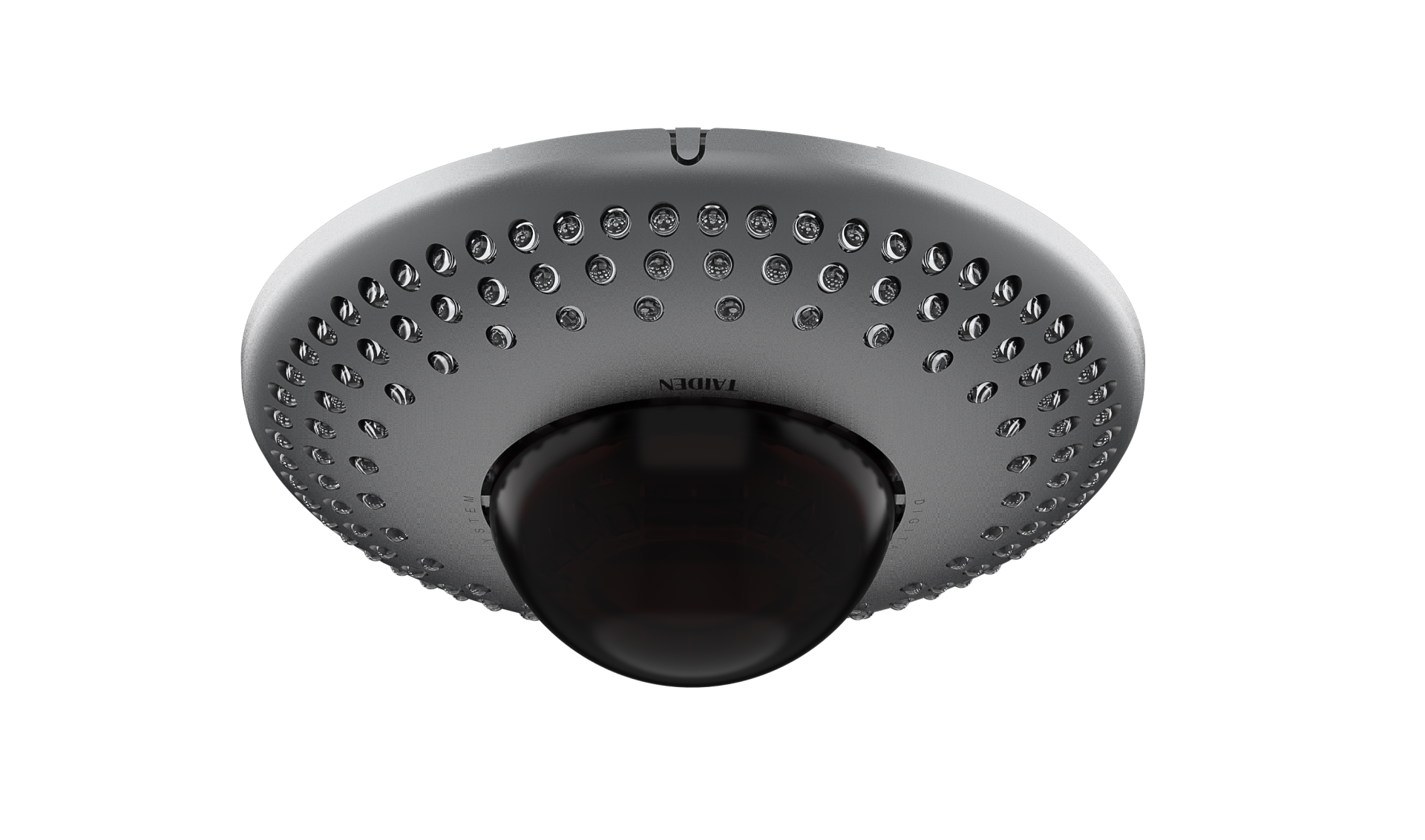
An infrared wireless conference system dodges one of the biggest traps in meeting rooms: invisible RF traffic. Traditional radio mics must share airspace with Wi‑Fi, 5G, and building controls. That loads your audio path with risk. IR flips the script by using light—line-of-sight energy that stays inside the room. So accidental eavesdropping drops, and outside networks stop meddling. Look, it’s simpler than you think: fewer variables in the air, fewer chances for failure. That alone takes pressure off your DSP chain and keeps your latency budget steady.
Now, for the part folks gloss over: the old “more antennas, more power” mindset. With RF, adding boosters and diversity receivers can help, but it also raises noise floors and eats into QoS. IR coverage, by contrast, is about emitter placement and reflection—not brute force. You design for sightlines, treat hot spots, and map how beams bounce off ceilings. Ambient light? Manage it with proper modulation and filters. Battery life? You size the pack and charger dock to match your duty cycle, then keep an eye on the battery management system. The pain points here are real but predictable. With IR, you cleanly separate rooms, tighten security without extra encryption layers, and avoid surprise RF interference—funny how that works, right?
What’s Next: Principles That Future-Proof the Meeting
Real‑world Impact
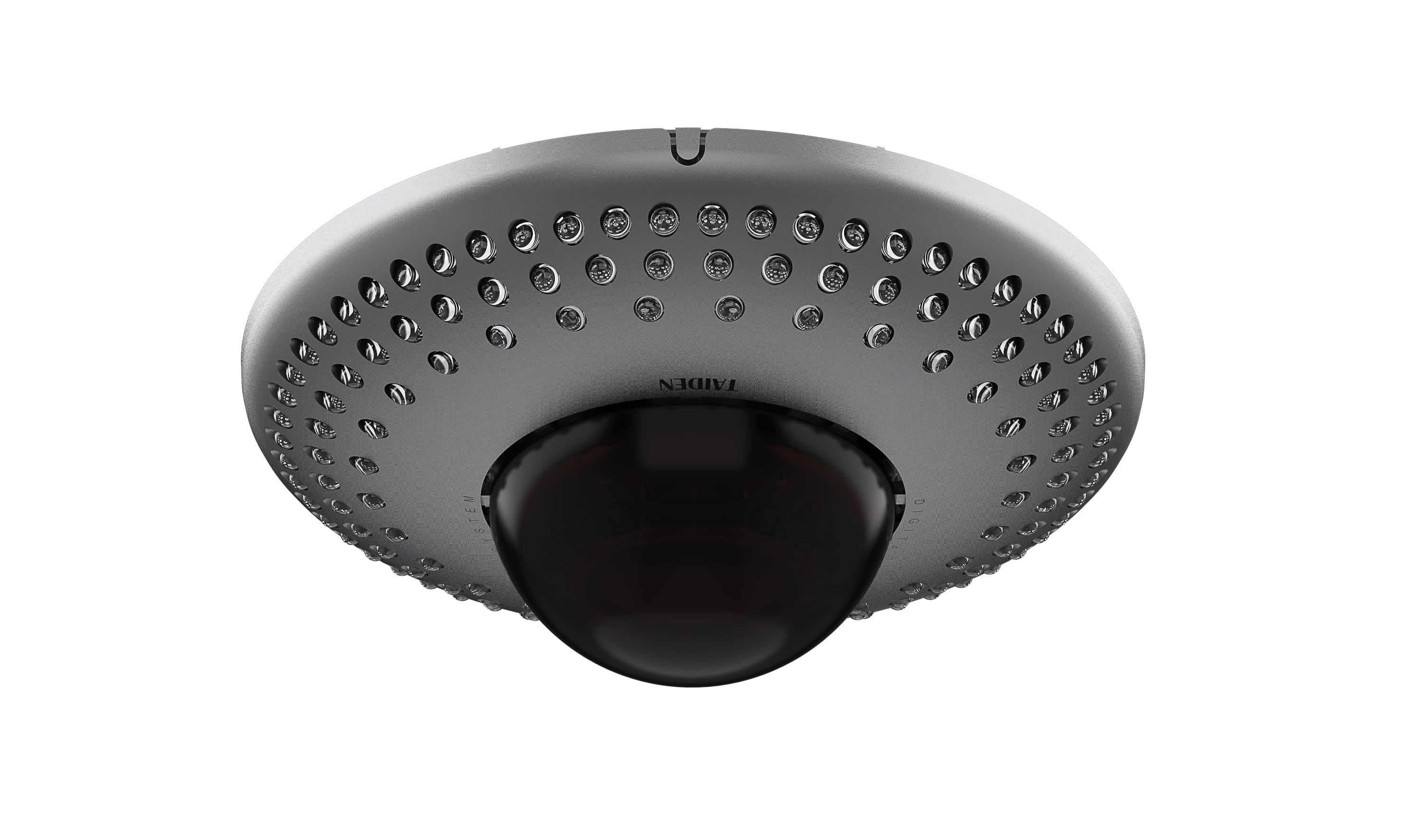
Moving forward, the strongest gains come from new design principles, not just new boxes. First, treat audio like a network that prefers order. IR emitters create bounded “cells,” which simplifies channel allocation and reduces packet loss risk at the codec stage. Second, shift processing closer to the edge. Small DSP blocks at endpoints cut round‑trip delay and stabilize acoustic echo cancellation when rooms get rowdy. Third, think coverage before capacity: line‑of‑sight planning beats adding gear later. In pilots, teams that mapped beam patterns and adjusted gain structure saw fewer dropouts and smoother handoffs when presenters stood or turned. That pairs well with modern wireless meeting equipment that integrates charging telemetry, so you can forecast runtime instead of guessing at the last minute—nobody likes the red battery scare.
So how do you choose with confidence without turning into a broadcast engineer? Keep it semi-simple and comparative. We learned IR sidelines messy RF interference, tames room-to-room bleed, and lowers the chance of eavesdropping. Next, verify how the system manages latency end‑to‑end under load, not just on paper. Finally, watch lifecycle details: dock ergonomics, firmware cadence, and how diagnostics expose jitter or thermal throttling. To make it concrete, use three checks: 1) measurable room containment under bright lighting; 2) consistent sub‑50 ms talk‑to‑listen latency with AEC engaged; 3) clear battery analytics that match your meeting schedule. Do that, and you’ll buy fewer band‑aids later—and more peace of mind now. If you want a known reference point in this space, see TAIDEN.