
Introduction: A Small Show, A Big Puzzle
A school gym goes dark, the band starts, and colors jump across the ceiling like quick fish. Stage Laser Lights fill the room with lines and dots that look alive. Last month, a survey of local venues said 3 in 5 tech leads wanted programmable stage lights but felt unsure about setup and safety—yes, even the pros. So here’s a simple question: if the lights are “smart,” why do many shows still look the same? (And why do tiny glitches feel so big?) We see bright beams, but we miss the hidden rules: signal flow, scan speed, and heat. Kids cheer. Parents film. The operator sweats—funny how that works, right?

The scene is cute, but the challenge is real. There’s a gap between what lights can do and what crews can use on a tight clock. Today, we compare that gap and how to cross it. Onward to the nuts and bolts.
Part 2: The Hidden Pain Points Behind “Easy” Control
Why do “easy” lights feel so hard?
Let’s be technical for a moment. Many shows rely on presets over DMX512, but real-time edits still stall because effects and timing live in separate places. With programmable stage lights, you expect fast changes, yet cue stacks can lock you into rigid scenes. Operators often fight two quiet enemies: timing drift and menu depth. Galvanometer scanners respond fast, but if power converters throttle under load, your waveforms flatten when you push brightness. The result looks “fine” on paper and dull on stage. Look, it’s simpler than you think: frustration isn’t talent; it’s pipeline friction.
There’s also human load. When a UI buries safety limits, people skip checks. When the fixture splits color, beam, and movement into many pages, you lose rhythm. Small crews can’t chase every knob. So they play it safe, repeat a few macros, and call it a night. That’s not laziness—it’s the cost of chasing three things at once: sync, safety interlocks, and audience sightlines. The classic solution works, but it slows you down when cues change mid-song. And that’s when the magic should happen.
Part 3: Comparative Insight—New Principles That Change the Game
What’s Next
Now let’s compare old stacks to new ideas. Older rigs push commands from the desk, one lane wide. Newer engines move some logic closer to the light, like tiny edge computing nodes at the fixture. That means effects can react to tempo or sensor data without waiting on the console round trip. Pair this with smarter scan-rate management and you get smoother shapes at higher brightness—without cooking the diodes. When you choose laser lights for stage that support local safety rules plus networked cues, you cut delay and reduce operator stress—exactly when the crowd leans in.
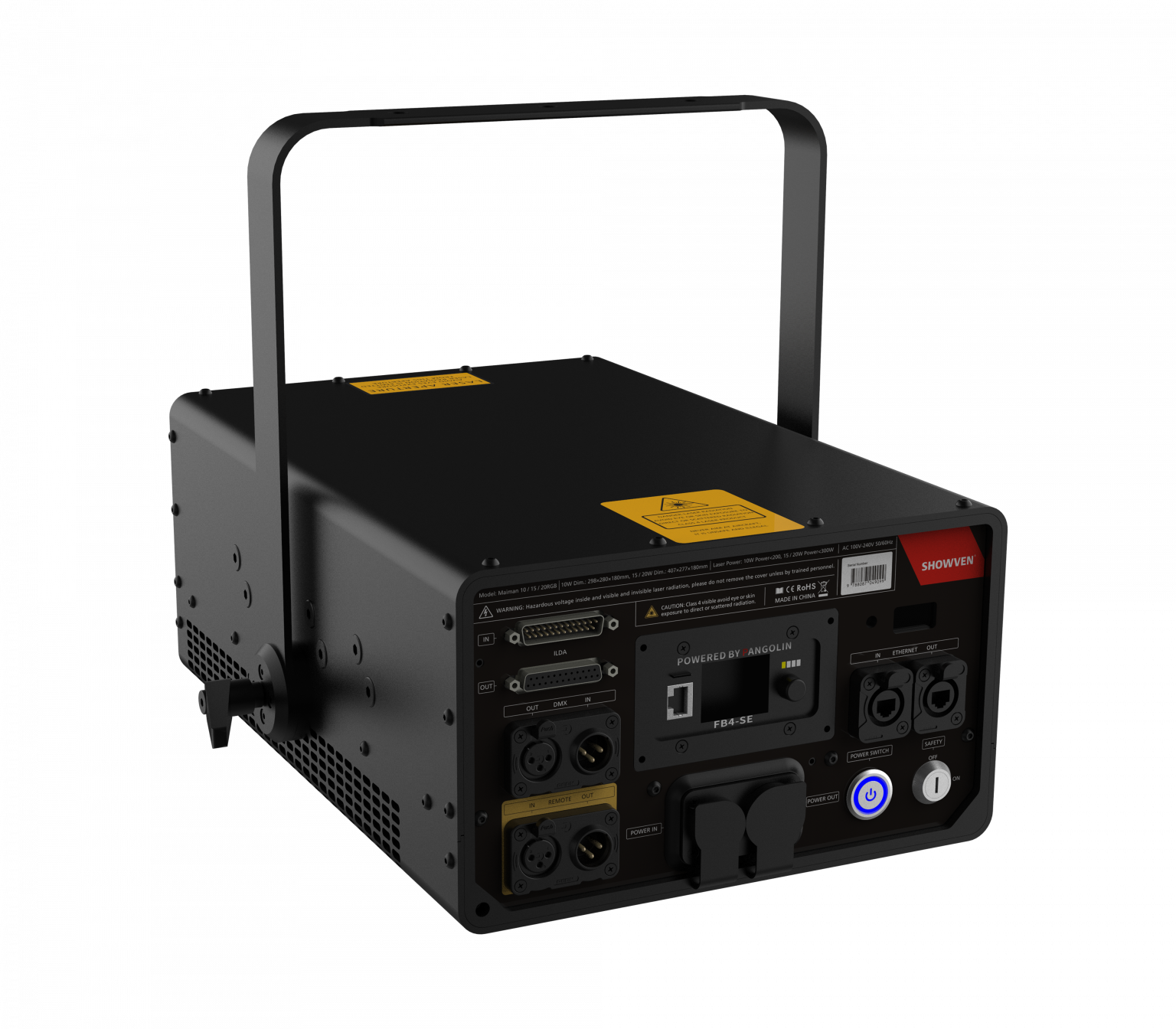
The forward look is clear: integrated timing, visible safety states, and reusable motion libraries that map to any room size. Less menu surfing, more show. You get flexible beam divergence for small halls, and stable frames that don’t tear when BPM spikes. Summing up our earlier lesson, the problem wasn’t “not enough features.” It was the distance between features and fingers—funny twist, right? To choose well, use three simple checks. First, latency: test cue-to-beam delay at your real tempo, not in a quiet lab. Second, safety clarity: confirm hardwired interlocks and visible watchdog alerts, not just a manual note. Third, resilience: verify power headroom and thermal behavior at peak scenes, not idle. If a system meets those, it will likely meet you where you work. For steady guidance without the fluff, see Showven Laser.