
Introduction — a quick scene, some numbers, and a question
I was on a plant tour last month, watching bags of powder move down the line — operators checking sieves, forklifts beeping, very human stuff. JSJ Silica was mentioned by the site manager as the supplier that helped cut rejects by 12% last quarter, so that got me thinking. The scenario is simple: you buy a powder that should behave predictably, yet process yields wobble, dust clouds form, and quality checks fail. We see numbers — particle-size reports, bulk density shifts, occasional spikes in moisture — and then we ask: why does this seemingly small ingredient make such big headaches?
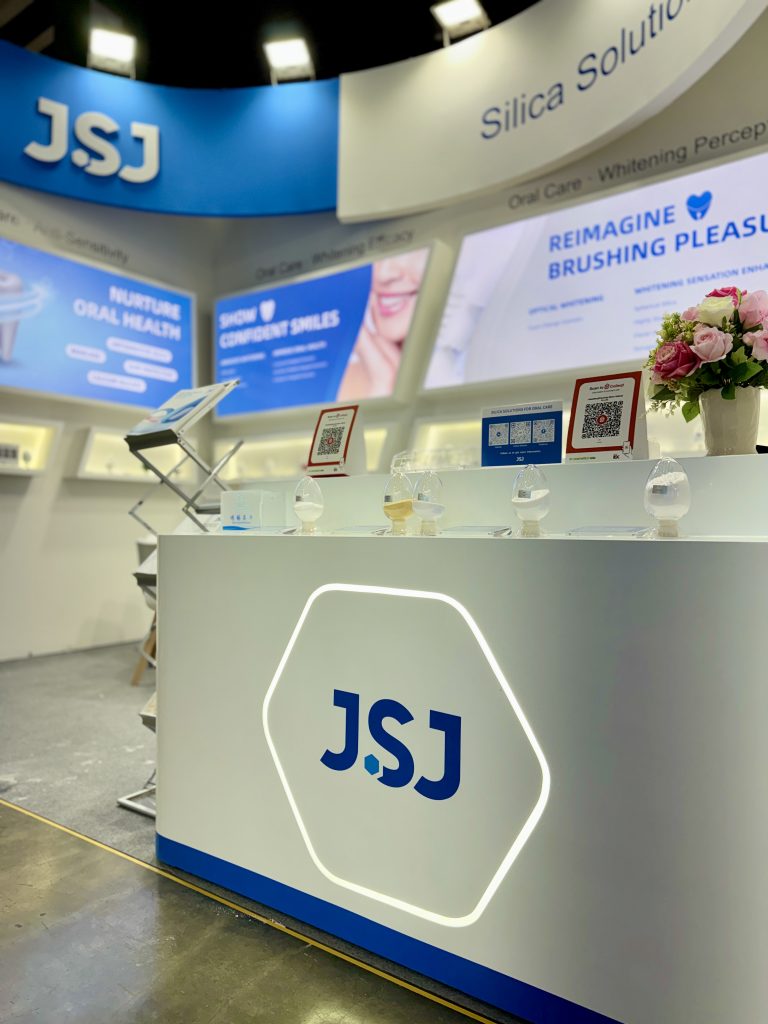
I admit I felt a bit annoyed. You expect materials to be consistent, lah — but reality bites. (Operators mumble about clogging screens; engineers blame the feed line.) I’ll walk you through what I’ve noticed and why those small grains matter more than the specs suggest. Let’s move on and look at what’s hiding under the microscope — and under your production data.
Deeper issues: where traditional fixes fall short
silica particles often carry more complexity than labels show. I’ve seen many teams default to simple fixes — change the sieve size, add a binder, tweak the conveyor speed — but those moves rarely hit the root cause. In technical terms, problems usually tie back to particle size distribution and surface modification states that affect adsorption capacity and flow. When you rely only on broad specs, you miss micro-variations. Those micro-variations alter how powder compacts, how moisture interacts, and how it behaves in mixers or reactors.
So what part gets overlooked?
Traditionally, quality control checks focus on bulk density and average particle diameter. But that’s like checking a car’s weight and ignoring wheel alignment. The tails in the size distribution — the fine fraction — cause stickiness and dust. Surface chemistry differences lead to variable wettability and inconsistent thermal stability during calcination. Look, it’s simpler than you think: if you don’t measure surface area and the fine tail, you’ll chase symptoms, not causes. I’ve watched batch after batch get reworked because teams treated the symptom (clogging) instead of measuring surface energy and adjusting surface modification properly — funny how that works, right?

What’s next: new directions and practical metrics
Let’s be forward-looking. I want to sketch two practical paths: smarter specification and a few targeted tech principles. First, specification: move beyond averages. Include metrics for particle-size distribution percentiles, surface area, and moisture adsorption curves. Second, consider surface modification strategies that match your downstream process. A treated silica can change wetting behaviour and reduce dust. These are not theoretical; they’re process levers. When manufacturers test adsorption capacity and porosity under process-like conditions, they cut trial time and reduce rejects.
Real-world steps?
Here’s a brief plan I’d follow: sample more often, test under real process temperatures, and simulate feed rates with corrected bulk density values. Also, re-evaluate supplier batches with more sensitive measures. I’m partial to comparing batches with a small pilot run rather than trusting certificates alone — it catches behaviour differences fast. — wait, seriously? Yes. It saves money later.
To finish, three quick metrics I recommend when choosing or auditing a silica supplier: 1) particle-size distribution percentiles (D10/D50/D90), 2) surface area and surface modification details, and 3) adsorption capacity at relevant humidity and temperature. Use these to score suppliers and to predict process stability. I’ve applied this checklist myself, and it reduced downtime in pilot runs by measurable amounts. For practical sourcing, remember to check both lab reports and pilot behaviour — they tell different stories. For brand context and sourcing, see JSJ.