
Introduction — scenario, data, question
Not every workshop needs the same exhaust setup; choosing the wrong one costs time, money, and health. I often walk into small fabrication shops where a basic laser fume extractor sits idle or clogged; the team assumes “it’ll do” until headaches and downtime tell a different story. Recent industry checks show high concentrations of ultrafine particles and VOCs near laser cutting zones — numbers that translate into lost shifts and faster wear on tools.
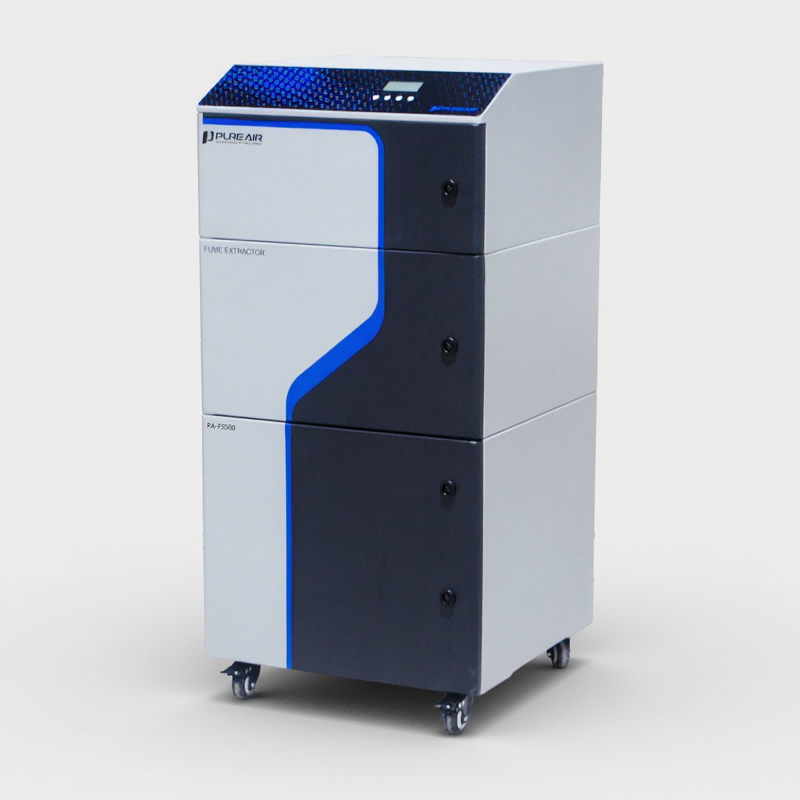
The laser fume extractor here is more than a dust collector; it’s an air-quality control system that affects product quality and worker well‑being (and yes, compliance too). HEPA filters and activated carbon media matter. Fan speed controllers and airflow velocity matter. So how do you decide which system truly saves you money long term, rather than just looking cheaper up front? I’ll walk you through what I’ve learned, step by step — and point out the traps we all fall into. — funny how that works, right?
Next, I’ll dig into the hidden flaws of traditional solutions and the pain points users rarely talk about.
Hidden Pain Points: Why Traditional Systems Miss the Mark
industrial laser fume extractor — most vendors sell a one‑size model and call it universal. I’ve seen this firsthand: a machine rated only by static filter area is installed in a busy shop and fails within months. The problem? Manufacturers often advertise filter type (HEPA, pre-filter) but skim over real-world metrics like filtration efficiency at specific particle sizes or how activated carbon beds handle VOC loads. Those omissions matter when you run high-power CO2 or fiber lasers for a full shift. Look, it’s simpler than you think: match particulate load and VOC profile to filter media and airflow, not to headline specs. — I mean it.
What usually goes wrong?
First, undersized airflow. Shops buy compact extractors for tight spaces but forget that proper capture needs consistent airflow velocity at the nozzle. Second, maintenance blind spots. Filters trap contaminants, but without modular access and clear service intervals, you get pressure drop, reduced capture, and higher motor stress. Third, power and control mismatches — cheap fan speed controllers or incompatible power converters can make a supposedly high-capacity unit perform poorly. I’ve had to retrofit units with variable-frequency drives to stabilize suction (and that’s extra cost).
Looking Ahead: New Principles and Practical Choices
We should move from checkbox buying to measured selection. Modern systems start with source capture design and layer filtration that matches the process: a robust pre-filter, a HEPA stage tuned for ultrafine particles, and an activated carbon stage sized for specific VOC loads. If you plan to automate, include sensors that report filter differential pressure and a simple PLC or edge computing node that logs performance. I prefer semi-formal, practical upgrades — not buzzwords. A well-configured industrial laser fume extractor reduces downtime and shows its ROI within months, if you pair it with correct ducting and routine checks. — and yes, install access panels where you can actually reach the filters.
What’s Next — How to judge a real solution?
Here are three metrics I use when evaluating systems: capture efficiency at the nozzle (percent), filtration efficiency by particle size (including ultrafines), and total cost of ownership over five years (filters, power, maintenance). Test reports should include particle-count data and VOC breakthrough times for the carbon stage. Compare side-by-side: two units with similar clean-air delivery rates can differ wildly once you add in filter life and energy use. I always run a small on-site test or ask for real-user logs before committing. — funny how that works, right?
In short, look beyond the sticker price. Prioritize real capture performance, maintainability, and measurable metrics. I believe these choices save shops money and protect people. If you want a practical partner in this process, I often point folks toward reputable vendors who publish test data and support service plans. For a reliable reference, consider the solutions by PURE-AIR.