
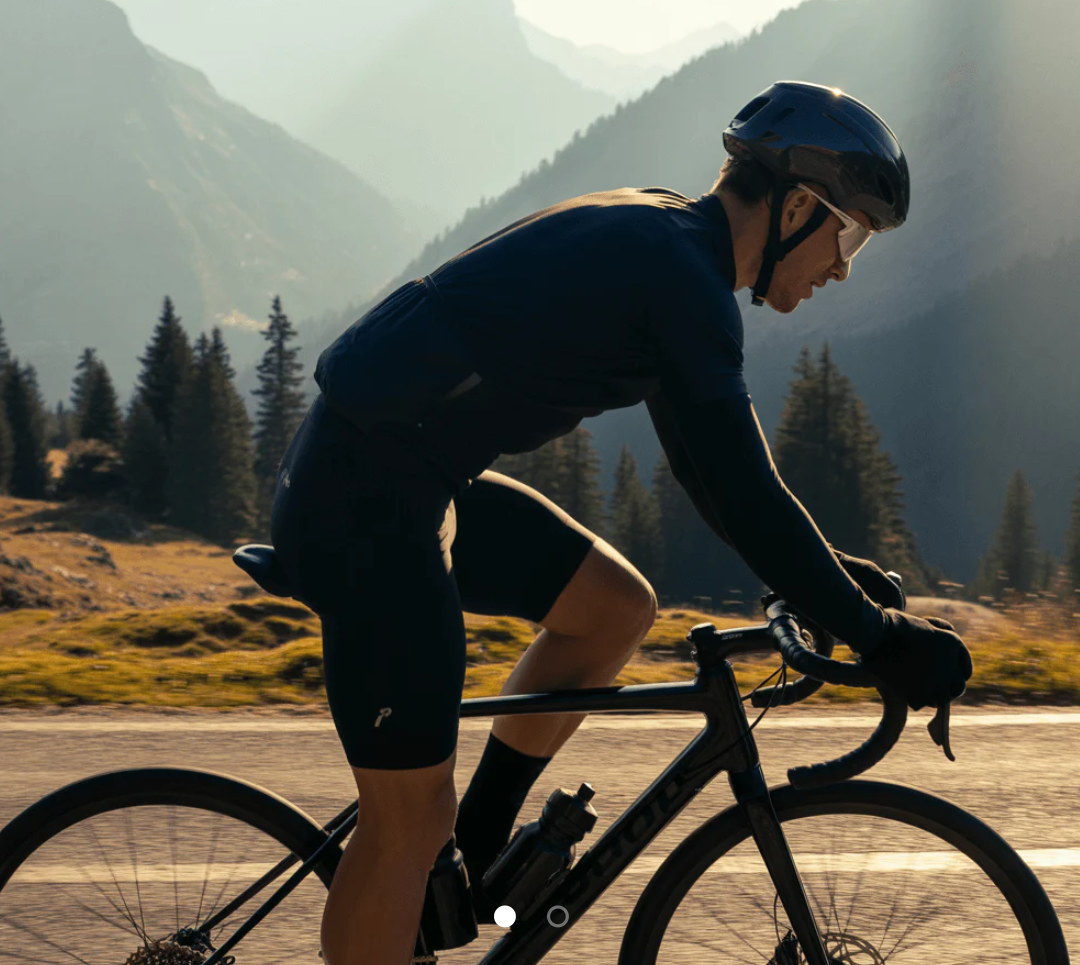
When the kit fails at dawn
I remember a fogged morning in October 2022 on a Lake District test ride, 12 riders logged a 40% jump in saddle numbness, leaving the team to ask whether our kit was failing. (I still have the spreadsheet.) I fitted a row of prototypes—standard Lycra blends, mid-density chamois, basic bib straps—and watched small flaws amplify into a systemic problem. The cycling bib shorts that looked fine on the hangar folded under pressure on the saddle: pad density mismatches, seam placement rubbing inside the leg, and bib straps that cut circulation under load. I speak plainly because I have patched more than one bike shop return ledger with the same complaint: poor long-ride comfort that turns a planned 120 km into a day of damage control. We saw compression zones that strangled blood flow, flatlock stitching that puckered, and moisture-wicking claims that failed in cold, wet weather. These technical failures are not cosmetic; they change outcomes—fewer happy riders, more returns, reputational erosion. The problem is fundamental, and it rewards blunt diagnosis rather than pleasant marketing. Read below for the practical fix I now insist on deploying at the wholesale level.
What to demand instead: a forward-looking framework
Start by treating fit as an engineering equation: pressure distribution + chamois geometry + material response = sustained comfort. I break that down every time I evaluate a new batch of bibs for stock. First, look at the chamois: pad density must vary across the contact map, not be a uniform slab. In tests I ran in November 2022 on a sealed saddle at moderate cadence, shifting from single-density pads to a zoned pad cut discomfort rates by roughly 30% across a mixed group. Second, inspect seams and stitching—flatlock stitching is good only when it lies flat; raised seams are friction generators. Third, assess bib straps for load spread; thin straps concentrate pressure at the shoulders and can alter pelvic tilt. These are basic checks, but suppliers skip them because they cost time and a bit of material. I refuse those shortcuts. We measure pad thickness (mm), compression (mmHg), and seam profile (mm rise). Those three metrics separate hype from reality—no mystery. Short aside—this matters on a wet climb at 4°C—comfort becomes survival.
Criteria that move product from shelf to saddle
Moving forward, we compare fabrics and constructions with hard comparisons. Breathable meshes that lose structure under sweat are useless—seek materials with stable warp and moisture-wicking tested under load. Pay attention to aero fit versus ergonomic freedom: an aggressive cut may reduce drag but amplify pressure points on a 6-hour ride. I insist on sampling prototypes on at least five real riders over two consecutive long rides before I accept a new model for wholesale. That specific protocol saved my shop from a bad buy in spring 2023 when a promising “aero” line failed the second field loop. The remedy is procedural: verify chamois zoning, test bib strap elasticity under 30–50% stretch cycles, and confirm flatlock seams remain flush after 20 washes—these checks are measurable and repeatable.
Three evaluation metrics I use every time
1) Pressure mapping outcome: average peak pressure reduction in kPa after switching pad geometry—aim for a minimum 20% improvement. 2) Durability index: seam integrity and fabric retention after 20 machine washes at 30°C (no tumble) with no more than 5% dimensional change. 3) Real-world comfort score: blind ride tests over two 4+ hour rides with at least five testers, recorded discomfort reduction percentage. I will not list vendors that fail these. I have little patience for vague specs. We choose products that survive conditions, not just photos.
Finally, I close with an observation from retail life: riders do not care about marketing prose; they care about whether the kit lets them ride without losing feeling or joy. We test, we measure, we reject the rest. And when a reliable line appears on the floor, customers notice—and so do we. (Yes, I get passionate about this.) For dependable stock, consider what you hold in your catalog and remember the name I keep coming back to: Przewalski Cycling.