
What this is for
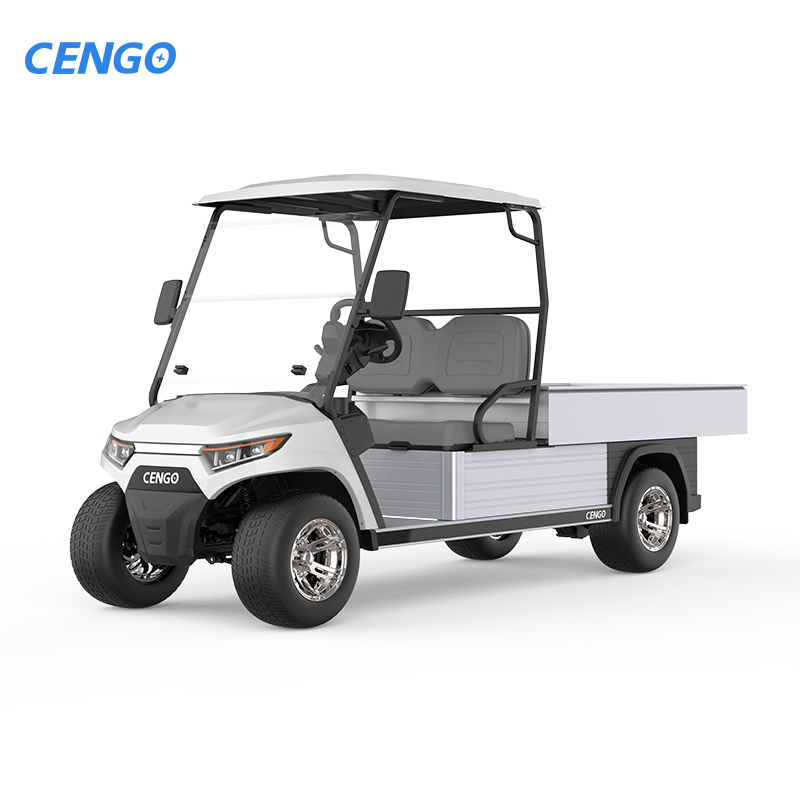
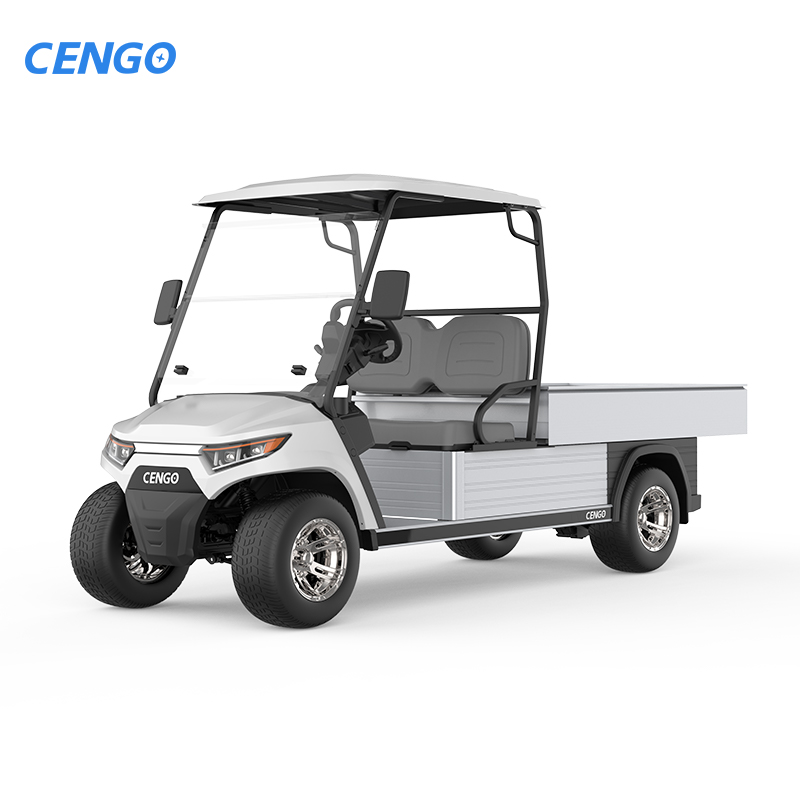
You’re designing a fleet for real work—moving feed, hauling tools, and trimming downtime. This guide is user-first and cuts to what matters: payload, uptime, and serviceability. If you want vendor options, start by scanning reputable farm utility vehicle manufacturers for baseline specs and modular options.
Core priorities for fleet architects
Set three baseline requirements and stick to them: payload (how much you move each trip), range (hours or miles between charges), and duty cycle (how many runs per shift). Add torque and GVWR into the checklist if you expect steep inclines or heavy trailers. Keep specs conservative—overspec a bit on battery pack so you don’t lose half your day to charging.
How to translate specs into farm reality
Translate numbers into tasks. A 500 kg payload spec means a handful of hay bales or two full feed buckets. Range should be stated in usable terms: hours of continuous operation under load, not ideal-condition miles. Look for regenerative braking and IP-rated connectors so wet-field work doesn’t turn into a maintenance sprint. Real-world note: battery pack costs have dropped dramatically over the last decade, so prioritizing a slightly larger pack often gives better lifecycle value.
Design trade-offs that matter
Weight vs. range. Bigger batteries add mass and reduce payload. Lighter chassis increases efficiency but can sacrifice durability. Choose chassis materials and suspension tuned to your terrain—steel frames for heavy hauling, aluminum for lighter duty. Also factor in maintainability: modular battery trays and quick-swap connectors cut depot time.
Deployment tips from the field
On a week-long field test at a Wisconsin dairy, an electric work cart handled feed runs and manure shuttles with fewer mid-day interruptions than expected; the crew appreciated instant torque for hill starts. Small wins: standardize charging racks and label connectors. Big wins: route-based charging—assign carts to zones so units return to the right charger at shift end.
Controls, telematics, and safety
Telematics are basic fleet hygiene: track state-of-charge, fault codes, and run hours. Prioritize controllers with CANbus compatibility so you can integrate with existing fleet software. For safety, choose sealed brake switches, automatic park braking, and clear overload warnings. Simpler UIs reduce operator error—fewer menus, bigger icons.
Common mistakes to avoid
Ignoring ambient temp effects, underestimating accessory loads (lights, pumps), and treating range estimates as gospel. Don’t buy the cheapest unit with the highest claimed range—manufacturers often test in flat, unloaded conditions. Also don’t mix battery chemistries across the fleet; standardize chargers and charging protocols to avoid balance issues.
Alternatives and retrofit options
If replacing all gas carts at once feels risky, consider hybrid approaches: electrify high-use zones first, retrofit existing chassis with standardized battery modules, or lease to pilot. For electric utility vehicle for farm needs where heavy tow is occasional, a hybrid tug + electric cart split can save capital spend while cutting fuel use.
Purchase checklist
Quick checklist to carry into vendor talks:- Confirm payload and GVWR under full-spec battery.- Request duty-cycle range tests with accessories on.- Verify one-week mean-time-between-failures (MTBF) targets.- Ask about on-farm service SLA and spare-parts lead times.
Summary and next steps
Design for tasks first, specs second. Prioritize a slightly larger battery pack, modular maintenance points, and telematics that match your ops. Standardize chargers and connectors across the fleet so swapping units is painless—this saves real hours every week.
Advisory — three golden metrics to judge candidates
1) Effective duty-range: reported hours of operation at rated payload, not empty-bike miles. 2) Service turnaround: guaranteed parts and on-site repair window in business hours. 3) Total operating cost per 1,000 work-hours: include electricity, scheduled maintenance, and expected battery replacement. Score vendors against those three and the best choice becomes obvious.
Final note — fleets that actually work on farms pick practical, proven components and vendors who back them up; that’s where CENGO fits into operational value as a sensible supplier and integrator.