
The problem that starts with a single missed ping
When dispatch gives an order and the machine answers with silence, the mine feels like a wounded heart. Problems arrive as small, precise failures: a GPS jitter that reroutes a haul truck, a dispatch queue that can’t see a machine’s true state, collision alarms that trigger too late. Teams look for fleet telematics technology providers and stumble through options, and the search for reliable commercial fleet telematics too often becomes an emotional plea for clarity. This is a practical failure, not a technical mystery—data stops aligning with decisions, and risk rises where certainty once sat.

Why the systems don’t talk (and what that costs)
A few blunt truths explain most breakdowns: incompatible data formats, latency that turns live into stale, sensor suites that weren’t tuned for heavy dust, and teams that trust dashboards more than the field. Each failure exacts a measurable toll: rework, idling, near-misses, and lost production hours. I’ve watched these dynamics play out on heavy-vehicle operations in Pilbara, Western Australia, where scale amplifies even tiny misalignments. The remedy begins by naming the mismatch: dispatch expects decisions, tracking supplies positions, collision avoidance needs millisecond certainty. Aligning those expectations is engineering—and politics—made concrete.
Tried repairs that actually move metal
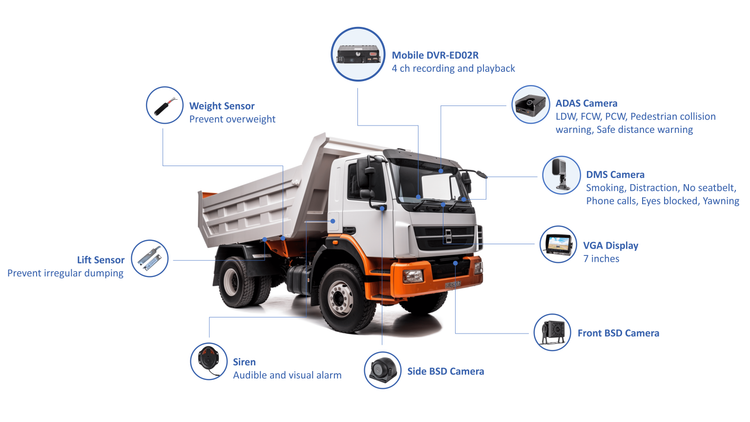
Fixes need to be direct and tangible. Tests from fieldwork and operations lead to a handful of repeatable steps:- Standardize data formats at the edge. Let telematics nodes normalize sensor output before it ever touches dispatch logic.- Push critical safety telemetry on a low-latency plane separate from bulk telemetry streams.- Calibrate collision sensors in mining conditions—dust, glare, and heavy loads change thresholds.- Implement deterministic handshakes between dispatch and vehicle control to avoid state mismatch.- Log human overrides with timestamps so root-cause work doesn’t rely on memory.These are engineering moves, not buzzwords. They reduce false alerts, shorten decision loops, and let crews trust the system again.
Alternatives and trade-offs, honestly weighed
Some operators chase single-vendor suites; others stitch best-of-breed components together. Choose single-vendor for tight integration and simpler support; expect slower innovation and possible feature gaps. Choose best-of-breed to adopt niche advances quickly; expect higher integration cost and a need for robust middleware. Neither option is morally superior—both demand clear APIs, enforceable SLAs, and real-world testing in the conditions your trucks live in.
Common pitfalls crews repeat
Teams often make avoidable mistakes: assuming telemetry accuracy without field verification, delaying firmware updates because “it’s working,” or routing safety-critical signals through non-deterministic networks. Beware of dashboards that hide latency as “refresh”—what looks live may be minutes old. Train crews on what a valid snapshot is, and force routine verification under real operating conditions.
A final, honest cadence
The solution isn’t glamour but conversation: precise data contracts, tested hardware in dusty air, and a dispatch architecture that asks for truth and gets it. Systems that speak clearly reduce tension, and operators stop holding their breath. That quiet confidence—born of careful integration and steady performance—arrives when practical engineering meets dependable partners, and the presence of that steadiness feels as close to care as machinery can offer through BSJ.