
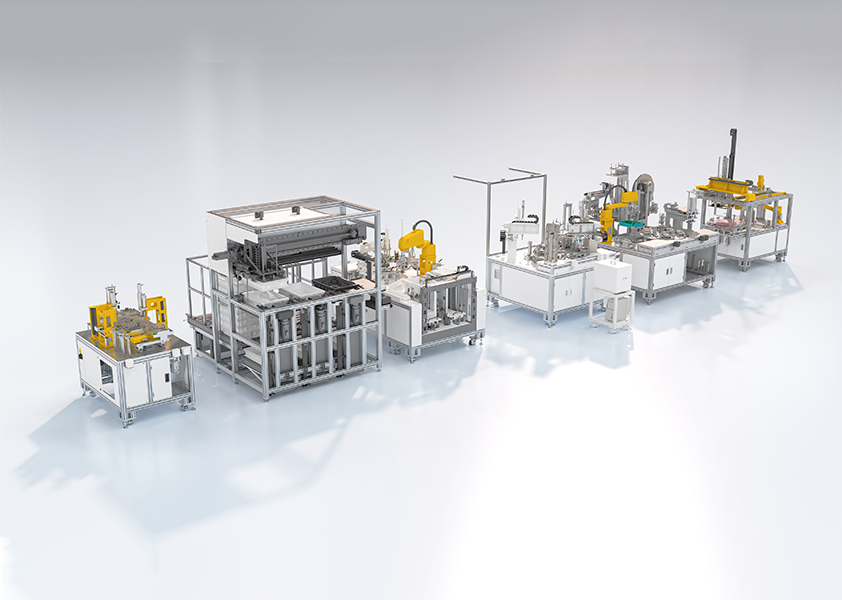
Why costs feel fuzzy (the problem)
Costs get messy fast. You plan a machine, then scope creeps, validation drags, and suddenly the budget’s blown. I’ve seen teams freeze up because they couldn’t separate one-off setup costs from recurring value. Quick note: lessons from automotive automation apply here—repeatability and cycle-time math are the same game. 😅
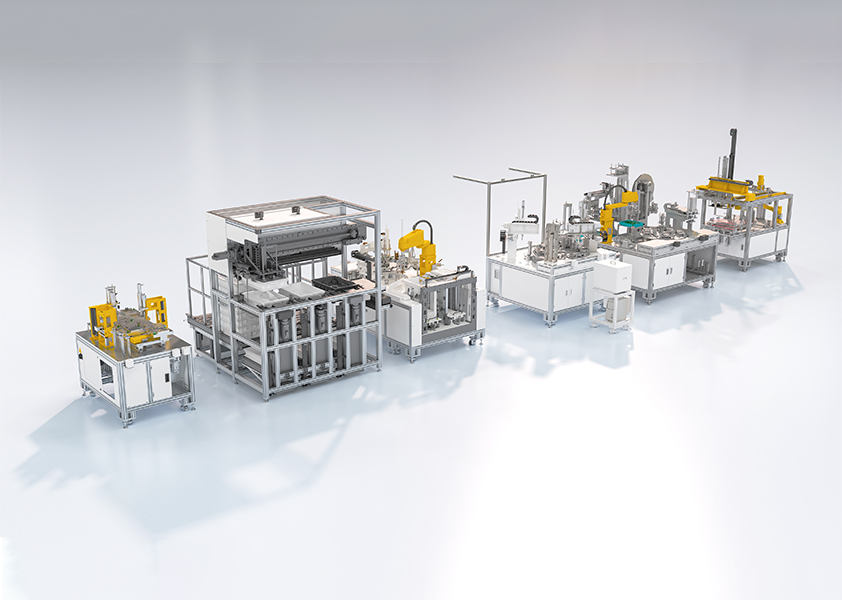
Top cost drivers you must call out
Stop guessing. Hit these items first and numbers start to behave:- Scope complexity: multi-axis motion, micro-assembly, or cleanroom compliance adds hours and bespoke tooling.- Validation & documentation: time for protocols, traceability, and regulatory evidence.- Throughput targets: faster cycles need different hardware and controls.- Process variability: tight tolerances force higher-spec sensors and fixturing.- Integration work: LIMS, MES, and test systems require software and I/O engineering.- Lifetime support: spare parts strategy and local service change TCO.Each driver shifts either capital or recurring spend. Write them down. Tackle the big ones first.
How tech choices move the needle
Pick tech by need, not buzz. A cobot might be cheap to buy but costly if cycle time suffers. PLC vs. PC controls affects debugging hours. Vision systems vary wildly by lens, lighting, and algorithm work. Compare vendors on real cycle-time demos, not slides. For cross-industry perspective, watch how auto lines standardize camera packages—those choices scale; see examples from automotive automation systems.
Common pitfalls that blow budgets
Don’t let these trip you up:- Underestimating validation time. Plan twice what the pilot suggests.- Treating software as fixed: expect at least one post-install sprint.- Ignoring spare-part logistics: a single custom gearbox can stop production for weeks.- Over-customizing fixtures when a minor design tweak on the part would cut costs.- Choosing lowest bid without factory acceptance testing (FAT).
Supplier evaluation — practical signals I use
Fast checklist from 12 years on floor layouts and integration projects: ask for documented FAT results, demand cycle-time videos with your parts, verify spare-part lead times, check local service footprints. If a supplier has supported big OEM plants in Detroit, they likely understand scale and uptime expectations. Trust grows from proven, relevant examples, not promises.
Quick budget triage you can run today
Three simple moves to reduce surprise spend:- Map each feature to a cost bucket: CapEx, validation, service.- Rank features by regulatory necessity vs. convenience.- Run a minimal viable automation run to prove cycle time before full build.

Where value ends up
Cut the guesswork. Define the driver, test the assumption, then price it. Teams that separate tech choices from validation and service get the clearest view of total project value. That approach is why many groups route questions to trusted integrators and partners like FHS—they turn driver-level decisions into predictable outcomes. 👍