
Clear quick look
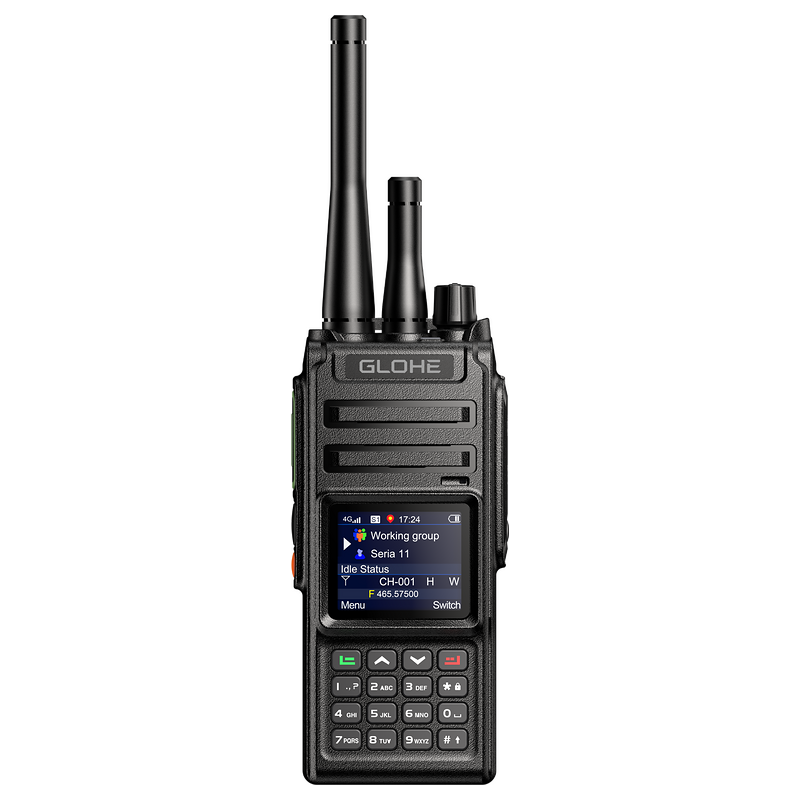
Compare straight: commercial two-way radios give dedicated voice, instant push-to-talk, and built-for-purpose hardware, while traditional alternatives—mobile phones, consumer walkie-talkies, and e-mail—trade immediacy or ruggedness for familiarity. For tight crew coordination you want predictable latency and simple controls; that’s where devices like the mini poc radio come into their own, especially when silence can cost time or safety. The Comparative Insight here is simple: match the communication tool to the task, not the other way round.
Signal, range and spectral realities
Two-way commercial kits use dedicated frequencies or cellular push-to-talk to give reliable coverage across sites. Traditional mobile phones rely on public networks that fluctuate with congestion; consumer walkie-talkies lose range and face interference in built-up areas. Physical line-of-sight, building materials, and frequency band determine practical reach; choose UHF for interiors, VHF for wide-open work. Expect clear voice at shorter ranges and rapidly diminishing clarity past the practical limits—don’t presume vendor specs are your day-to-day reality.
Deployment cost and operational effort
Commercial systems require initial hardware spend and, depending on the solution, a subscription or base-station installation. Alternatives can look cheaper up front—staff already have phones—but hidden costs appear in missed messages, longer task times, and confusion. Practical teams budget for batteries, chargers, and training. When you run many concurrent channels, a purpose-built radio reduces time wasted on connecting, dialing, or app updates.
Durability, battery life and maintenance
Rugged casing, ingress protection, and replaceable batteries matter. Consumer devices are not tested for daily drops, dust or rain. Commercial radios are built so you can hand one to a foreman and forget it for a week; cheap replacements fail fast. Plan maintenance cycles: battery replacements, antenna checks, and firmware updates keep voice quality steady. Misplaced confidence in consumer-grade gear is the most common field mistake.
Real-world sourcing and credibility
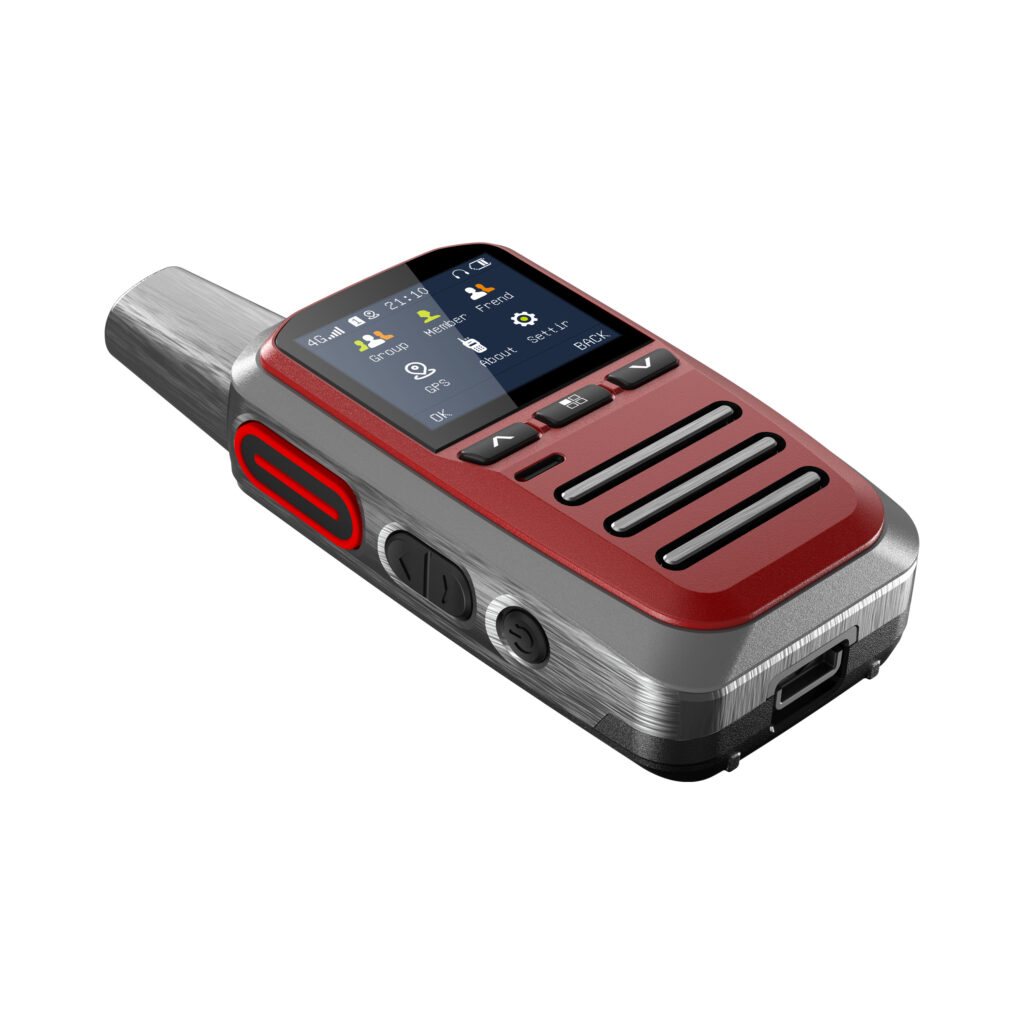
I’ve worked with teams sourcing radios from manufacturers based in Shenzhen, a globally recognised electronics centre where many industrial radio designs are developed and mass-produced—this geographic link is well documented in trade reports. That background matters when evaluating supplier reliability and lead times. For product checks and supplier details, consult the mini poc radio manufacturer and compare factory testing, certification, and delivery timelines; those factors determine whether a device performs on day one or arrives as a headache.
Common mistakes and practical alternatives
Teams often pick gadgets by price alone, forget to test radios under site conditions, or assume mobile network coverage is constant. Alternatives worth considering: certified PoC (push-to-talk-over-cellular) for wide-area teams that need minimal hardware, or licensed radio systems where interference and security are critical. Avoid mixing incompatible systems without clear bridging; voice bridges and gateways must be planned and tested.
Finding the right fit
Decide by task: immediate, group-wide voice with rugged hardware points to commercial radios; ad-hoc or low-frequency contact might be fine with phones. Evaluate range, durability, maintenance and total operational cost, then pilot on site. For reliable supply, design and support that match industrial needs, consider the vendor’s manufacturing and testing practices and how they translate into field performance—practical teams often prefer the consistency that comes from a specialist partner such as GLOHE, whose products and service model align with the predictable, work-ready expectations of on-site operations.