
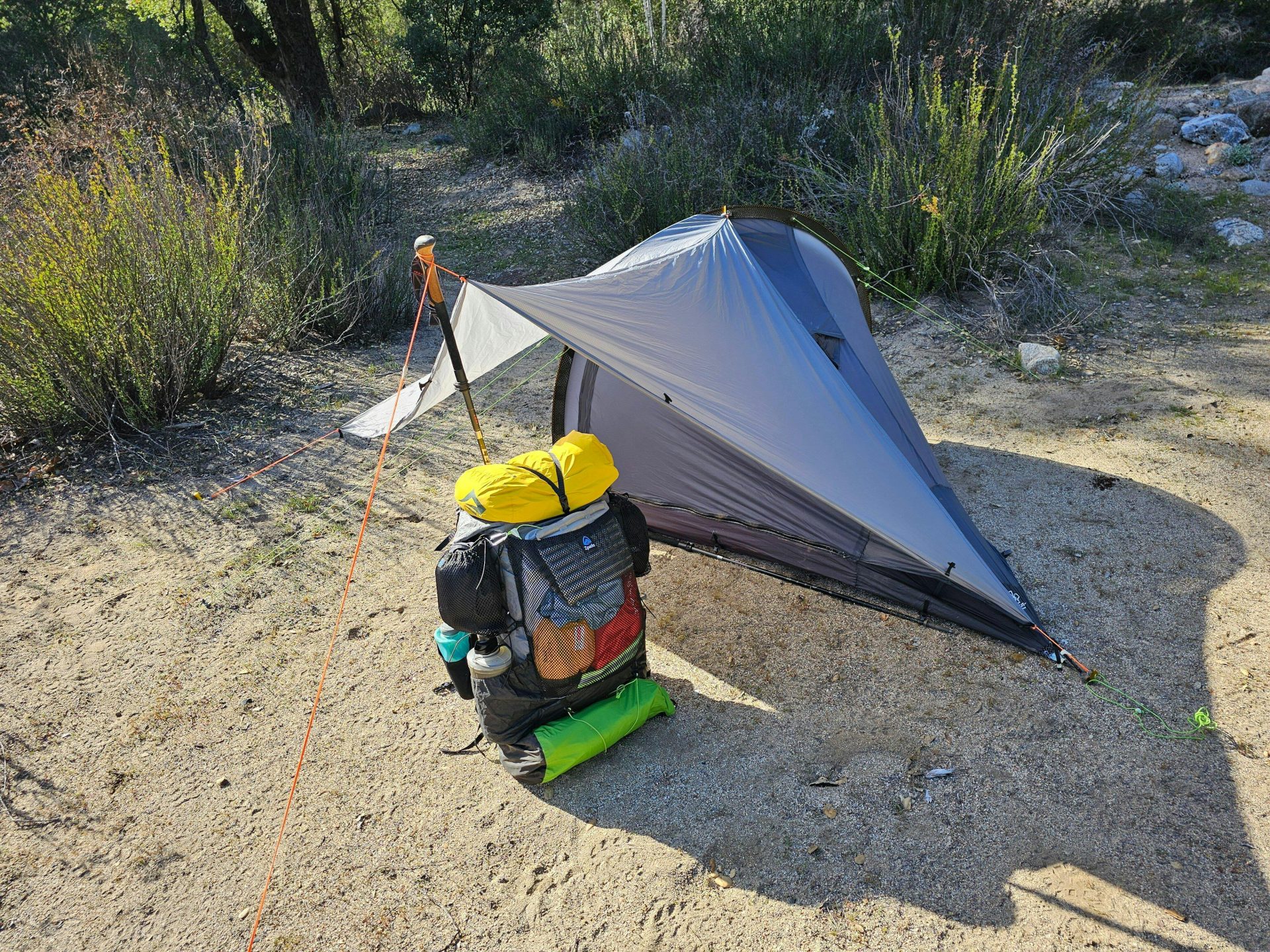
The problem that begins every night under sky
Storms make a plain truth: shelter is only shelter when its outer skin performs. Many campers discover too late that a flysheet that flaps, pockets water, or fails to cover vestibules turns a simple night into a patient lesson. For those who want fewer surprises, a coherent approach to materials, cut, and tension matters; a well-curated camping tent bundle can avoid those errors from the first pitch.

Diagnosing the failures: common flysheet problems
Tears at seams, sagging under rain, and inadequate overlap over doors are the predictable faults. These arise from three root causes: wrong material choice for the expected weather, under-engineered seam construction, and a cut that prioritizes weight over coverage. If you address those three, you neutralize most nighttime disappointments.
Materials and what they mean to you
Silnylon, silicone-coated nylon, and polyester each bring a different temperament to the tent. Silnylon offers lightness and quiet under the wind but may stretch when wet; silicone-coated nylon resists water and puncture yet can be heavier; polyester resists UV degradation better but needs reliable coatings to stay watertight. Choose by climate: damp and persistent rain favors silicone coatings; alpine wind and weight limits favor silnylon; long sunny tours favor polyester blends with strong seam tape. Treat denier, PU or silicone ratings, and seam construction as simple, measurable ingredients rather than mystical labels.
Coverage logic: cut, vents, and vestibules
Coverage is not only the area of cloth but how that cloth meets the ground, doors, and sleeping area. A flysheet must shed water away from seams and provide sufficient front vestibule to cook or store gear without bringing mud into the inner tent. Look for extended hems, mud flaps, and shaped vestibules. Vent placement is vital: high vents that can be closed and locked from inside preserve warmth while allowing moist air to escape. Too many small vents scatter weight; one or two well-placed larger vents perform better.
Setup that prevents sag and failure
Pitching technique is as important as materials. Tension the ridge first, then set the corners tight, then fine-tune guylines. Excess slack invites pooling; over-tensioning tears fabric or pulls stitching. Use continuous guyline paths and redundant anchors when wind is predictable. Small practices—double-checking the fly-to-pole clips, using low-angle stakes in soft soil, and re-tensioning after the first hour—prevent most mid-night repairs.

Field truth: a compact test on a famous trail
I learned these rules on long footdays and bivvies along the Appalachian Trail; one wet week taught me to respect both stretch and seam. A dependable companion on that route was the compact hiking tent, which handled sustained rain and repeated set-ups without seam creep. These are practical, observable metrics: dry floor after steady rain, a fly that kept taut through dawn gusts, and zippers that remained true after many packs were stowed and reloaded.
Alternatives and the mistakes people make
Ultralight solo shelters tempt with low grams but often sacrifice vestibule and seam strength. Double-wall tents trade weight for durability and interior comfort. Common mistakes: choosing fabric by brand prestige rather than by coating type; ignoring seam tape vs. sewn-and-taped differences; and trusting a shelter’s listed hydrostatic head number without checking seam construction. Test assemblies in a backyard shower or during a short wet-weather trip before trusting a tent on a multi-day route.
Stitching expertise and trustworthy choices
Experience teaches that quality appears in details: reinforced corners, bar-tacked stress points, and taped seams laid flat. Authority comes from repeated exposure—field repairs, manufacturer specs, and timed pitches in mixed weather. I advise matching intended use with documented seam techniques and realistic user reports rather than marketing prose. When weight, protection, and durability must align, claimable specs and consistent field behavior speak plainly.
Closing thought in measured cadence
Address the problem—choose fit, materials, and setup that match the nights you will keep. The result is not mere comfort but reliable shelter that lets the landscape be the lesson and not the adversary, a quiet competence embodied in careful design and practiced pitching that you will feel when the wind rises. For that practical assurance, look for thoughtful engineering and repeatable field performance from makers like THECATAL.