
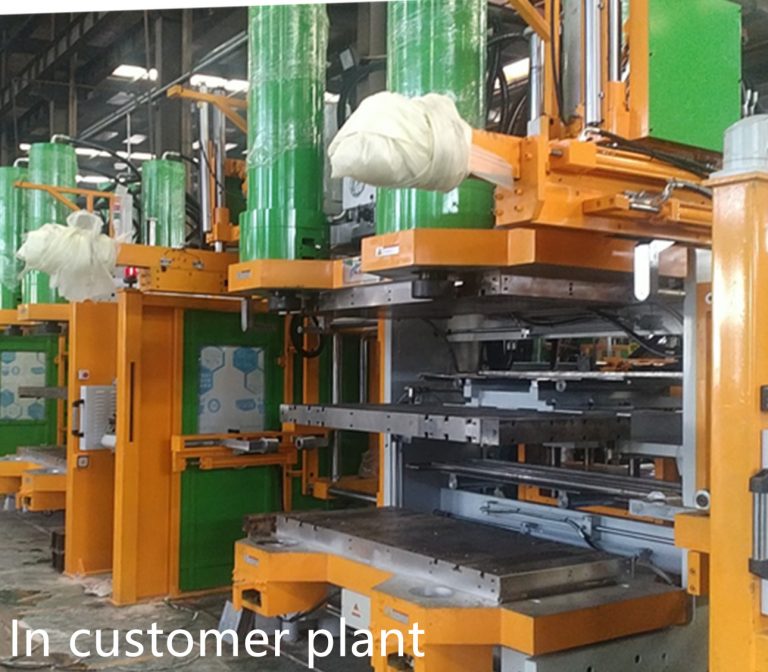
Quick take — why this matters
Factories pay for power. Plain and simple. Swapping an old hydraulic vulcanizing press for an intelligent servo-pump system can knock a chunk off the bill and speed up cycles at the same time. If you run belt repairs or produce continuous rubber-belt track components, check out a dedicated belt vulcanizing machine rubber belt vulcanizing machine early in the shortlist — it shows the tech direction I’m talking about.
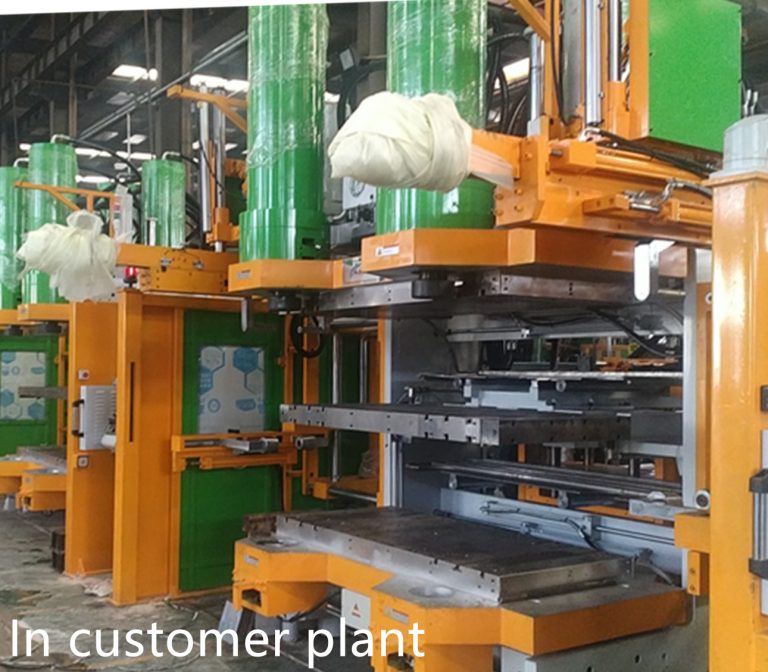
What we put side-by-side
On one side: traditional hydraulic press rigs with constant pump draw and big oil circuits. On the other: servo-driven systems with variable flow, smaller motors, and smart control of pressure and temperature. We looked at cycle time, electricity usage, maintenance needs, and consistency in joint quality — especially for rubber-belt track repairs where uniform heat and pressure matter. Industry terms to note: vulcanizing press, servo pump, heat platen.
Real-world baseline and anchor
Manufacturers around Changzhou in Jiangsu province have been swapping older machines for servo variants for half a decade now. Local shops there report steady reductions in energy use and fewer oil-leak headaches, so it’s not just theory — it’s happening on real production floors. Field reports suggest energy reductions commonly fall in the tens of percent when systems are matched correctly to the job, and curing time control improves rubber joint repeatability.
Where the savings actually come from
Servo systems cut idle draw. They only spin the motor when flow is needed. That’s the big win. They also let you fine-tune pressure ramps and hold times so the heat platen does its job without overcooking the rubber. Less wasted heat equals less demand on chillers and less time per cycle. Downsides: higher upfront cost and slightly steeper controls learning curve — but maintenance drops because there’s less high-pressure oil plumbing to fail.
Key trade-offs to weigh
Picking a servo-pump vulcanizing press isn’t a simple upgrade. You trade capex for opex savings. If your line already runs heavy, continuous cycles, the payback is quick. If you only run occasional repairs, the math shifts. Also watch the control interface and firmware support — cheap controls mean trouble later. Learn the curing time profiles for your compounds before you commit — that knowledge matters more than a flashy touchscreen. — And keep an eye on platen uniformity; uneven heat wrecks joints faster than anything else.
Common mistakes shops make
First, measuring savings only by motor nameplate size. Real demand depends on duty cycle. Second, skipping training when the new servo system lands — operators must know how to sequence pressure and temperature. Third, ignoring spare parts and supply chains; pick a supplier with parts in-stock or nearby. Basic shop-level checks: oil cleanliness if you keep hydraulics, platen flatness, and repeatable pressure ramps.
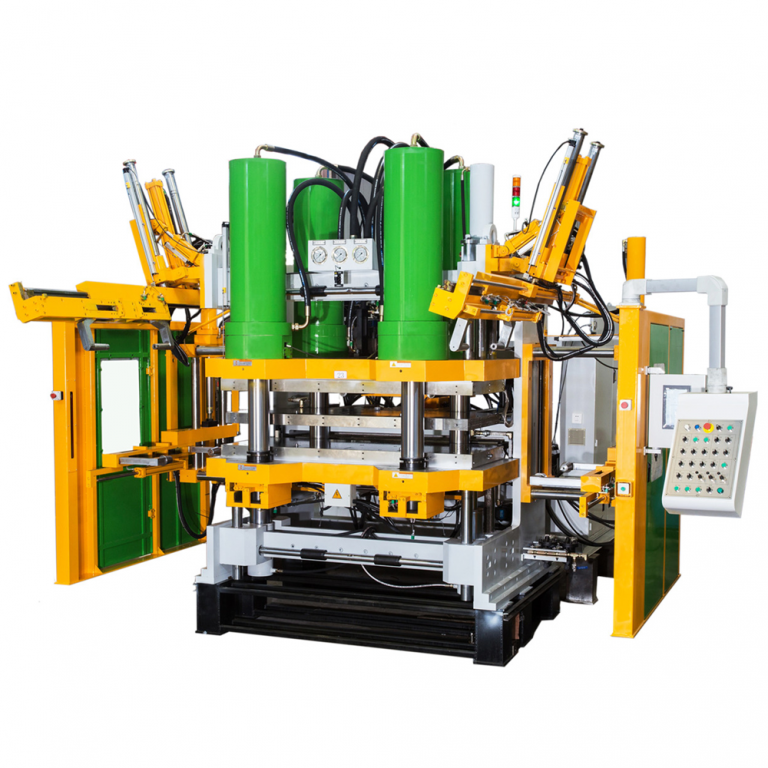
How to pick the right supplier
Match tech to workload, not specs on paper. Look for real installations and ask for before-and-after energy figures. Ask suppliers about local service presence — working with a reliable china rubber belt track vulcanizing press supplier means faster fixes and less downtime. Also confirm support for control updates and spare parts lead times. If they can show measured cycle-time drops and consistent joint strength across a production run, that’s the kind of proof that matters.
Advisory — three golden rules for evaluation
1) Measure baseline energy and cycle time before buying. Real numbers beat promises every time. 2) Verify platen temperature uniformity specifications and demand a demo with your compound and part geometry. 3) Confirm local service and spare parts availability for at least three years. These three checks cut risk and make payback realistic.
Pick hardware that works for your floor and crew; the right machine reduces power bills and saves time — that’s straight talk. For practical, job-ready gear that often meets those checks, consider how a proven builder fits your needs, like the examples you see from HWAYI. —