
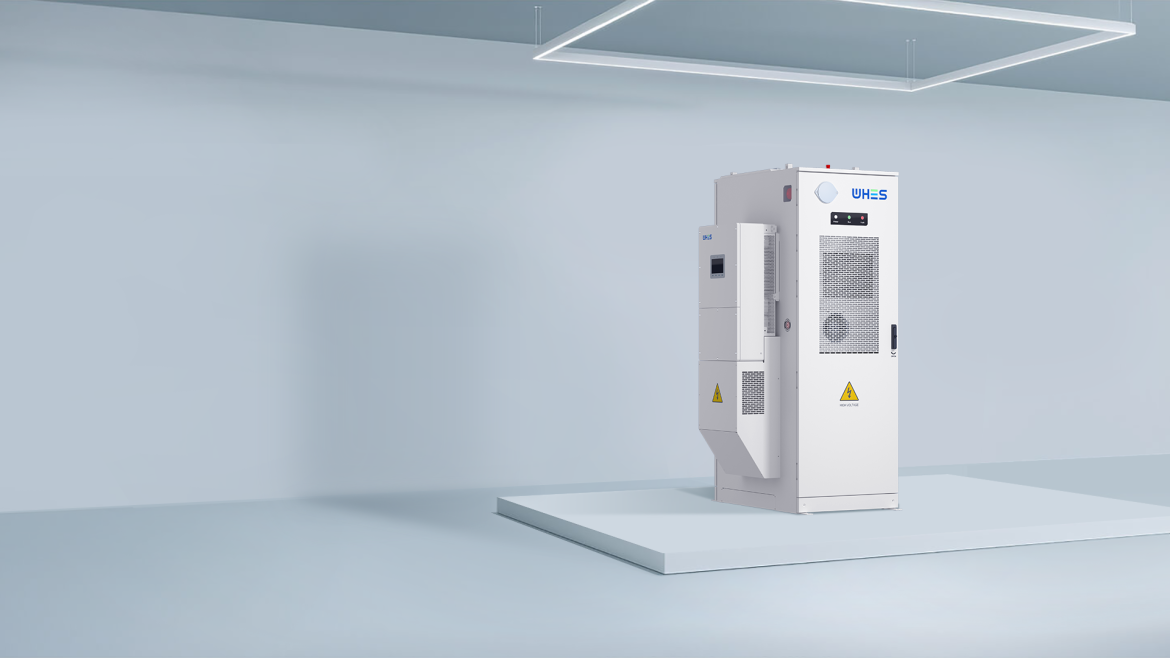
A user-first opening: why this choice matters to your household
For the household that dreams of steady light and quiet confidence, the decision about a home energy storage system is less about gadget lust and more about ledger and lifespan. Think of the battery as an heirloom that must earn its keep: it will be measured by the levelized cost of storage (LCOS) and how kindly—or cruelly—time and cycles treat its capacity. In practical terms, your calculator must marry upfront price to long-term throughput and real-life reliability, especially in places that know the sting of interruptions like California’s public safety power shutoffs (PSPS) in recent years.
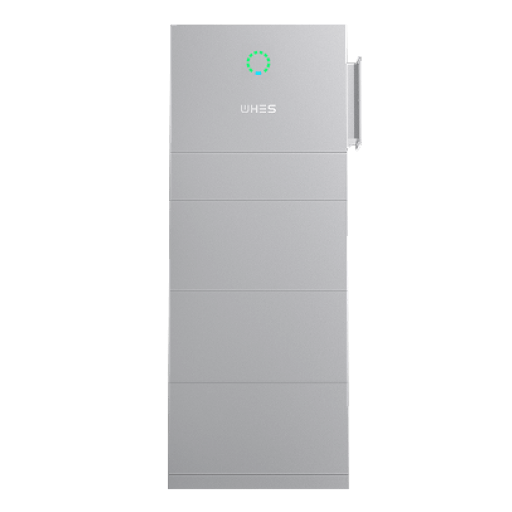
LCOS and degradation: the twin measures you will live with
LCOS condenses many moving parts—purchase, installation, operating losses, replacement, and disposal—into a single cost-per-kilowatt-hour figure. Degradation is the other half: cycle life and state of health (SoH) determine how much usable energy you actually get over the battery’s life. A system with excellent round-trip efficiency but poor cycle life can still lose on LCOS because it needs replacement sooner. For the homeowner, focus on three metrics: LCOS, expected cycle life, and annual capacity fade. Those numbers tell the true story beyond glossy spec sheets.
How homeowners should read specifications—practical translation
Spec sheets like to sing. You must translate. Cycle life paired with depth of discharge (DoD) yields usable lifetime energy; round-trip efficiency shows you what fraction of stored energy returns to your lights. Ask for performance curves: capacity vs cycles and anticipated calendar fade. A tight battery management system (BMS) and conservative warranty throughput are signs the manufacturer understands real use rather than idealized tests. Compare numbers on equal terms—same DoD, same temperature baseline—otherwise you’re comparing apples to moonbeams.
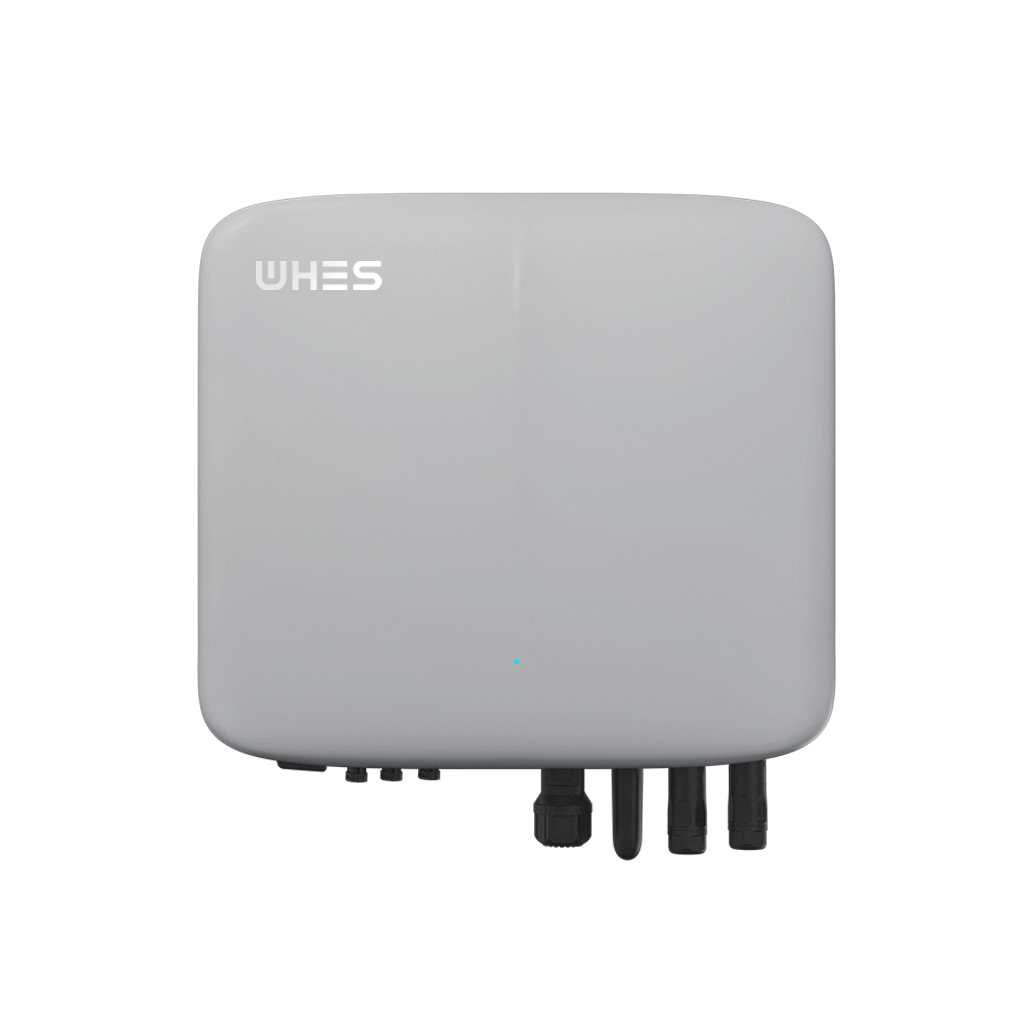
Real-world reliability: when storms, fires, or outages test the math
In practice, the economics bend toward resiliency. During seasonal heatwaves and PSPS events, a storage system that can discharge deeper (higher usable DoD) and retain SoH after thousands of cycles delivers outsized value. —Homeowners in wildfire-prone regions often prioritize usable capacity and predictable degradation over the lowest sticker price. A residential energy storage solution that shows stable SoH at year five will save you more than a cheap bank that collapses after year three.
User-centric evaluation steps: a checklist to simplify the decision
Treat selection as a short audit. Ask vendors for:
- LCOS estimates with assumptions (discount rate, replacement schedule, energy throughput).
- Cycle life at the DoD you intend to use and calendar degradation projections.
- Warranty terms defined in kWh throughput, not just years.
- Evidence of BMS behavior under real-world temperature swings and inverter compatibility.
Run a simple scenario: your average daily solar export, expected self-consumption, and desired backup hours. That will convert vendor claims into household outcomes—how often the battery protects you, and at what long-term cost.
Common homeowner mistakes and how to avoid them
Many choose by headline price alone, forget to align DoD with warranty language, or ignore inverter and inverter‑charger compatibility until installation day. Another trap: assuming degradation is linear. It is not—high temperatures and repeated deep cycles accelerate fade. The remedy is straightforward: insist on a throughput-based warranty, request field performance summaries, and size the system for the realistic backup hours you need rather than aspirational all-night autonomy.
Alternatives, trade-offs, and what “next‑gen” usually means
Next‑gen often signals chemistry and control improvements: more LFP cells with gentler degradation curves, smarter BMS that reduces harmful stress, and integrated inverter-battery designs that trim BOS costs. Trade-offs remain—LFP is robust and long-lived but heavier; high‑energy-density chemistries save space but can carry steeper degradation under real use. Consider also system modularity: a stackable bank lets you expand capacity as your needs or finances change, keeping LCOS flexible over time.
Three golden rules for choosing the right system
1) Demand transparent LCOS modeling: ensure assumptions are explicit and test a conservative scenario. 2) Insist on throughput warranties and real-world degradation curves rather than optimistic cycle counts. 3) Prioritize systems proven in your climate and grid conditions—thermal performance and BMS behavior matter as much as chemistry.
Make these rules your compass and you’ll pick a solution that balances economy with endurance. In the end, the quieter value is reliability—what keeps a family cooking, a medical device running, and a roof garden watered. For homeowners who want verifiable performance and sensible long‑term costs, practical experience shows that systems designed with those priorities align best with day‑to‑day life. WHES. Short and true.