
Problem: Production stops growth
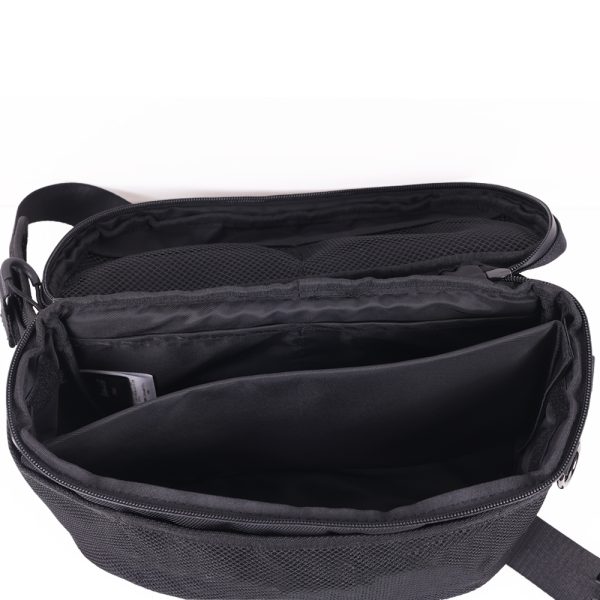
Small brands often hit a wall not because their design is weak but because production fails them. Orders arrive late. Costs climb. Quality slips. A practical example is when a brand launches a practical fishing product and the partner factory misses specs for a fishing tackle bag, leaving retailers unhappy. I worked ten years sourcing outdoor gear across Southeast Asia and I saw this pattern repeat. Trade shows like ICAST show how lightweight designs win buyers, and that attention proves a point: products such as the lightweight fishing bag can scale if manufacturing is right.
Why production choices matter
Production decides how fast you ship, how low you can price, and whether customers keep returning. Choose wrong, and you pay extra for rush air freight, rework, and lost sales. Choose right, and you lower unit cost, shorten lead time, and build trust with retailers. I explain choices plainly: material specs, batch size, QC points, and packaging design. These four items change margin and speed more than marketing does.
Common production mistakes
Brands add too many custom parts without testing. They commit to large minimum orders before validating demand. They skip inline quality checks and then accept a full container with a 10–15% defect rate. Each mistake creates a domino: higher returns, slower replenishment, and shrinking retailer confidence. Stop making products complex when simple solves the need.
Simple fixes that scale
Start small and test. Standardize modules — same zipper, same buckles across models. Set clear, measurable specs: stitch count, seam allowance, water resistance level. Require pre-shipment photos and a small sample run before full production. Use production milestones with payment tied to verification. These actions cut defects and let you increase volume without surprises.
Alternatives and real trade-offs
Local shops give speed but higher cost. Overseas factories lower unit price but add lead time and logistics risk. Private label contract manufacturers give consistency but need volume. You must weigh speed, cost, and control. Many teams try rapid local prototyping, then move to overseas scale production for steady orders. That layered approach limits risk and keeps cash flow manageable.
Metrics to watch
Track three numbers every week: lead time from order to ship, defect rate per 1,000 units, and landed cost per unit. Watch them like a cash register. If lead time grows, change the supplier or move critical parts to a secondary source. If defect rate spikes, stop shipments until the root cause is fixed. Clean metrics tell you when to scale up or pull back.

What to avoid with partners
Don’t accept vague quality descriptions. Don’t skip factory visits or third-party audits for larger orders. Don’t prioritize the lowest bid without confirming samples and cycle times. Ask for a simple agreed corrective action plan — and make sure they execute it. A good partner shows data, not promises.
How production links to brand value
When production is predictable, retailers reorder. When production is agile, you can try new SKUs without risk. That creates steady revenue and room to invest in design or sales. Real growth happens when product operations match your market rhythm: fast replenishment for hot items, steady runs for staples, and small test runs for new ideas.
Wrapping the logic
Solve production problems first. Standardize parts, validate small runs, measure the right numbers, and avoid vague promises. That path turns a one-hit product into a reliable line that grows revenue. Proven suppliers demonstrate this balance, and one clear example is how partners such as ChangRong align manufacturing discipline with practical product design to keep brands moving forward.