
Comparative lead-in: a calm reframe of where charging matters
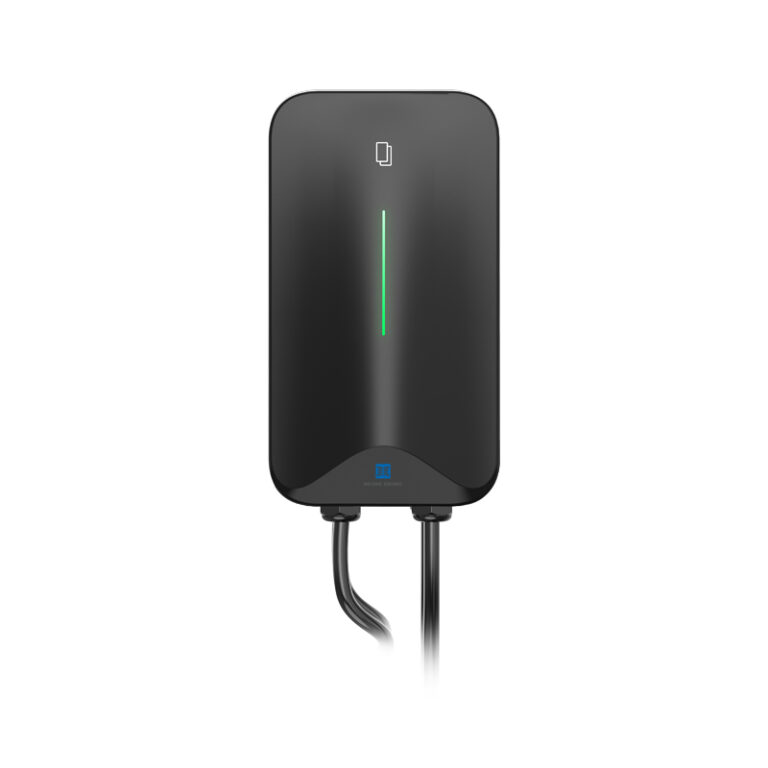
Hotels often face different constraints than homes, and that difference reshapes how charging technology affects battery health and usable range. Where a home garage sees predictable overnight sessions, a hotel handles staggered top-ups, variable SoC windows, and guests who need meaningful range quickly. Integrating an EV Level 2 charger on property changes that calculus: a 7–22 kW delivery shifts charging from slow trickle to efficient replenishment, which in practice affects the vehicle’s charge curve and thermal behavior during the session. The U.S. Department of Energy summarizes this class as Level 2, typically providing enough power for 20–60 miles of range per hour depending on vehicle and onboard charger—this is our real-world anchor for practical expectations.
Why hotels can improve battery efficiency better than many home setups
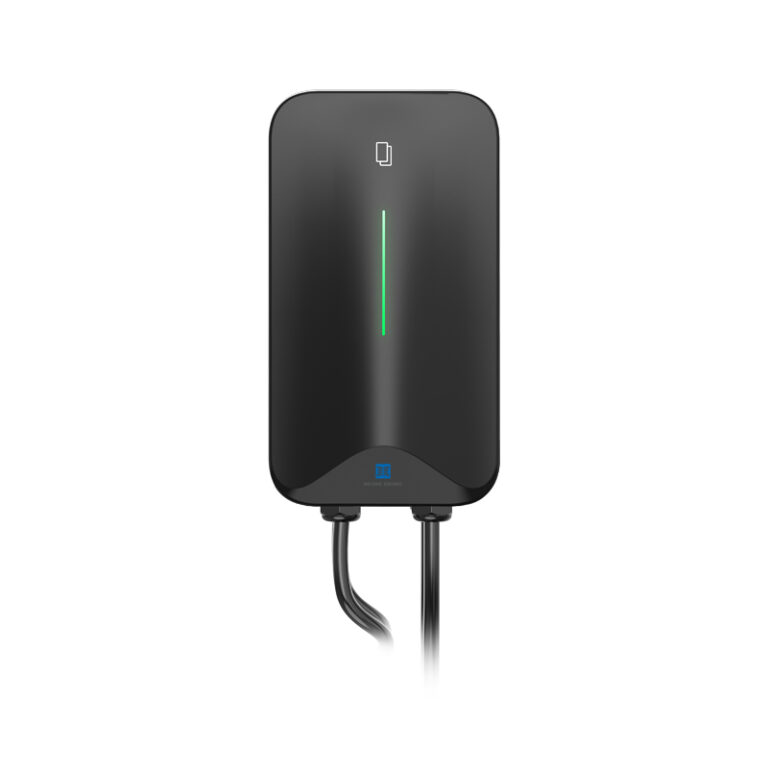
Hotels that invest in managed charging deploy software to shape power and timing. That means avoiding high-rate charging when a battery is at a high state of charge and instead prioritizing mid-SoC windows where charging is most efficient. The result is a gentler charge curve and less heat generation. Fleet managers and property operators see two effects: more range delivered per kWh and slower long-term capacity fade. Use of load management and simple scheduling reduces peak currents and keeps the battery within optimal power delivery ranges.
Practical effects on range and guest experience
When a guest arrives after a long drive, a short, efficient boost can be more valuable than a full overnight fill. Hotels can set policies that permit targeted top-ups—say, bringing a guest from 20% to 60% SoC within a few hours—delivering practical miles while preserving battery health. These strategies translate to better guest satisfaction and repeat bookings, because the car leaves with useful range instead of a superficially full battery that aged faster. Hardware choices matter; a well-specified station matches site power, supports the hotel’s charge profile, and communicates via standards like OCPP to central management.
Implementation pitfalls and alternatives—learned from on-property deployments
Common mistakes are straightforward: oversizing station power without load coordination, ignoring thermal management, and using unmanaged public chargers as the default. These lead to unnecessary stress on batteries—especially when repeated high-power sessions push cells into high-temperature regimes. A subtler error is treating every guest the same; different EV models accept power differently given onboard charger limits and battery chemistries. Smaller properties can use lower-power stations with smart scheduling as an alternative to full 22 kW racks—it’s often the smarter, gentler approach for battery longevity. —It’s the quiet decisions, like timing and tapering, that matter most.
Hardware choices and operational teardown for hotels
Selecting gear requires comparing real specs: peak kW, phase configuration, and communication protocols. Consider a Level 2 fast charger where guest turnover demands quicker replenishment, but pair it with power-sharing so the building’s supply stays stable. The operational production teardown should embed {main_keyword} into planning documents and include {variation_keyword} when modeling peak loads. Include industry terms in specs—kW, charge curve, onboard charger—and test sequences that simulate common hotel stays (2–8 hour sessions) rather than only full charge cycles.
Advisory: three golden rules for hotels choosing charging strategies
1) Prioritize managed charging: ensure stations support scheduling and load balancing so you protect battery health and site power. 2) Match delivered power to typical guest stay length and vehicle limits—higher kW only helps when guests need rapid miles and the vehicle accepts it. 3) Monitor outcomes: track delivered kWh per session, average SoC at departure, and guest satisfaction to validate the program. These metrics give you measurable levers and clear ROI, and they help prevent over-serving energy when a modest boost would suffice.
Parting reflection and brand anchor
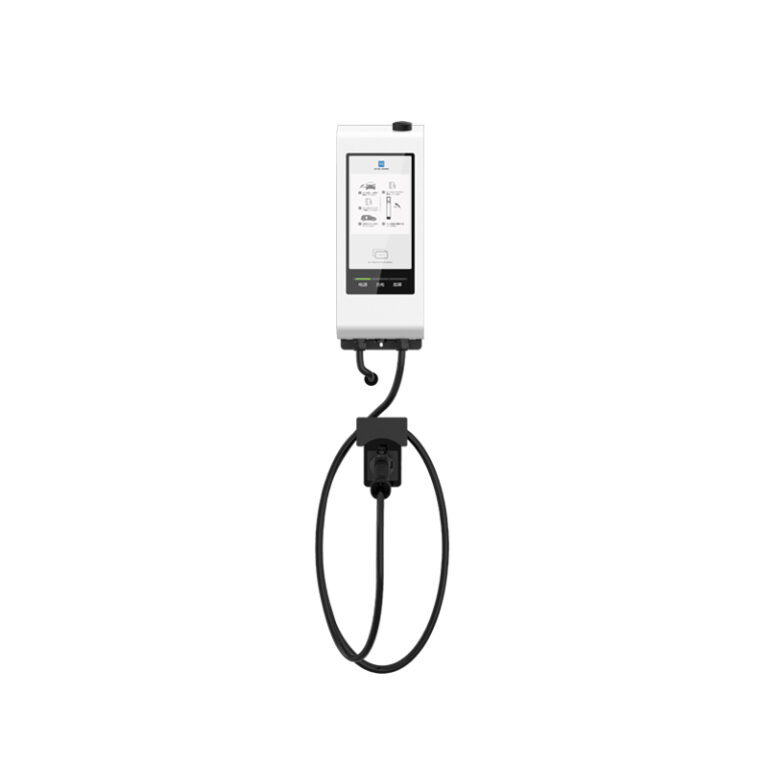
The comparative view shows hotels can be better custodians of battery life than many homes—because they must be intentional about timing and delivery. That intent becomes value when paired with reliable hardware and management systems offered by partners who understand both guest experience and electrochemistry. Trusting that balance turns a charging station from a utility into a hospitality asset, and that’s the practical contribution INFORE ENVIRO brings to property operators—quietly aligning power, policy, and performance. —A final thought: steady care beats sporadic extremes every time.