
Introduction — A Small Scene, a Big Question
I remember one late afternoon in the lab, watching a tiny mouse settle into a slow rhythm on the belt while I scribbled notes. The room was warm, the monitor showed steady traces, and I thought about throughput and care in equal measure. In many of those runs we used a mouse treadmill to probe endurance and motor control, and the results often surprised us. We logged dozens of trials (some days more than 50), collected raw gait analysis files, and still asked: are we measuring true behavior or lab artifacts?
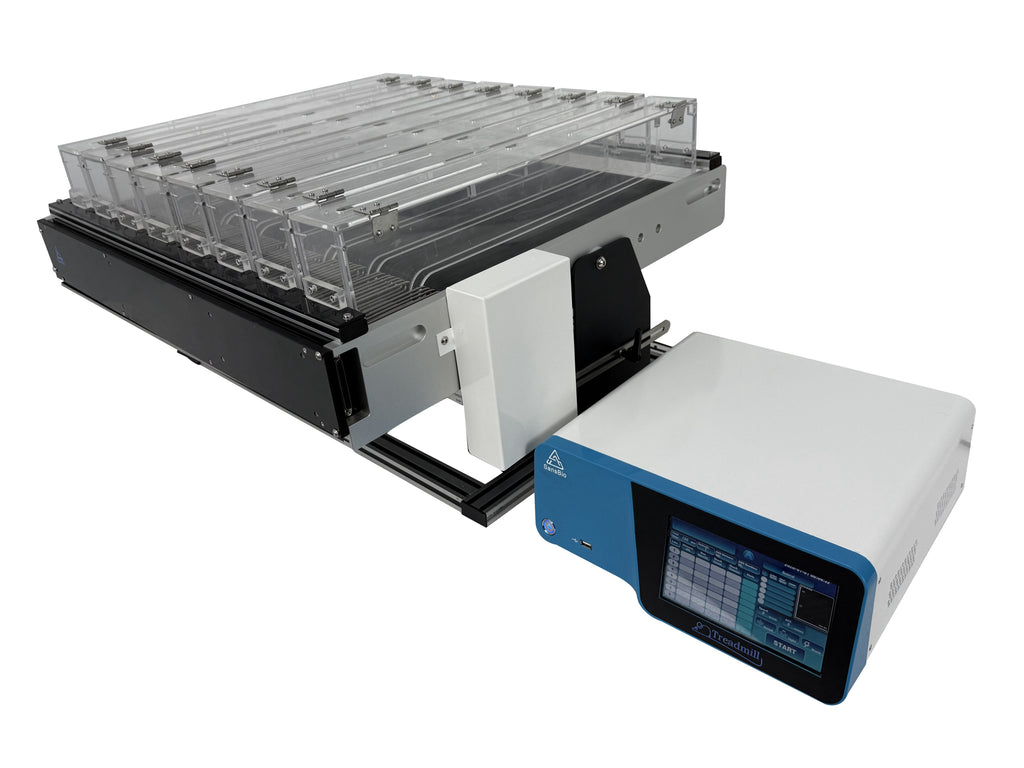
I bring this up because data—small, steady, stubborn—builds a story. A handful of trials can skew a study. Low sample sizes, noisy force sensors, and unclear protocols make conclusions shaky. So I like to pause and ask: how can we shape workflows that respect both the animal and the science? This article moves from that quiet question into practical notes. — let’s go deeper.
Deeper Layer: What Traditional Setups Miss
rodent treadmill systems often look simple: a moving belt, a speed controller, and a camera. But simple masks complexity. As I noted above, many teams treat the treadmill as a black box. They expect clean gait analysis and steady data acquisition without tuning sensors or confirming calibration. That gap creates hidden pain: subtle drift in speed, misaligned force sensors, or latency in closed-loop control that alters behavior. Look, it’s simpler than you think when you see the failures early.
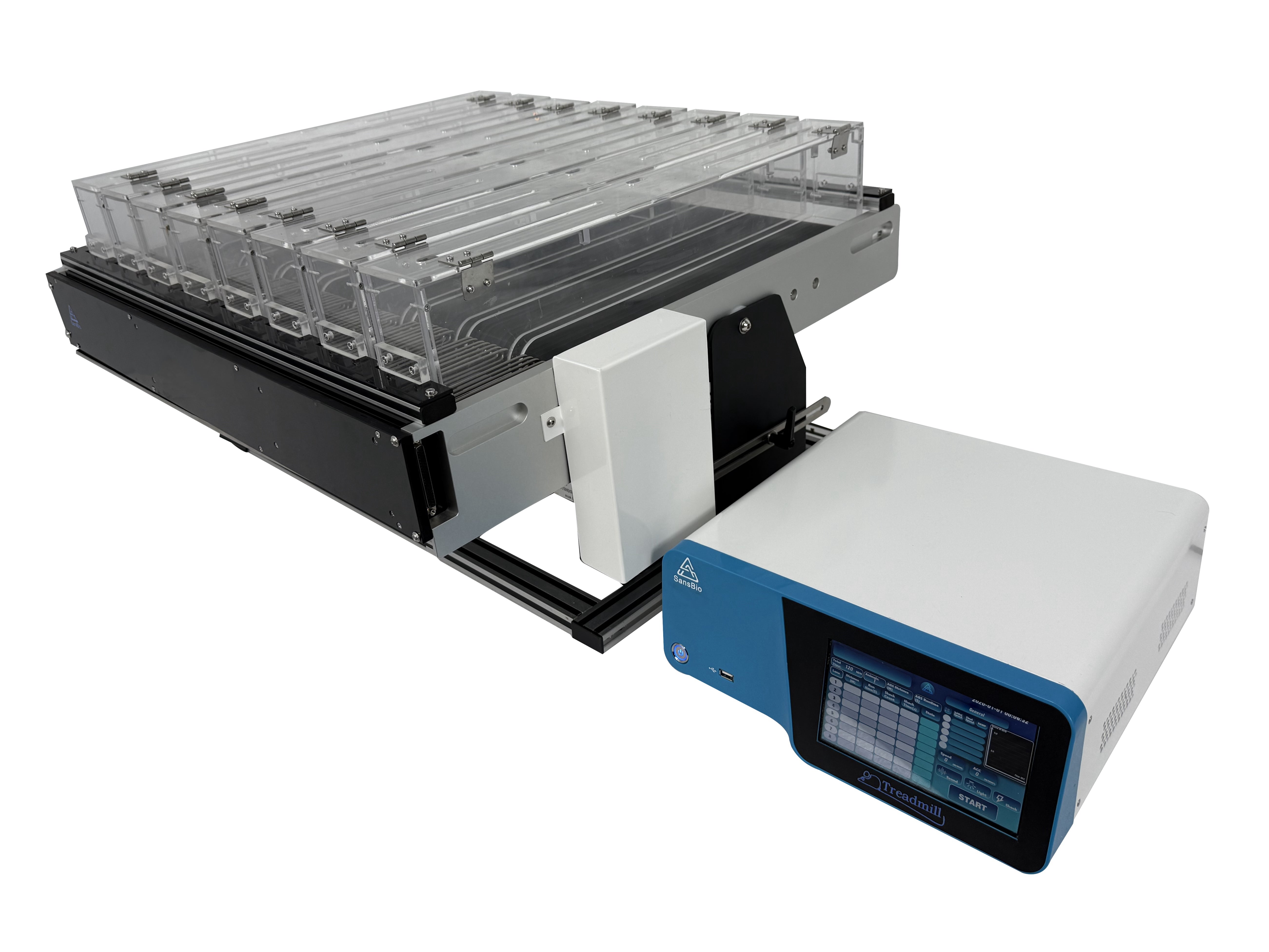
Why do these setups fail?
First, calibration is skipped. Force sensors drift. Second, feedback loops are assumed stable—yet motor control circuits and power converters introduce jitter. Third, user workflows ignore animal acclimation time, and that matters. I’ve seen studies where biotelemetry and motion capture were perfect, yet the mouse was stressed and moved oddly. We then re-ran trials with better habituation and the variance dropped. Those fixes are low tech but high impact—funny how that works, right?
What’s Next: New Principles for Better Results
Moving forward, I propose three guiding principles grounded in practical engineering and humane practice. First, design for repeatability: standardize belt calibration and include calibration logs in every session. Second, instrument for transparency: attach timestamps from the treadmill controller to your data acquisition stream so you can match force sensors to video precisely. Third, build human-friendly protocols: short acclimation steps and clear checklists reduce user error and animal stress.
Real-world impact?
When we applied these principles to a set of pilot runs on a rodent treadmill, variability fell, and throughput improved. We integrated simple closed-loop checks and added a quick sensor health test before each session. The payoff was measurable: fewer excluded trials, clearer gait metrics, and happier colleagues. In short, small systems thinking yields big benefits.
To help you evaluate options, here are three practical metrics I use when choosing or tuning a setup: 1) Calibration stability: how often do you need to recalibrate force sensors under typical lab conditions? 2) Data traceability: can you link every frame of video to controller timestamps and telemetry? 3) Animal baseline variance: does your protocol reduce behavioral variance after habituation? Use these as checkpoints.
We want reliable science and humane care. I’ve learned to trust simple checks and clear logs more than flashy features. If you want products or options, I’ve worked with gear that balances both needs—more on that another time. For now, start with these metrics and iterate. And if you look for practical tools, check BPLabLine for resources that match these principles.