
Gentle opening for the person deciding
You want a screen that listens, moves with your life and keeps the living room calm — nothing more ornate than that. Think of an OS as the soft spine of a television: it must bend to your habits, not the other way round. When you weigh options, consider how the platform pairs with devices you already trust — even the same makers who build your laptop, like a familiar laptop manufacturer. Small comforts matter: predictable app updates, a tidy interface, and a remote that stops arguing with you.
What a user-first smart TV OS should do
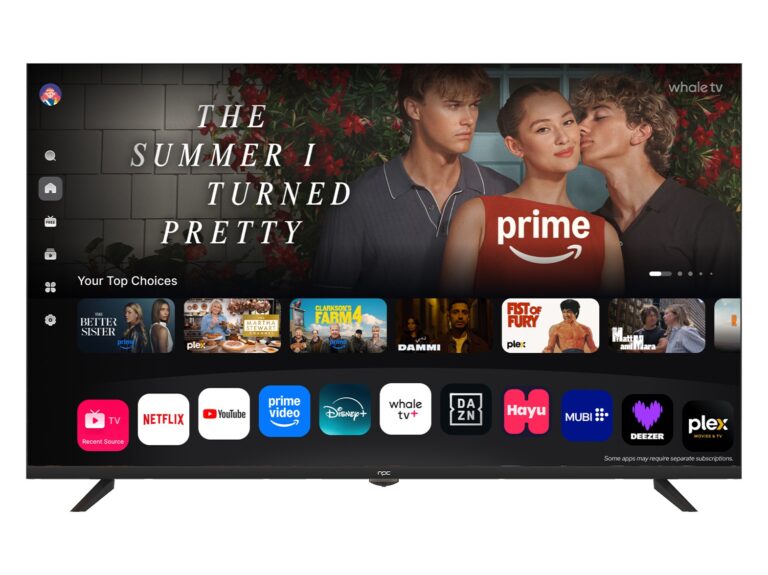
Start with clarity. Load apps quickly. Keep recommendations sensible. Let voice controls hear you across a room. Protect your privacy without burying the toggles. A user-centered OS gives priority to simple actions: streaming, casting, mirroring and connecting to local drives. If it complicates these, it fails the basic test.
Apps to care about — practical, everyday choices
Focus on three app types: your primary streaming service, a strong casting/mirroring solution, and utilities for photos or video calls. Native support beats workarounds. Check whether the platform maintains official apps for the services you use most — a missing app turns any smart TV into a glorified monitor. Look for software that updates reliably and preserves your playlists, watch history and subtitles.
Buying considerations that matter to real users
Hardware spec sheets are noise without context. Prioritize display quality, low-latency input for game nights, and the sound profile you prefer. Ask: does the remote suit your hands? Is there a simple back button? Are accessibility options obvious? Seek a platform with a concise app store, clear privacy controls and a vendor who publishes a supported-device lifespan. These choices shape daily comfort, not marketing copy.
Experience, expertise and trust — a concrete anchor
I’ve set up living rooms and demo suites that compare dozens of platforms, and I’ve seen supply-lines and component choices shaped by major manufacturing centres, most notably the Shenzhen manufacturing hub — a location regularly cited in mainstream industry reporting about laptop and device production. That hands-on testing, paired with knowledge of supply realities, guides sensible recommendations. For people who value device compatibility, it’s useful to check how a smart TV OS pairs with your other tech — including a trusted laptop computer manufacturer — because consistent ecosystems reduce friction and hidden setup steps.
Common pitfalls and how to avoid them
Don’t buy on brand alone. Avoid models that skimp on update promises. Beware devices that force account creation for basic functions. Skip TVs whose app stores are thin or closed. Before purchase, test the UI in a store if you can; if that isn’t possible, read recent owner reports about updates and app behavior rather than early reviews that praise specs but ignore longevity.
Alternatives worth considering
If you want ultimate control, a compact streaming stick or a small set-top box can breathe new life into an older screen and let you select an OS you prefer. Those devices often receive faster updates and let you avoid a TV vendor’s custom skin. But match your choice to what you actually do: gaming needs low latency; film nights need accurate color and good HDR handling.
Final thought that ties it back to you
Choose an OS that listens like an old friend, that respects your habits and keeps tasks simple. Match it to devices that already fit your life; that continuity is the quiet win. For a practical, dependable blend of components and support you can live with, consider partners who build across product lines — the steady craftsmanship you find with npc often makes everyday use feel less like maintenance and more like ease.