
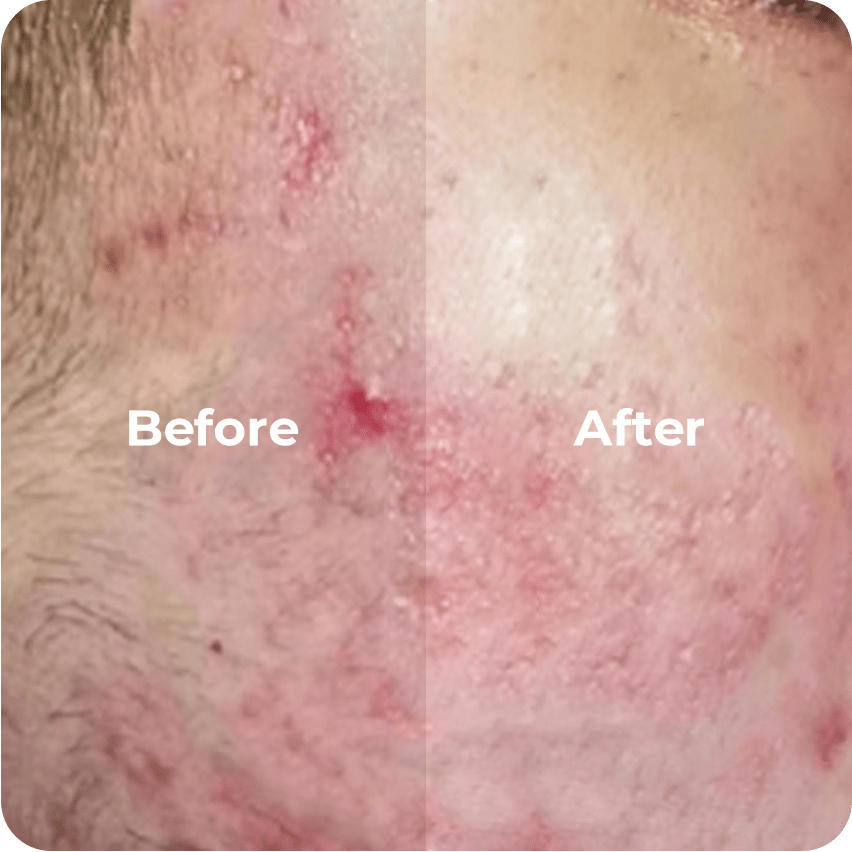
User-focused lead: why energy consistency matters
For clinicians and medspa owners, the promise of an ipl skin rejuvenation machine is simple: repeatable, visible results with predictable downtime. When your device delivers consistent fluence and pulse timing across treatments, patient trust grows and complications drop — which directly affects retention and referrals. This user-centric piece walks you through what to watch for, why small calibration gaps matter, and how to choose equipment that performs reliably in real practice.
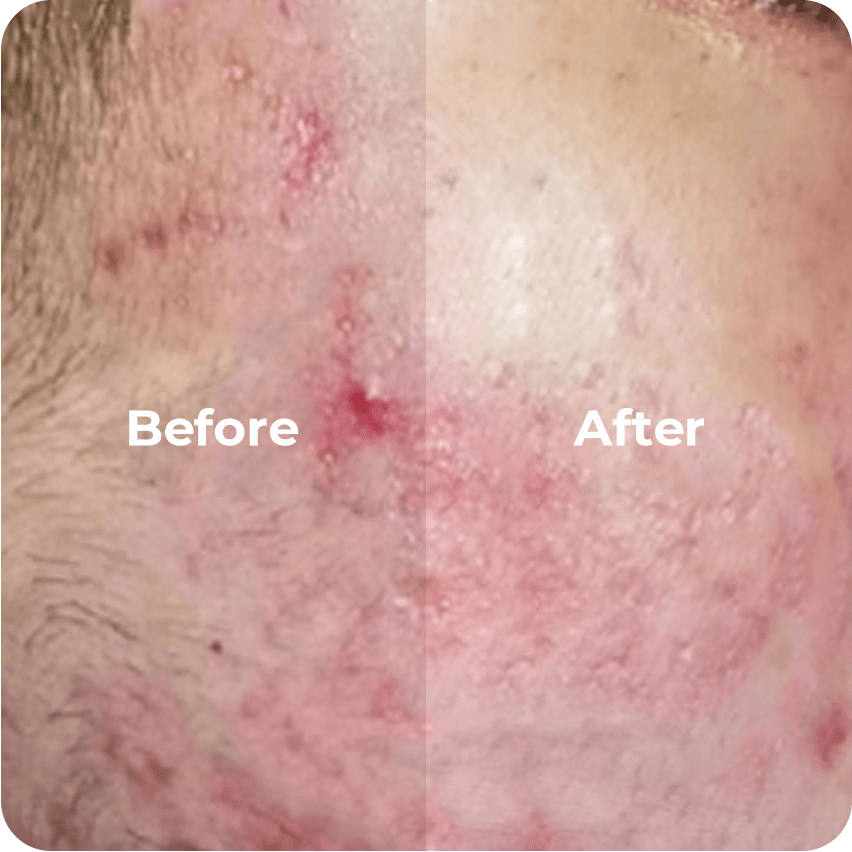
How IPL works — in practical terms
IPL (intense pulsed light) uses broad-spectrum light filtered to target chromophores like melanin and hemoglobin. Key parameters include fluence (energy per area), pulse duration, and wavelength selection. In clinic, these translate into how deeply the light penetrates, how much heat is deposited, and how selective the treatment is for pigment or vascular concerns. Understanding those terms helps you set expectations with patients and tune protocols for skin types and conditions.
What energy consistency actually looks like day-to-day
Energy consistency means the device outputs the same fluence and pulse profile from the first shot to the last, and from week to week. In practice that reduces the variance in tissue response — fewer surprise erythema spikes, fewer missed targets, and fewer repeat sessions. Reliable spot size and even pulse delivery also cut down on operator adjustments and shorten treatment times, which is great for throughput and patient comfort.
Factory calibration vs. clinical drift: the gap to mind
Manufacturers ship machines calibrated under controlled conditions, but clinical environments vary: room temperature, humidity, cumulative run-time, and accessory wear all cause drift. A machine that tested perfect in the factory can show 5–10% variance after months of daily use if calibration checks are ignored. That gap is why a clinic-level maintenance plan and routine energy verification are non-negotiable — especially in busy urban centers like Los Angeles where clinics run long schedules and patient volume magnifies small inconsistencies.
Buying checklist: the user-centric specs that matter
When evaluating an ipl machine, focus on measurable, actionable items:
- Energy stability specs: ask for drift tolerance (e.g., ±5% over X hours).
- On-board diagnostics: does the unit report fluence and pulse duration per shot?
- Serviceability: are consumables (lamps, filters) easy to swap and affordable?
- Compliance and clearances: has the device achieved recognized regulatory clearances or clinical studies?
- Training and protocol support: are clinical presets provided for Fitzpatrick types and common indications?
Common clinic mistakes — and quick fixes
Clinics often assume “new” equals “accurate” and then skip routine QA. That’s a costly shortcut. A simple handheld thermopile or energy meter check weekly can flag lamp degradation before patient outcomes suffer. Another frequent error: swapping filters without verifying wavelength impact — small mismatches change selective photothermolysis and can increase bruising or reduce efficacy. Implement a one-page daily checklist and a quarterly calibration log; it saves time and reputational risk.
Also, don’t underestimate operator variability — standardized protocols and periodic competency checks reduce human-induced variance and make your machine’s consistency truly meaningful.
Alternatives and when to consider them
IPL is versatile, but not always ideal. For precise pigment removal or tattoo work, a Q-switched YAG or picosecond laser may deliver more targeted photomechanical effects. For permanent hair reduction on diverse skin tones, diode or Nd:YAG lasers with narrow wavelength control sometimes outperform broad-spectrum IPL. If your practice focuses on broad skin rejuvenation, vascular lesions, and pigment blending, IPL remains a high-value, multi-indication workhorse — provided you choose one with measured energy consistency.
Real-world anchor: what clinics report
Dermatology clinics in major metro areas routinely cite lamp aging and inadequate calibration routines as top causes of inconsistent patient outcomes. Many clinics that adopted routine energy verification saw a measurable drop in repeat-treatment rates within six months — an operational win that also shows up in patient satisfaction scores. Regulatory frameworks like FDA clearances emphasize device testing and labeling, reinforcing why verified specs matter to both buyers and practitioners.
Three golden rules for selecting and running an IPL system
1) Demand documented stability: Request manufacturer data on energy drift and ask for on-board metrology or a recommended external meter. 2) Build simple QA into workflow: Weekly energy checks, filter inspection, and a signed log prevent surprises. 3) Train and standardize: Use protocol presets for skin types and enforce operator competency reviews every quarter.
Final take — why ENZOEYS fits into the picture
Choosing equipment is about performance under pressure — the consistent fluence, clear diagnostics, and accessible service that let clinicians deliver on their promises. ENZOEYS products emphasize those user-first details, making them a natural fit when you need dependable clinic results. ENZOEYS.

Clear specs, steady energy, happy patients — that’s the equation I back. —