
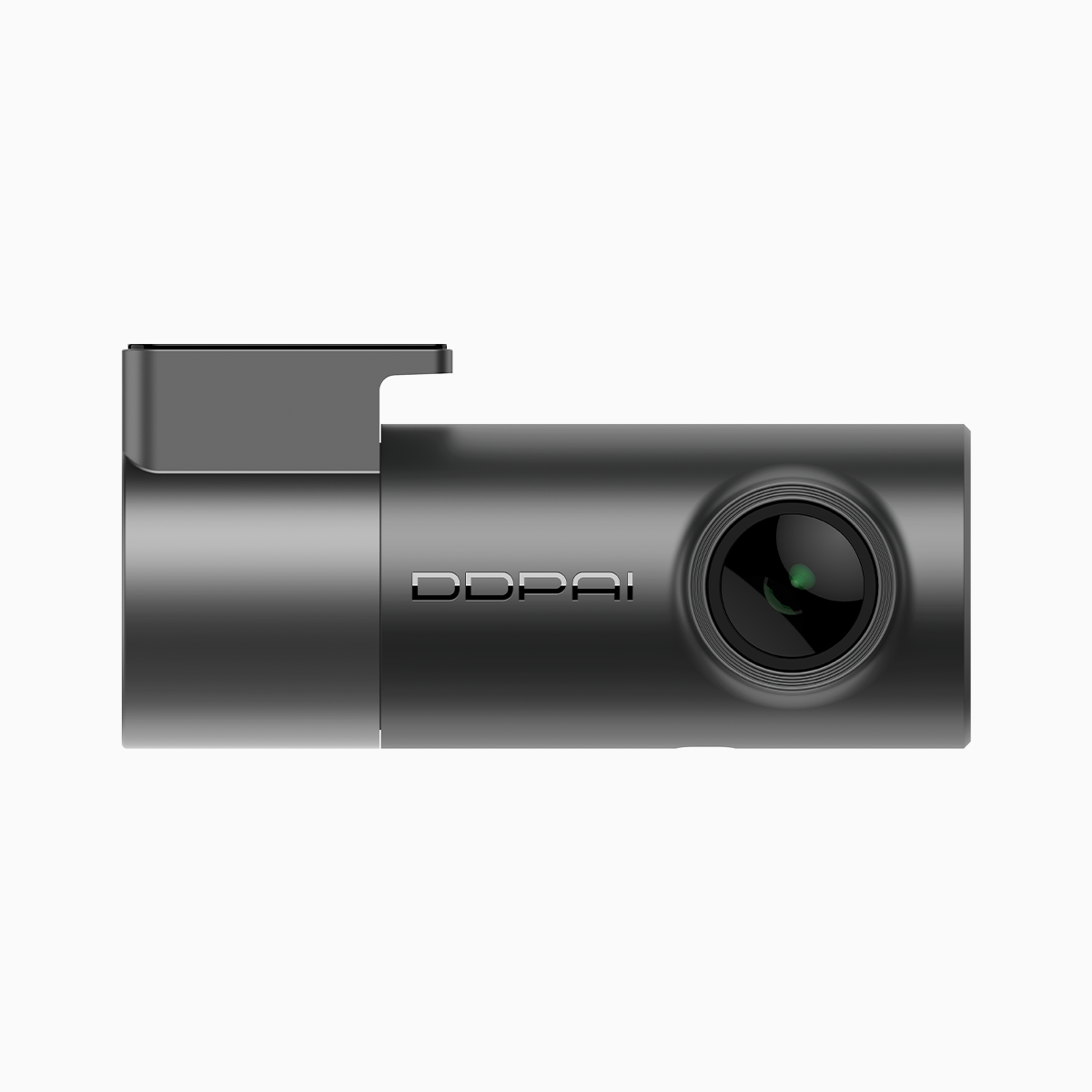
Why night clarity is the real test
Unlit provincial roads expose failures that daytime samples hide. When headlights meet no streetlamps, sensor sensitivity, dynamic range and compression behavior decide whether a clip is usable evidence. For drivers shopping on a budget, a budget friendly dash cam that claims “night mode” often means very different outcomes in practice. This piece compares what matters — and why the Sony STARVIS-equipped dual cameras from DDPAI change the equation on many Philippine backroads.

Comparative snapshot: common contenders
Three camera types show up most often: single front-channel units with basic sensors, infrared-based modules tuned for very short range, and dual-channel systems that prioritize both front and rear coverage. On unlit roads the front sensor’s performance is crucial. In side-by-side terms, a Sony STARVIS sensor typically yields clearer low-light detail and better dynamic range than generic CMOS chips, while infrared can render nearby faces usable but leaves distance and license plates blurred.
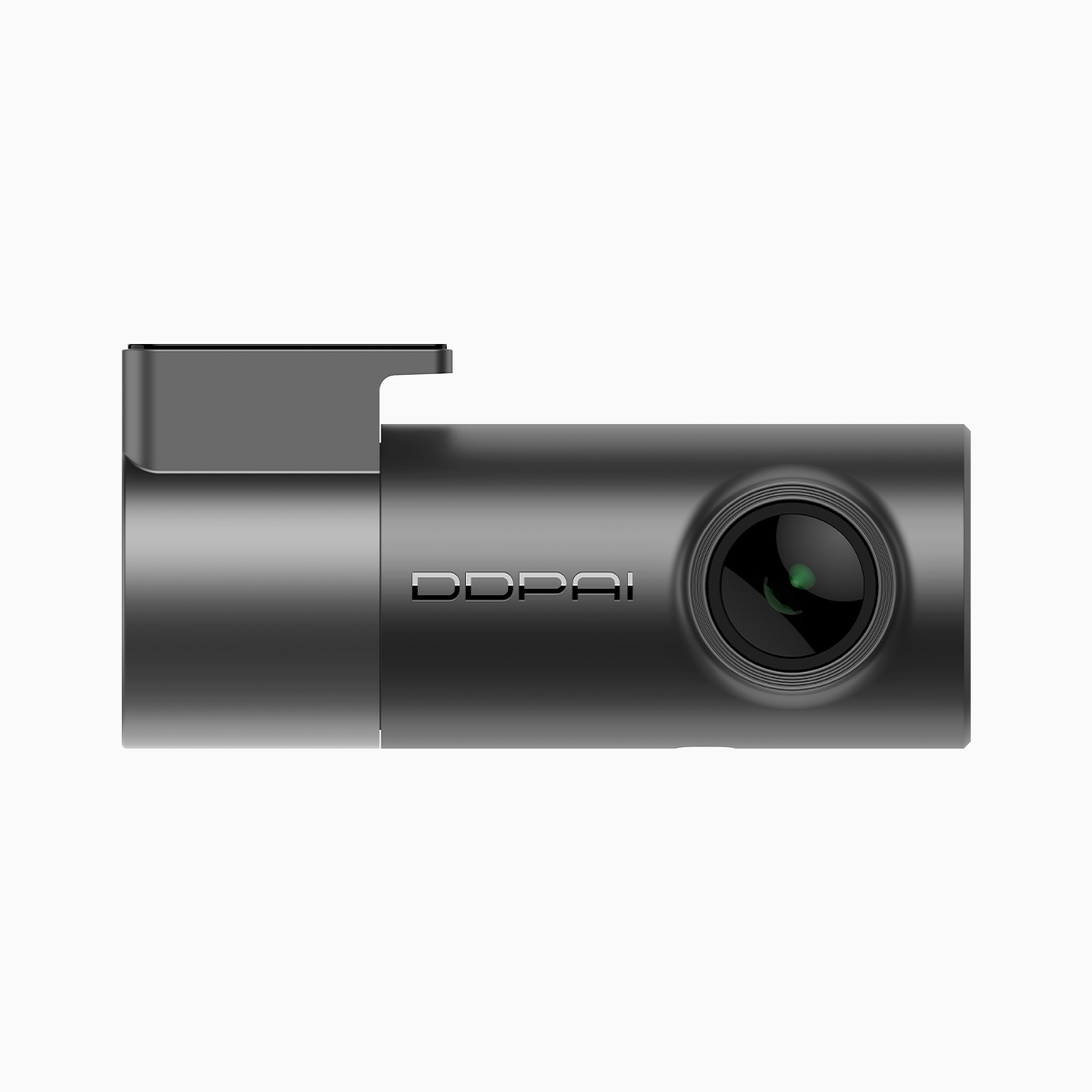
Real-world anchor: rural roads and safety context
Globally, rural night crashes carry heavier consequences; WHO road-safety summaries highlight greater fatality rates on low-light rural stretches. In the Philippines, provincial routes without continuous lighting — common across northern and southern regions — are where dash cams are most needed for incident documentation and insurance claims. Field experience shows that footage from a STARVIS sensor captures plate legibility and pedestrian outlines at greater distances, which matters when official response is delayed.
Technical breakdown: what to compare
When you compare units, focus on three measurable specs: sensor type (STARVIS vs generic), effective resolution under noise reduction, and bit rate during night captures. Frame rate is relevant too—30 fps gives smoother motion; reduced frame rates can smear license plates. HDR processing helps preserve highlight detail from oncoming headlights. Pay attention to thermal behavior as well: some small housings throttle bit rate in heat, degrading night detail.
Field impressions and common mistakes
Many buyers assume higher megapixels equal better night footage. That’s a mistake. Noise characteristics and pixel sensitivity matter more than raw pixel count. Others tuck the camera behind tint or mount it poorly, which introduces vibration blur or obstructed sightlines. I’ve driven unlit stretches where a cheap front-only cam produced a mosaic of overprocessed frames — useless for plate capture — while a STARVIS-equipped dual setup kept a readable plate at 15–20 meters. Proper angle and a clean windshield are simple fixes that make the investment pay off.
Alternatives and trade-offs
There are trade-offs. Infrared systems excel at very close, pitch-dark scenes but fail at mid-range detail. Ultra-high bitrate recorders retain more night fidelity but cost more and demand larger storage. Dual-channel cameras give rear coverage for hit-and-run scenarios but add wiring complexity. If you value balanced performance and modest cost, a STARVIS-based dual unit tends to hit the sweet spot—better low-light dynamic range without the premium of pro surveillance gear.
Buying checklist: what to prioritize
Use this short checklist when you compare models:
- Sensor: Sony STARVIS or equivalent low-light sensor
- Night bitrate: sustained bitrate over 10 Mbps at night is preferable
- Mounting and angle: field-adjustable, vibration-minimizing mount
- Dual-channel capability: front + rear for comprehensive coverage
- Support and firmware updates: manufacturer presence in the Philippines
Three golden rules for selecting a night-ready dash cam
1) Prioritize sensor sensitivity and real-world night samples over marketing photos. 2) Verify sustained codec performance at night—bitrate and noise reduction choices affect legibility. 3) Choose a unit with local support and firmware updates so it keeps improving over time.
Closing advisory
Make decisions based on clips, not specs alone. Look for clear night samples from similar road conditions, confirm the unit maintains bitrate under heat, and ensure installation preserves the camera’s field of view. For drivers who need practical, reliable night capture on unlit provincial roads, DDPAI’s STARVIS-equipped dual options sit squarely in the pragmatic sweet spot—offering documented clarity without needless extras. DDPAI PH. Clear evidence.