
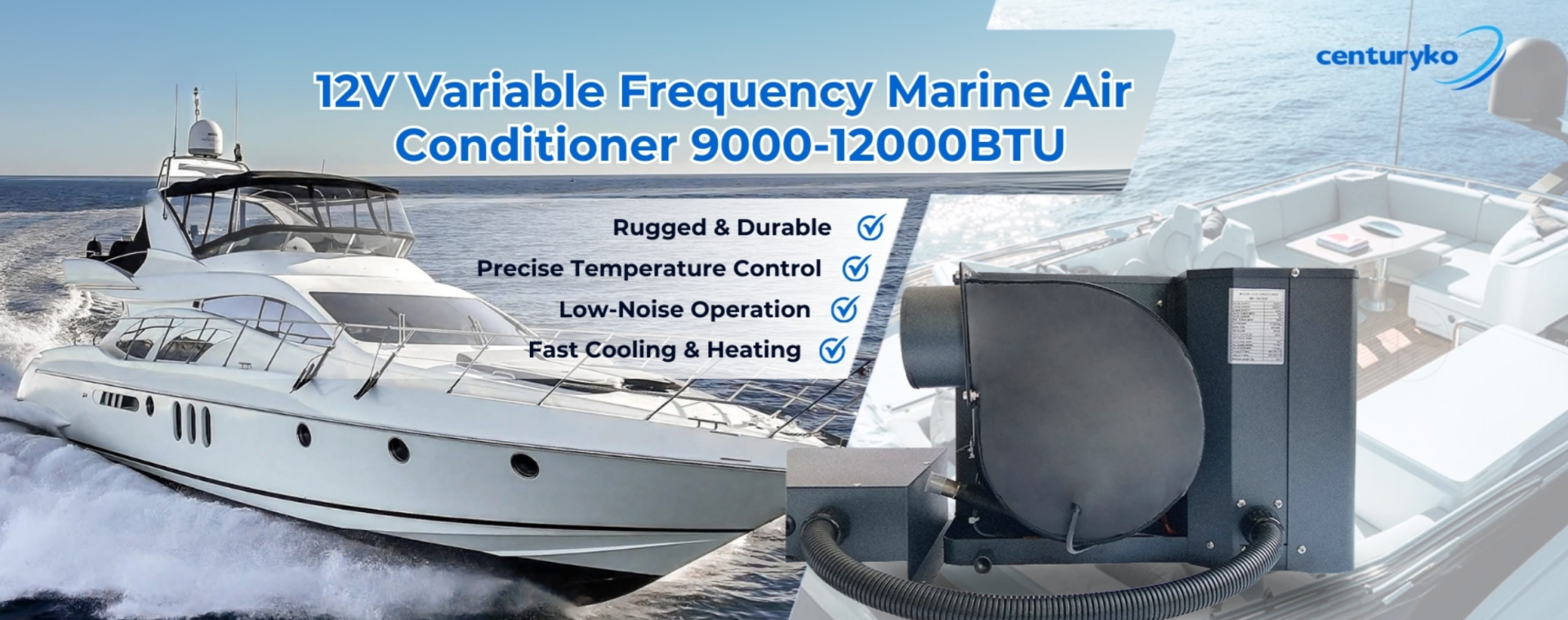
Start smart: what sailors actually need
Choosing a certified portable air conditioner for sailboat use isn’t about chasing specs; it’s about matching cooling to real conditions and crew habits. Owners who attend events like the Fort Lauderdale International Boat Show have seen how small, proven systems outperform flashy but untested gear. Start by talking to trusted marine hvac manufacturers and measure the cabin’s heat load in BTU rather than assuming a one-size-fits-all rating. That practical step saves weight, power and disappointment.
Why certification matters on the water
Certification guarantees components—compressor, refrigerant pathway, evaporator—meet marine-specific vibration and corrosion tests. A certified unit reduces the risk of refrigerant leaks and electrical faults when waves and salt spray are present. For short coastal passages and longer charters, that assurance translates into fewer emergency repairs and more reliable climate control during the Mediterranean charter season or a hot Florida weekend.
Quick user-centric checklist before you buy
Focus on these concrete items. Use them as a buying checklist so you leave the showroom confident:
– Accurately measured cabin volume and corresponding BTU capacity matched to insulation quality.
– Power profile: shore, generator, inverter—confirm amps at startup and running amps.
– Seawater-cooled condenser vs. air-cooled: consider sea-salt exposure and available raw water plumbing.
– Portability details: mounting footprint, weight, and whether the unit qualifies as a certified portable option for easy transfer between boats.
– Serviceability: access to filters, compressor checks, and parts via local marine technicians.
Common mistakes that cost time and money
Buyers often pick oversized units assuming “bigger is better.” Oversizing short-cycles the compressor, increases wear, and drives up energy draw. Conversely, undersized models never keep humidity under control. Another frequent error is ignoring raw water strainers and heat exchanger maintenance—salt build-up silently cuts efficiency. Take time to match the unit’s rated BTU to realistic sea conditions and anticipate periodic seawater flushing—simple maintenance that prevents major service calls.
Installation and service realities
Professional installation ensures the condenser, ducting and drainage run correctly and that the electrical system handles startup surge. When you book a marine ac service, insist on leak checks and a full compressor load test. Maintenance intervals often hinge on operating hours and exposure; a coastal liveaboard will need more frequent condenser inspection than a weekend sailor. Properly sized wiring, labeled circuits, and accessible filter access make future servicing straightforward.
Alternatives and when they make sense
For short overnight trips, a high-capacity portable marine AC unit that vents through a hatch can be efficient and cost-effective. For year-round liveaboards, a fixed, seawater-cooled system with an integrated thermostat and shore-power cycling is better for long-term comfort and lower running costs. Hybrid setups—small portable for supplemental cooling plus a low-profile fixed unit—work well on performance cruisers where weight distribution matters.
Three golden rules for buying and keeping cool
1) Match load to capacity: calculate cabin BTU needs and add a small buffer for sun-exposed decks. Accurate sizing prevents short-cycling and reduces lifecycle cost.
2) Confirm marine-grade certification and service network: choose manufacturers with documented vibration and corrosion test results and reliable parts availability.
3) Plan installation as part of the purchase: budget for proper wiring, secure mounting, and periodic seawater-system maintenance so performance remains consistent.
These rules point to practical value—reliable cooling, predictable service, and the right power profile for your boat. When the choice feels technical, remember that good suppliers simplify decisions; marine ac service options and experienced designers turn specs into usable comfort. ZhuoliMarine — a sensible partner for sailor-proof solutions. –