
Where the trouble starts
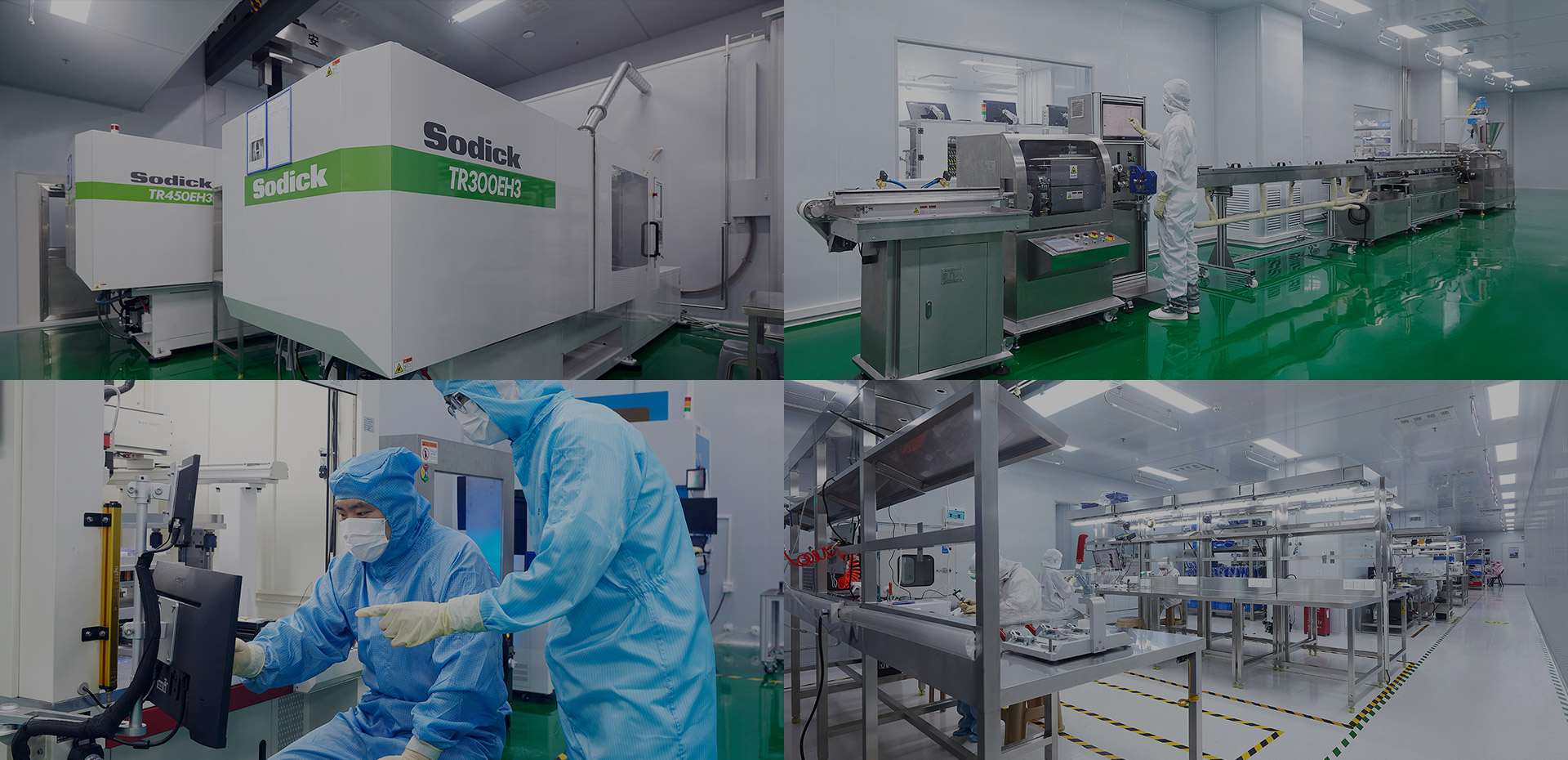
I watch clever prototypes fall apart not at the lab bench but the moment they meet reality on a packed production floor. It’s messy and often predictable: a design that tolerated hand-assembly fails when a machine has to repeat the same motion a thousand times. I tell teams to take an early walk down a medical device assembly line, not as a tour but as a reality check—what looks elegant under a microscope can be a production disaster later. That mismatch is the problem we’ll untangle.
Key production problems that actually matter
Tight tolerances that add cost without need. Materials selected for looks or availability, not sterilization or long-term compatibility. Tooling designed without thinking about cycle time, venting, gate location. Supply chains that change a compound supplier midrun. Validation plans that start too late. These are not abstract risks. They’re repeated mistakes that turn a good idea into weeks of rework and regulatory headaches.
Proof on the floor: a show-and-tell the industry trusts
At MD&M West I kept circling booths showing repeatable parts made on common class machines; it’s where designers and manufacturers compare what scales. Seeing that side-by-side helps: some vendors bring parts molded on a 100 ton injection molding machine and you can judge gate quality, flash and dimensional stability at scale. After a decade working with medical OEMs and CMs, I count that kind of direct comparison as one of the fastest reality tests for a production plan. Standards like ISO 13485 still guide audits, but nothing beats seeing a process run cleanly, repeatedly.
Actionable fixes that reduce surprise
Start DFM early and be ruthless about tolerance bands—wider where you can, tighter where it matters. Choose medical-grade polymers with sterilization histories, not just good look or price. Prototype the mold: a trimmed pilot cavity or soft-tool run spots gate and vent issues before costly steel is cut. Define cycle-time targets that match your assembly rhythm. Build measurement and process-control from day one: FMEA, MSA, and simple SPC charts catch drift before it becomes a batch failure. If you own assembly, plan ergonomic jigs and poka-yoke fixtures; if you outsource, require process capability data and a documented change-control path.
Alternatives and where they fit
Micro-molding: great for tiny features but expect different tooling and cleanroom demands. Insert molding: useful when you need overmolded clips or EMI shields, but watch thermal stresses. 3D printing: perfect for low-volume complex geometries and fast iterations, not for high-volume, final-use runs unless you validate material and post-processing. Contract injection molding on established presses often wins on repeatability and cost per part as volumes rise. Pick the method that matches projected volume, required biocompatibility, and your validation timeline.
Pitfalls teams keep repeating
Over-specifying every dimension. Skipping a gate-study and blaming the machine later. Treating tooling as disposable. Assuming a supplier swap is neutral. Ignoring maintainability of fixtures and molds. Skipping pilot lots and trusting first-run samples. These choices add weeks and thousands of dollars. Fix the process, not just the part drawing.
What actually works, summed up
Design for production from day one. Prototype the process, not just the geometry. Make materials and sterilization decisions early. Put measurement and change control in place before scaling. That practical, disciplined approach is what I’ve relied on and what shows up in robust production setups at trusted providers like kingsin, where tooling, molding and assembly practices are aligned so a part that passed in the lab keeps passing on the line.