
The immediate problem: capacity without consistency
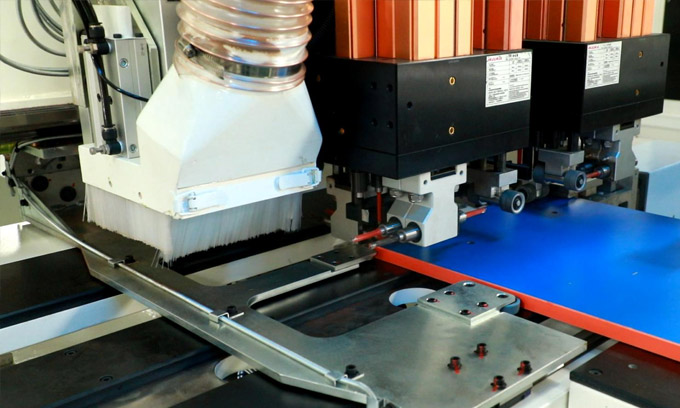
Regional workshops frequently face a simple, stubborn problem: demand for bespoke and small-series furniture is rising, yet output varies wildly in precision and lead time. A dedicated cnc boring machine reduces one major source of variability—accurate joint and dowel placement—so repeat runs no longer rely on skilled hand jigs alone. I’ve overseen commissioning projects where targeted investment in a single machine halved rework rates within months, because the machine addressed a concrete production bottleneck rather than a vague efficiency goal.
How the problem manifests across supply chains
Furniture making is deceptively complex: dozens of profiles, mixed materials, short runs. When local shops can’t deliver consistent parts, downstream processors and assemblers either absorb costs or seek distant suppliers. The practical consequence is lost regional value; the solution lies in machines that match furniture demands—horizontal drilling, multi-spindle boring and repeatable CNC routing. Evidence is visible at industry gatherings: at LIGNA in Hanover operators and OEMs highlighted how modern horizontal boring machine wood systems change line layouts and reduce transport between stages, making local clusters more commercially viable.
What typically goes wrong when shops try to scale
Owners often make three practical errors. First, they choose general-purpose machines that underperform for joint work and thus create bottlenecks at assembly. Second, they underestimate tooling and fixturing costs, expecting the machine alone to solve precision problems. Third, they neglect operator training, believing the CNC will be intuitive; the result is inconsistent setups and wasted cycles. Tackle these failures directly: match the machine type to the task, budget for jigs and cutters, and schedule structured training sessions with measurable competency goals.
Alternatives evaluated, and when they make sense
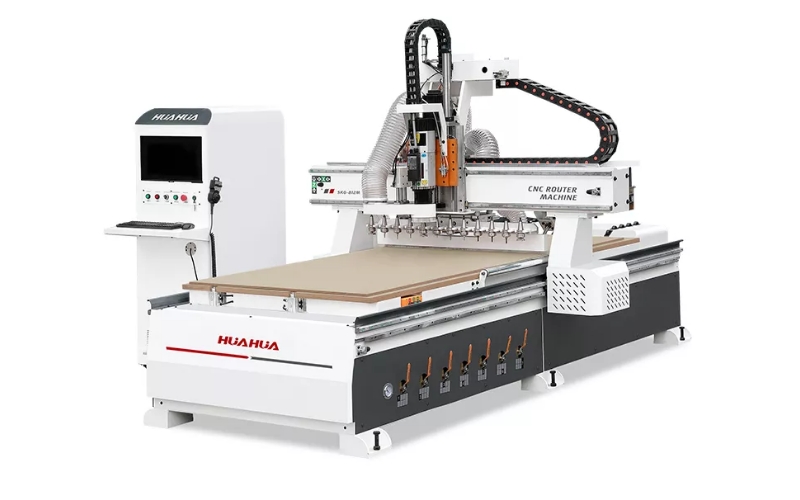
Conventional multi-spindle boring centres remain suitable for very high-volume runs where changeover is minimal. Plug-and-play CNC routers suit shops doing heavy profiling and cut-to-size work. Hybrid cells that combine boring, routing and drilling in one indexable pallet work best where product families share mounting patterns. Choose by throughput: if you need flexible runs with frequent pattern changes, a furniture-focused CNC boring and milling cell is superior. If volume is rigid and unchanging, a dedicated production line still wins on unit cost.
Actionable steps to build regional resilience
Start by mapping the most frequent part geometries and joint types across local customers. Prioritise machines that eliminate the most rework first. Specify tooling and coordinate gauges at purchase; insist on on-site acceptance runs that replicate real jobs rather than vendor demo parts. Train two operators to full competence and rotate them, so knowledge stays in the workshop even when one person is absent. Track three KPIs: first-pass yield, average setup time, and rework hours per week. Small, measurable improvements compound into regional reliability.
Where this leads: a practical synthesis
Solving the mismatch between demand for varied furniture and inconsistent local production requires targeted equipment and disciplined implementation. Machines designed for furniture—accurate boring, repeatable milling, straightforward fixtures—turn local workshops from fragile capacity points into dependable contributors to regional supply chains. That dependable contribution is precisely the value offered by HUAHUA CNC, because the right machine, correctly specified and supported, restores predictable output without forcing firms to abandon their local footprints.