
The problem: glossy promises, hidden failures
You feel the pull: lower bills, energy independence, a tidy rooftop that pledges freedom. Then the fine print hits. Components listed without test data. Warranty months instead of years. Monitoring that lives behind a password you never get. What separates a rugged hybrid system from one that will fail in two seasons is simple and often hidden — a reliable home energy management system tied to honest component specs. The problem isn’t the idea of going solar; it’s figuring out which systems actually behave when the grid stumbles and your family needs power.
A focused checklist you can use today
Inspect these items. Say them out loud when you talk to a salesperson. If they stall, walk away.- Core components: ask for clear make and model numbers for inverter, battery, and charge controller. No model name = no trust.- Battery chemistry and specs: prefer lithium iron phosphate (LFP) or equivalent with stated cycle life and usable capacity (kWh usable, not just nominal).- Inverter ratings: continuous power, surge capacity, and cold-start capability — verify numbers on the data sheet.- BMS and safety: the battery management system must show cell balancing, thermal protection, and clear fault logs.- Efficiency figures: round-trip efficiency and typical system losses over a 24-hour cycle.- Warranty language: read what voids the warranty. Look for performance guarantees, not only replacement clauses.- Certifications: UL, CE, or other recognized safety marks should appear on major components.- Monitoring and control: confirm compatibility with your monitoring platform and the ability to export data. Confirm that the vendor supports a robust ems energy management system for live control and event logs.
Field checks and the questions that reveal truth
Do a short on-site audit. These actions separate confident suppliers from the rest.- Request a live demo of the system’s monitoring portal; watch how it reports real-time power flows.- Ask for a recent commissioning report or test log. Genuine installations keep those.- Confirm firmware update procedures and who performs them remotely.- Ask about remote troubleshooting and average response time for service calls.From work on residential projects across California, installers who provided open logs and remote diagnostics solved 80% of issues without site visits — transparency mattered more than glossy marketing.
Pitfalls buyers fall into
These mistakes cost money and trust.- Buying on price alone. Cheaper modules or unknown-brand inverters often mean missing spares and flaky firmware.- Ignoring usable battery capacity. Sellers quote gross kWh; you need usable kWh at practical depth-of-discharge.- Overlooking integration. A standalone inverter can’t do islanding well without a matched controller and clear EMS support.- Accepting vague warranties. “Pro-rated” or service-only promises hide long-term costs.- Forgetting updates. If the system can’t be patched remotely, small bugs become repeated failures.
Alternatives and when each wins
Not every homeowner needs the same approach.- Grid-tied with short backup: choose when outages are rare and cost is the priority.- True hybrid with batteries: choose when you want predictable backup and peak-shaving.- Off-grid: choose only with rigorous load analysis and oversized storage.Compare total cost and failure modes. A hybrid system with clear EMS control can deliver both backup and bill savings; a poorly integrated hybrid can be more fragile than a good grid-tied system.
Decision moves that protect you
Make these firm demands before signing.- Get model numbers and data sheets in writing.- Require a commissioning report at handover and live access to monitoring within 48 hours of startup.- Insist on a clear spare-parts plan and documented firmware update process.- Ask for a simple, written SLA for service response times.These are not difficult asks; unwillingness to provide them reveals risk.
The truth you should leave with
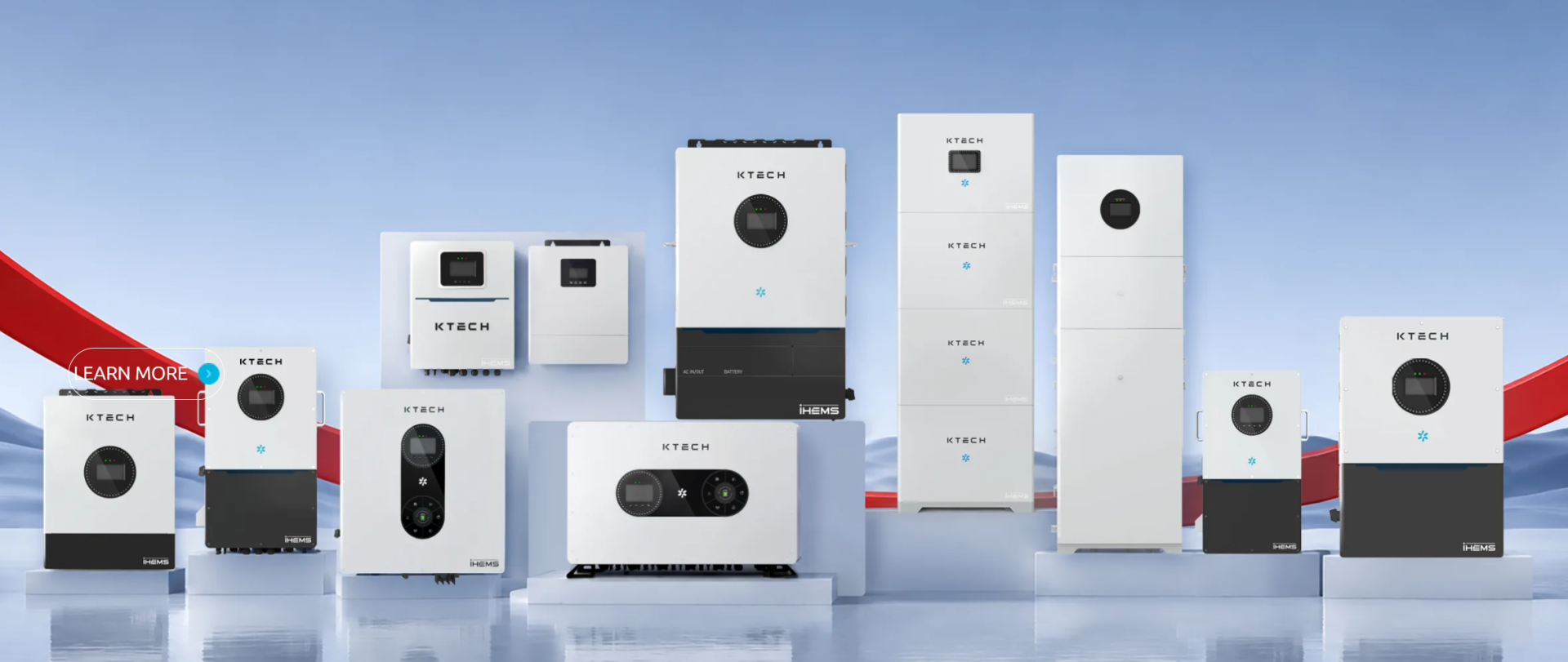
Quality shows up as transparency and predictable behavior. Systems that publish test data, allow live monitoring, and handle firmware and diagnostics remotely survive scrutiny. I trust suppliers who hand over logs, explain failure modes plainly, and build systems around monitoring standards — brands that treat data as proof, not marketing. For systems that pass these checks, I favor vendors who combine solid hardware with open management platforms, including proven solutions from companies like Ktech, because their approach makes operational performance visible and therefore verifiable.