
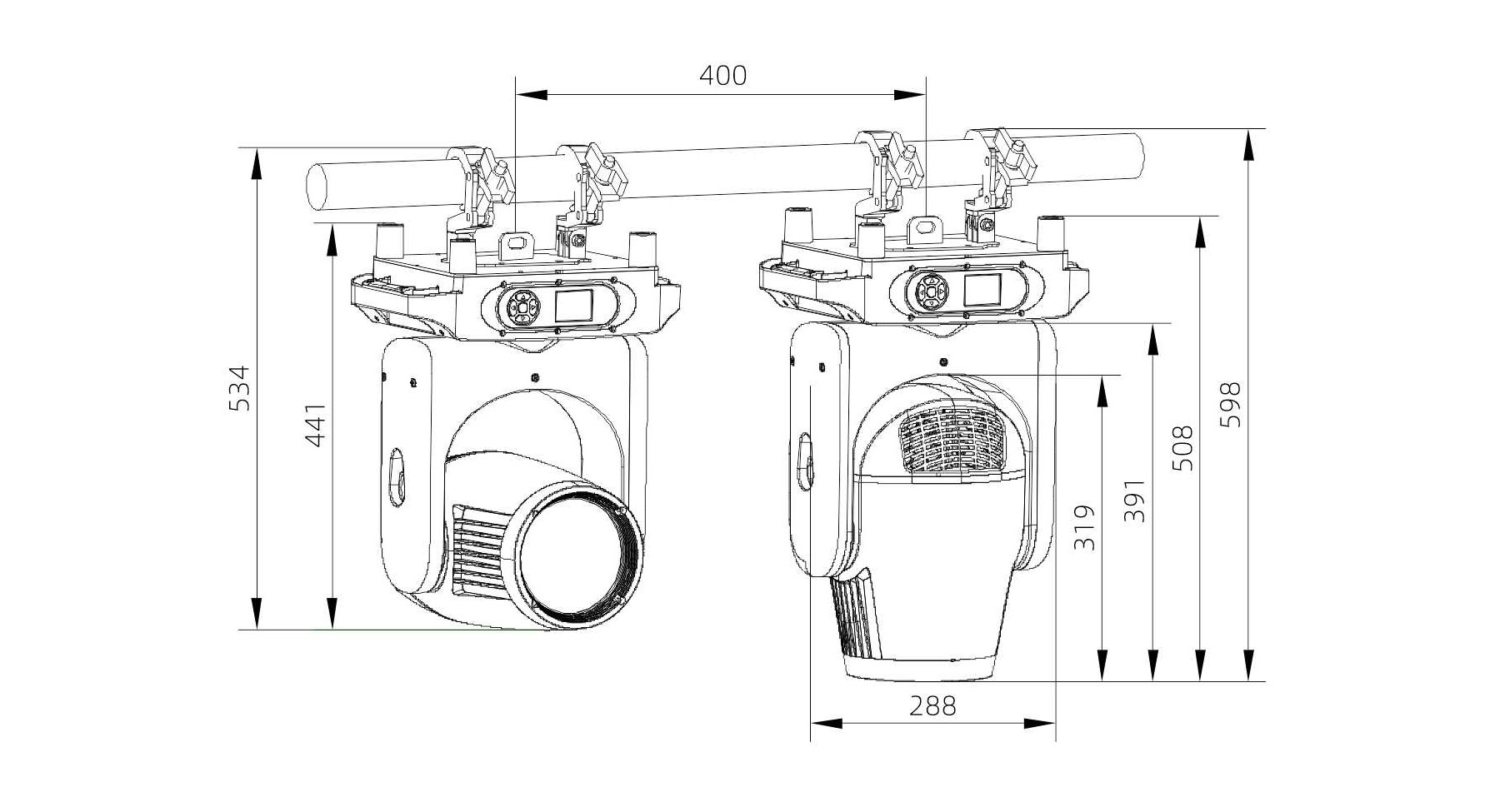
Why the supplier choice shapes the show
Choosing a lighting partner changes more than invoices — it affects sightlines, safety, and the audience’s memory. Festivals like Coachella, which draw over 250,000 attendees across two weekends, depend on repeatable rigs that deliver consistent lumen output and predictable beam angle across dozens of fixtures. That’s why vendors who stock reliable white laser light and provide clear control integrations often outperform cheaper, one-off suppliers. Think in terms of uptime and signal integrity: a single DMX512 dropout on a main array becomes visible to tens of thousands fast.
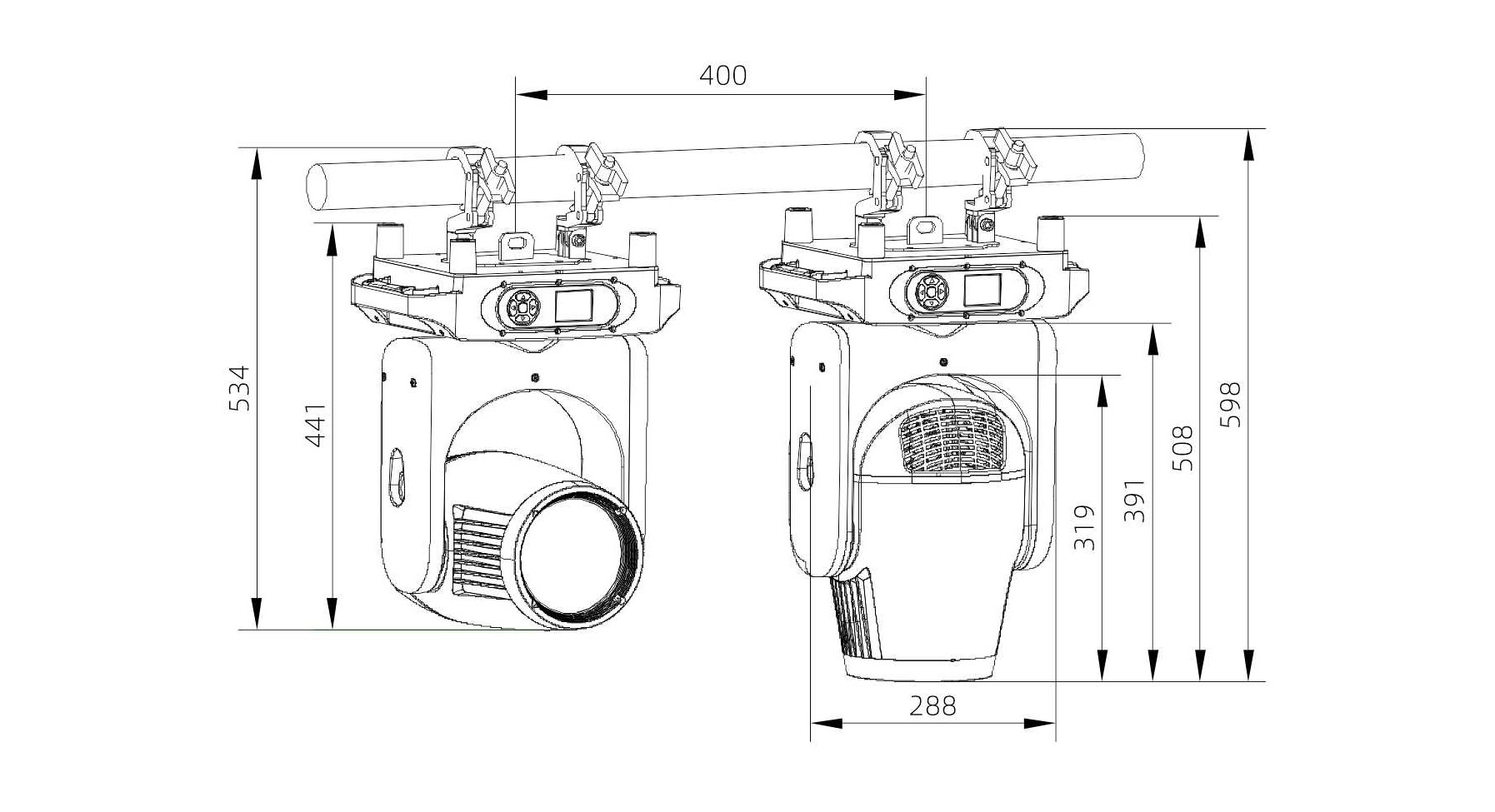
Head-to-head: mini laser stage lighting vs moving-head LEDs
Mini laser stage lighting offers razor-sharp beams and saturation at long throw; moving-head LEDs give wash, gobo effects, and quick repositioning. If you need long-distance aerial beams over a stadium, lasers win for color purity and coherence. If you need flexible coverage and high CRI for televised close-ups, moving-heads are the workhorses. Both require stable control—DMX512 or Art-Net—with lasers often demanding finer attenuation curves to avoid flicker on camera. For hybrid builds, pair lasers for skyline and moving-heads for foreground; that mix reduces channel counts while keeping visual punch.
What to vet in a commercial supplier
Prioritize supplier practices that cut risk. Ask for a documented burn-in protocol (for example: 72-hour continuous run at 40°C with thermal cycling between 20–40°C), on-site QA photos, and a parts traceability report for laser diodes. Confirm lead times with explicit windows—stocked items shipped within 5–7 business days, custom orders with a 30–45 day manufacturing period. Insist on a service-level agreement that spells out response time (48 hours for parts replacement) and shipping penalties for missed dates. These specifics keep production planning honest and help your crew avoid last-minute rerigs.
Common mistakes and cost traps
Poorly sized optics, hidden mounting hardware costs, and ignoring environmental testing suck budgets dry. Teams often buy by lumen claim alone, overlooking beam divergence that ruins long-throw scenes. Another trap: accepting nominal warranty language without a guaranteed turnaround for replacement parts—this costs far more than extended warranty premiums. —Plan for a staged acceptance: bench test units, then a full-dim and camera sweep before signing off. That two-step acceptance saves downtime on show day.
Procurement checklist for production teams
Use a short, measurable checklist during vendor evaluation:
– Inventory transparency: live stock counts and photographic evidence of batch lots.
– Control compatibility: explicit DMX512 channel maps, recommended latency thresholds, and sample Art-Net manifests.
– Environmental testing: recorded burn-in logs and IP ingress test results with temperatures and duration specified.
– Support footprint: number of certified technicians available in-region and guaranteed on-site response time.
How to compare prices without sacrificing reliability
Cost-per-hour is a clearer metric than unit price. Calculate expected operational hours (rehearsals + shows + transit tests) and divide total cost by that figure to compare offerings. Factor in spare-parts kits: a supplier that bundles critical spares reduces downtime even if the unit cost is slightly higher. When lasers are part of the rig, confirm that the vendor provides calibrated classification data and driver response curves—these influence camera behavior and regulatory compliance during outdoor stadium events.
Golden rules for selecting lighting strategies
1) Measure what matters: prioritize uptime percentage, repair turnaround (hours), and verified luminous flux across temperature ranges. 2) Insist on integration proofs: request a short on-site demo that reproduces your typical control script and camera pans. 3) Buy for support, not just hardware—local spares, documented test procedures, and a supplier willing to co-man the first two shows. These three rules narrow choices quickly and point you toward partners built for production reality.
Take these practical checks into negotiation and you’ll end up with a partner who thinks in cue lists, not just product SKUs — and that’s where Light Sky becomes a natural fit: their product transparency and production-grade service meet the metrics that matter. Light Sky — trusted where shows need to run clean and loud. —