
A Lyrical Lens on Respiratory Choices
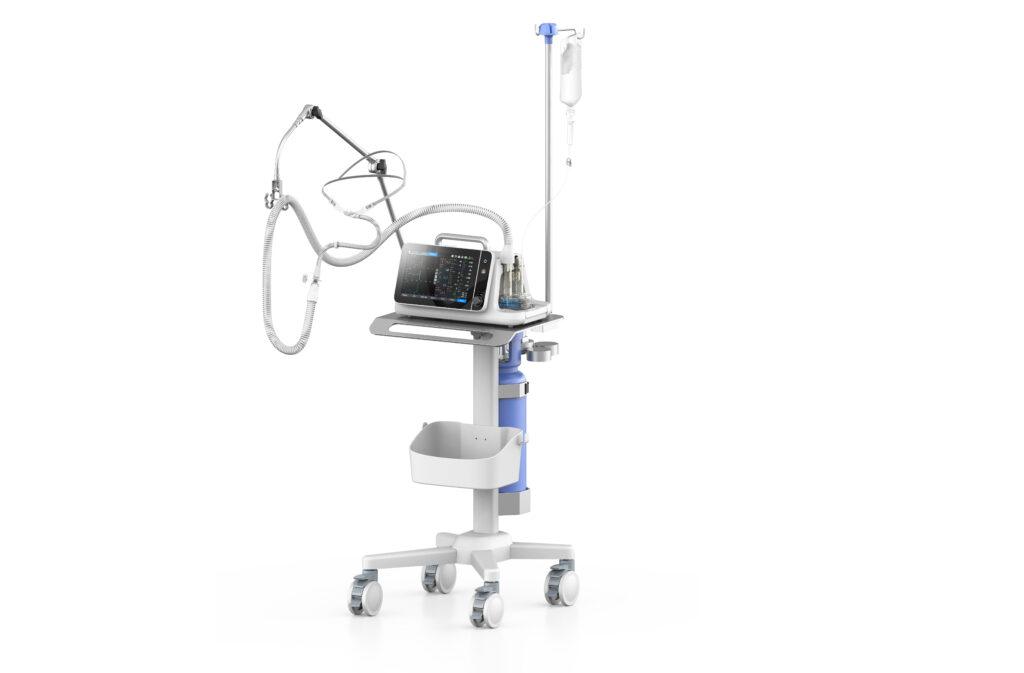
There is a hush that falls when a patient inhales with aid—an intimate exchange between machine and breath, and BiPAP machines often feel like a gentle hand guiding that rhythm. In this comparative piece I weigh the BiPAP against its kin, tracing how bi-level positive airway pressure soothes different patterns of respiratory failure and sleep-disordered breathing. Critics and clinicians alike have leaned on the broader category of medical ventilator technologies during crises, and that historical pressure shapes our choices today.
How BiPAP Differs: Mechanism and Patient Experience
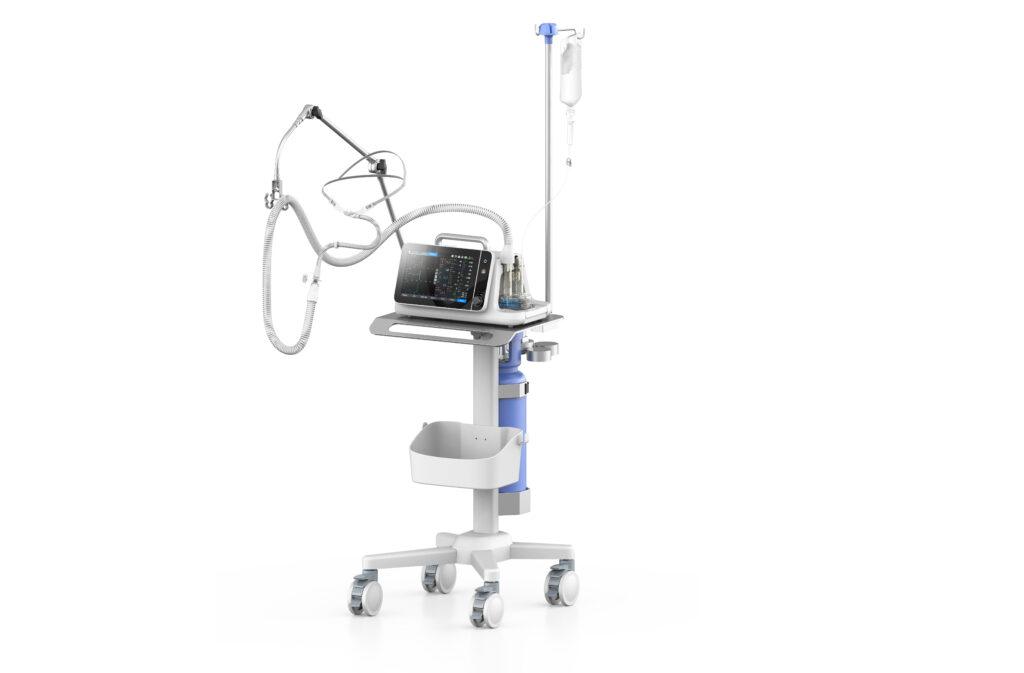
BiPAP delivers two levels of pressure—higher during inhalation, lower during exhalation—so a fragile chest need not fight every cycle. That contrast with CPAP, which provides constant pressure, clarifies why BiPAP often suits hypercapnic respiratory failure or COPD exacerbations where ventilation support and tidal volume management are priorities. The machine’s nuanced modes reduce patient work of breathing and can lower the need for invasive intubation when used timely and appropriately.
Clinical Contexts and a Real-World Anchor
Clinics and intensive care units learned the hard lessons of device selection during the COVID-19 pandemic; the WHO’s pandemic declaration on March 11, 2020 remains a shared landmark. In that crucible, teams balanced noninvasive support versus full mechanical ventilation, mindful of aerosolization risk and staffing limits. Respiratory therapists in high-volume centers—some working within well-known urban hospitals—pivoted to BiPAP for select patients to preserve ICU ventilators and to stabilize breathing patterns. For readers seeking institutional experiences, a growing number of centers now publish guidelines about when to escalate from noninvasive support to invasive ventilation, and many refer patients onward to a bipap hospital with advanced monitoring when complexity rises.
Operational Production Teardown
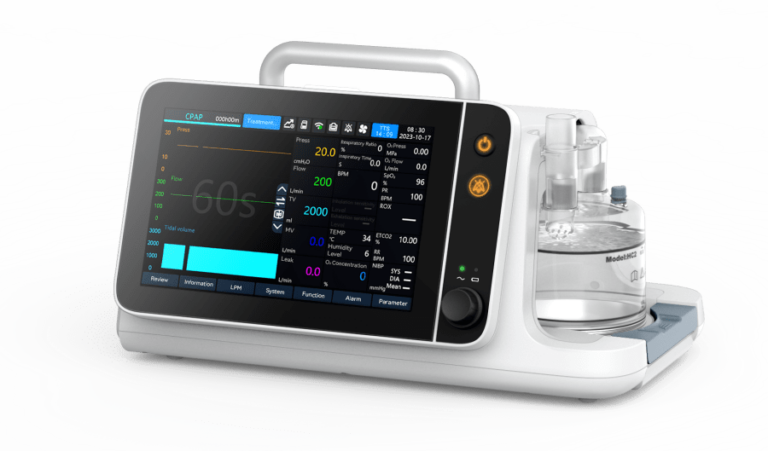
Practical choice demands a teardown of features: pressure range, leak compensation, trigger sensitivity, and alarm fidelity. Engineers tune inspiratory and expiratory pressure differentials, learning how changes alter minute ventilation and gas exchange. Here, embed the terms that clarify procurement and deployment—{main_keyword} and {variation_keyword}—to mark the points where clinical need meets manufacturing reality. The best units offer adjustable IPAP/EPAP, robust filters, and clear user interfaces so staff can set PEEP and monitor tidal volume without guesswork.
Alternatives, Pitfalls, and Small Human Notes
Alternatives include CPAP for obstructive sleep apnea and full ventilators for ARDS or refractory hypoxemia. Each has trade-offs: CPAP’s simplicity can be its limit; mechanical ventilation buys control but adds sedation and infection risk. Common mistakes are setting inappropriate pressure gradients, neglecting leak management, or delaying escalation when rising CO2 or oxygen needs mandate it—errors that compound quickly. Clinicians should also watch for mask intolerance and interface pressure sores—small humane problems that sap recovery. —A bedside nurse once recounted that gentle repositioning of a mask restored trust between patient and device, and that trust matters as much as numbers.
Choosing Wisely: Practical Comparisons
Match device capabilities to patient physiology. If hypercapnia dominates, prioritize BiPAP with sensitive triggers and higher IPAP. If hypoxemia is primary and severe, invasive ventilation with controlled modes may win. Check battery life, portability, and service plans for settings outside the ICU. For ambulatory or home care, noise level and comfort shape adherence more than raw specs. Finally, validate that staff have training in noninvasive ventilation protocols—competence is the safety net beneath any machine.
Advisory
1) Measure patient response within the first hour: track respiratory rate, EtCO2 or blood gases, and subjective comfort. 2) Require devices with adjustable IPAP/EPAP ranges and reliable leak compensation; this preserves effective tidal volume. 3) Ensure escalation criteria are explicit—if oxygenation or ventilation fails to improve, arrange for invasive support without delay. These three golden rules keep outcomes tethered to clear, observable metrics and reduce harm.
Clinicians, patients, and families find steadiness in well-chosen respiratory support; these machines are instruments of care and compassion alike. For the institutions that weave device performance into care pathways, Byond offers a quiet certainty—technical reliability paired with clinical insight. —A last breath of deliberation.