
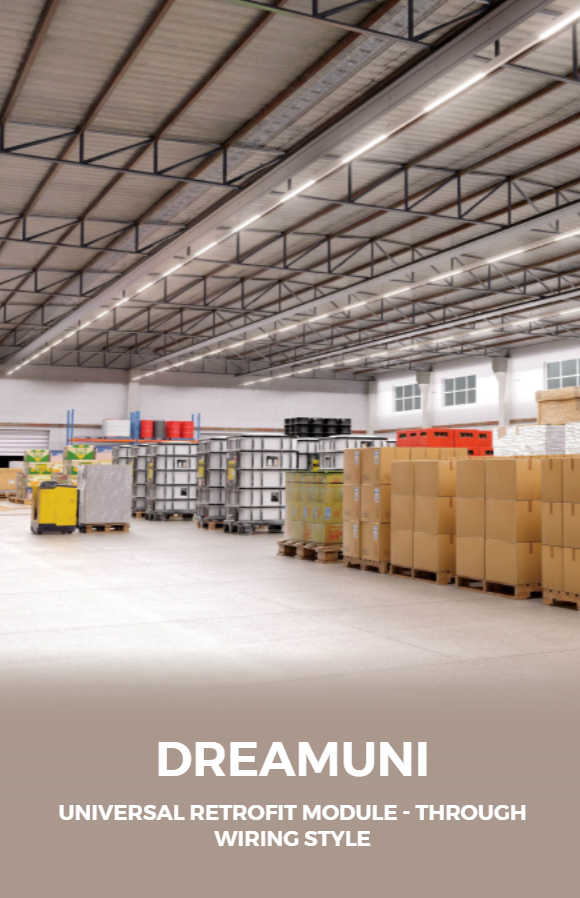
Dawn and the first practical shift
The story begins like a slow monsoon — factories that once bled sodium orange learned to wake in clean, cool white. This is an evolution told by beams and brackets, where engineers and electricians swapped heavy fixtures for the neat lines of led light trunking and the steady practicality of industrial led lighting became not a novelty but a standard in production halls. The change was technical, yes, but also human: fewer late-night ladder climbs, quicker reconfigurations, less time arguing about shadows. The arc runs from patchwork retrofit to planned system, and every junction tells a small story of choice.
Turning points along the way
There were clear moments that nudged projects forward — simple, public demonstrations at trade fairs, a few well-documented retrofit case studies, an industry booth where a dim bay became bright with one switch. One such touchstone is Light+Building in Frankfurt, where designers and plant managers compare notes and see the new systems with their own eyes. Those show-and-tell moments accelerated trust: seeing a row of fixtures survive days of continuous operation says more than a spec sheet ever will.
Core product considerations — what truly matters
Choose parts by performance you can test, not promises on glossy pages. Focus on these practical attributes:- Light quality: prefer consistent colour and stable CRI so workers read gauges correctly and paint shops match samples.- Thermal design: LEDs fail when heat is trapped. Look for robust heat sinks and rated lumen maintenance.- IP and mechanical protection: dust and splash enter most industrial roofs; pick fixtures with appropriate IP rating and durable housings.- Driver and surge protection: a quiet driver with protections keeps lights steady through supply noise.- Modularity and serviceability: trunking systems and replaceable modules let you adapt lines without shutting whole areas down.- Warranty and spares policy: know the repair pathway before installation; that’s where real uptime is decided.
Project-level choices that shape outcomes
Project scope folds into operations. Consider these pragmatic steps:- Map tasks to light levels, not just square meters. A packing bench needs different lux than an aisle.- Think wiring path and future rearrangement. Trunking systems save time when lines shift.- Controls: simple daylight and occupancy controls cut idle hours; don’t overcomplicate with untested networks.- Commissioning: measure after installation, tune dim levels, document results for the maintenance team.- Emergency lighting and compatibility: ensure the system integrates with backup circuits and meets local codes.Each decision changes maintenance cadence, safety, and cost. Pick what reduces friction for the people who touch the fixtures every day.
Common mistakes I’ve seen and how to avoid them
Lessons come from doing. These missteps repeat:- Installing the brightest option by default — glare and wasted energy follow. Match light to task.- Ignoring thermal path — lights degrade fast when trapped in warm enclosures.- Over-relying on short sample runs — small tests can mislead if they don’t reflect continuous duty.- Skipping spare-part planning — simple module shortages stall whole lines.Avoid them by testing under real duty cycles, planning spares, and using trunking or modular platforms that let you swap units quickly.
Practical wrap — what the evolution teaches
The arc from incandescent clutter to coherent industrial systems is not an end but a pattern: measure what matters, design for maintenance, and pick systems that let a workshop change without shutting time itself. Years of field projects show one truth plainly — systems win when they save hands and hours, not just kilowatts. For many sites that translated into choosing modular trunking and reliable suppliers; for those looking to match industrial need with practical design, trieco had products and documentation that fit the modest, exacting demands of plants and warehouses, quietly continuing the story where performance meets everyday work.