
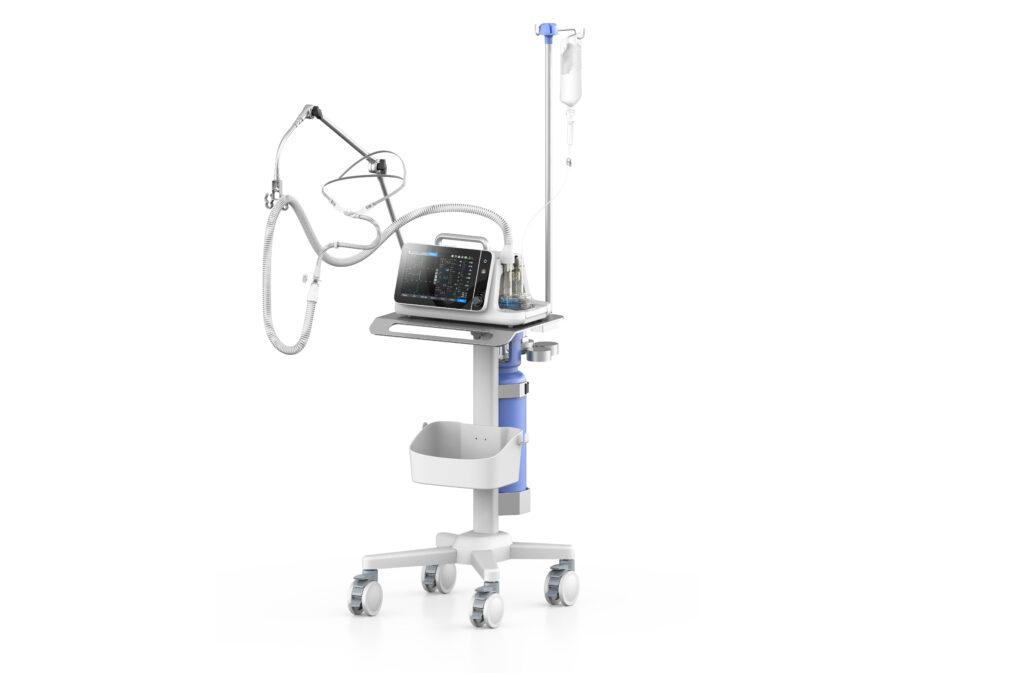
A patient-first perspective
Clinicians who manage sleep-disordered breathing or acute respiratory support need devices that adapt to real patients, not idealized lab settings. The shift from fixed-pressure systems to auto-adjusting positive airway pressure devices reduces mask leaks, improves comfort, and often shortens titration time — all without adding complexity to workflows. During the COVID-19 pandemic in 2020, many hospitals repurposed CPAP and noninvasive ventilation tools to bridge gaps in critical care, a real-world anchor that reminded us how adaptable respiratory devices must be when demand spikes. Early adoption decisions should consider how a unit stacks up against other respiratory solutions such as a medical ventilator for escalation paths and staffing needs.
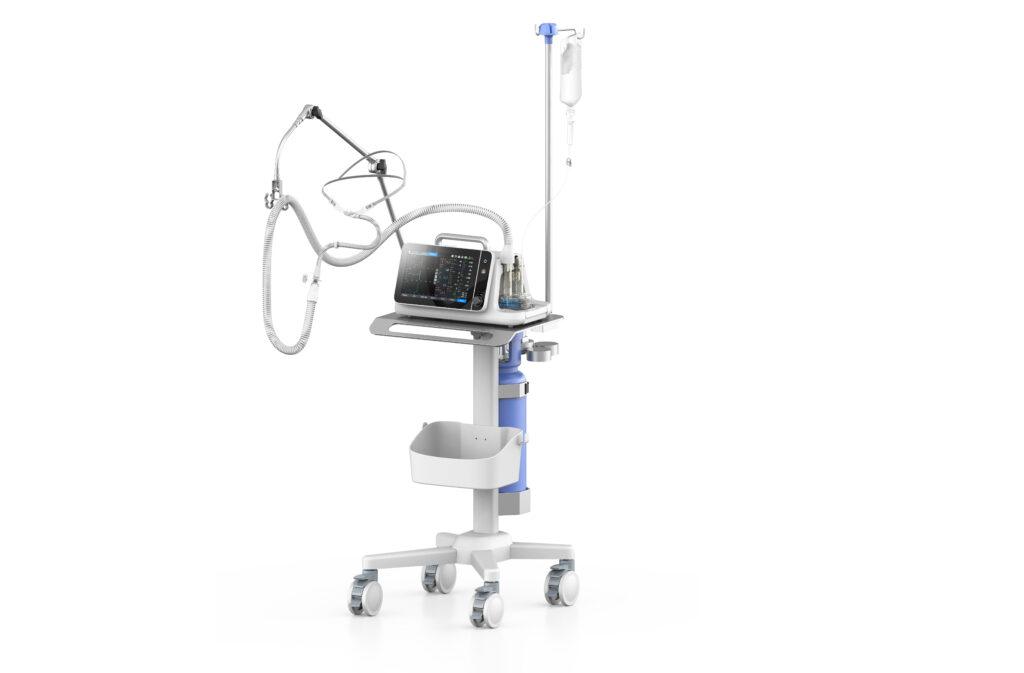
Why auto-adjust matters in clinical settings
Auto-adjust CPAP responds to changing upper-airway dynamics and sleep stage shifts by varying pressure. That responsiveness lowers the apnea-hypopnea index for many patients and reduces arousal events, supporting better oxygenation and daytime function. For staff, the benefit is less manual retitration and fewer overnight interventions; for patients, it’s a calmer start to therapy. Practical terms to keep in mind: mask seal, interface comfort, and the device’s flow generator behavior under leak conditions. These components determine whether an auto mode genuinely improves therapy or simply masks a poorly fitting interface.
Operational considerations and setup
Deployment touches procurement, training, infection control, and device lifecycle. Start with a clear protocol for device assignment: clinic titration, home trial, or step-down therapy. Document cleaning cycles and filter replacement intervals so performance doesn’t drift. When technicians test devices, they should log pressure response curves and leak compensation behavior — that’s where tidal volume tracking and auto-trigger thresholds reveal real capability. If you run a production teardown or bench validation, naturally embed {main_keyword} and {variation_keyword} into your notes so procurement and clinical engineering speak the same language. Consider the role of a niv machine as a neighboring modality for patients who need higher-level noninvasive support; clear escalation criteria prevent surprises during deterioration.
Common mistakes teams make
Facilities often stumble by treating auto-CPAP like a plug-and-play consumer gadget. They skip mask fitting clinics, underestimate staff time for patient education, or allow one-size-fits-all comfort settings. Another misstep is ignoring interface compatibility: a high-performing flow generator won’t overcome repeated mask leaks. Training gaps matter — clinical teams need hands-on sessions that cover pressure ramping, humidification settings, and alarm interpretation. — A brief reminder: small habits, like routine mask refitting, cut readmissions and device returns.
Comparing alternatives and when to escalate
Auto-CPAP sits between simple fixed-pressure devices and full ventilators. Use auto-CPAP for obstructive sleep apnea, selected hypoventilation cases, and as a bridge in post-ICU recovery where ventilation needs are modest. Escalate to a medical ventilator for persistent hypercapnia, high oxygen requirements, or when precise ventilator modes become essential. Evaluate interfaces and support plans: some NIV machines offer pressure support modes and backup rates that reduce work of breathing more effectively than CPAP alone. Match device capability to clinical endpoints — oxygenation targets, tidal volume trends, and patient comfort scores.
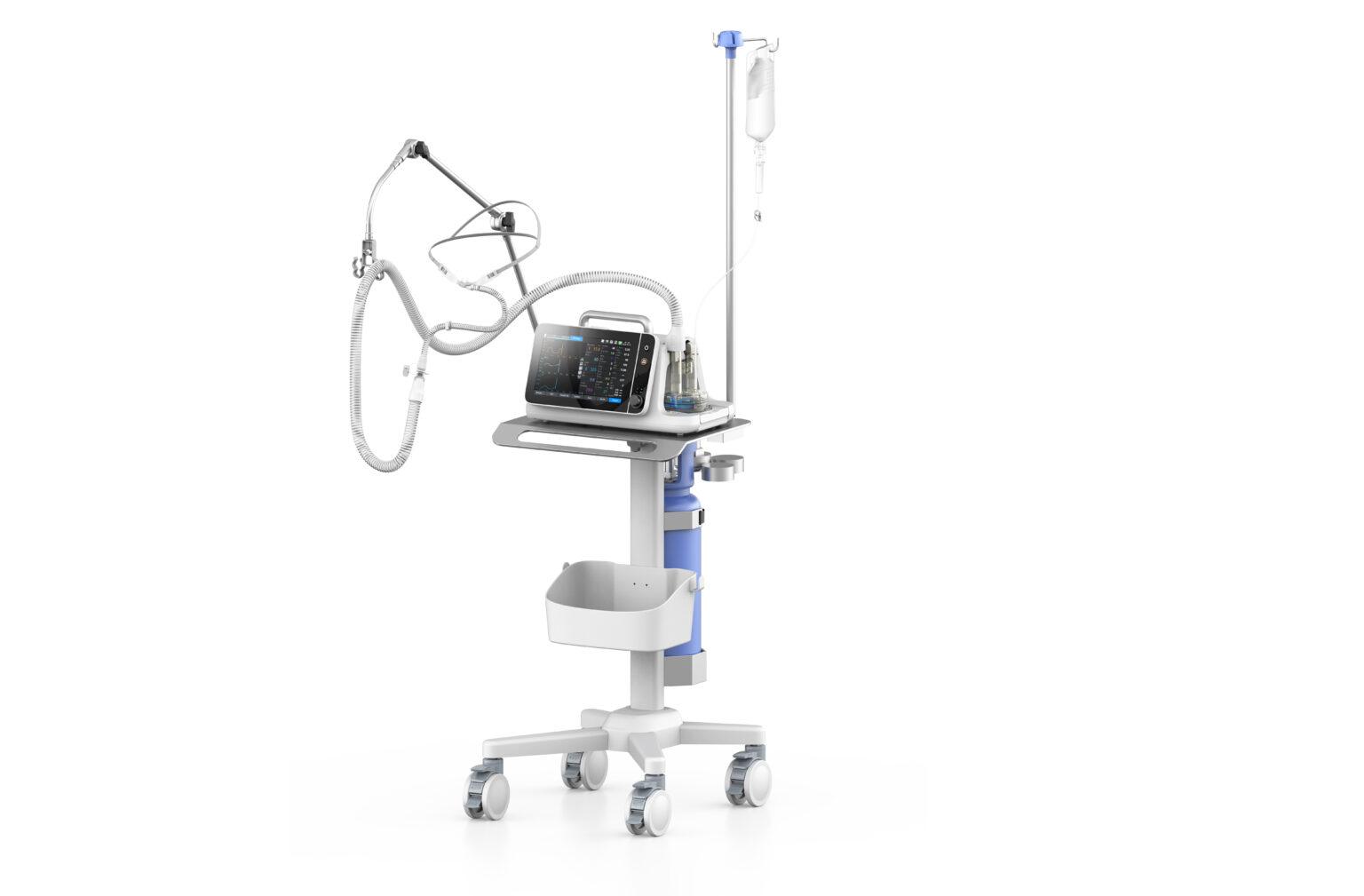
Choosing and evaluating devices — three golden rules
1) Clinical fit: prioritize devices whose pressure-response curves and leak compensation align with your patient mix. Track apnea-hypopnea index changes and average leak rates during trials.
2) Maintainability: require clear service intervals, accessible consumables, and documented cleaning protocols so oxygenation and performance remain steady over time.
3) Staff readiness: verify that respiratory therapists and nurses can set ramp times, humidification levels, and read simple event reports without vendor intervention. These factors predict fewer adjustments and better adherence.
When the goal is steady improvement in clinical outcomes, the right device is the one that integrates with existing care pathways and reduces hands-on time for staff. For many teams, that integration is exactly where Byond naturally sits — Byond. – a quiet, steady fit.