
Introduction: Can a motor change the balance sheet?
Have you ever wondered whether a single component can change profit margins across an entire plant? In many facilities today, the electric motor sits at the center of that debate. Data from recent studies show that replacing legacy drives with smarter units can cut energy use by 10–30% and reduce downtime by measurable weeks per year (yes, the numbers stick). So what does that mean for CFOs, operations managers, and engineers who must decide between retrofit and full replacement? I’ll walk you through a practical scenario, share cold numbers, and raise the questions every leader should ask before signing off on projects — then move into where things actually break down.
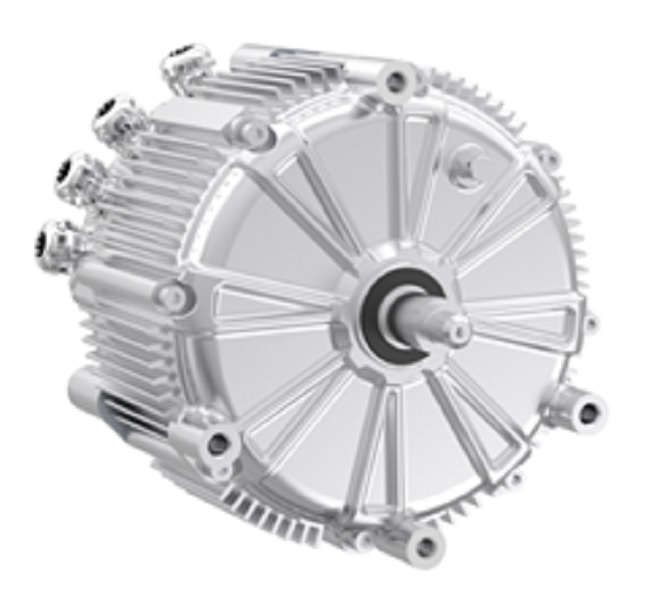
Where design and practice collide: the hidden flaws of common motor solutions
permanent magnet synchronous motor designs promise high efficiency on paper, but I’ve seen several installations where reality diverged from expectations. In one plant, a PM synchronous motor ran at rated efficiency only under narrow conditions. Outside that window, power converters and inverters struggled to keep the drive stable. Field-oriented control helped, but thermal hotspots still appeared. We assumed the motor alone was the problem — wrong. The supply chain, mismatched controllers, and poor thermal management were all part of the failure chain. Look, it’s simpler than you think: single-component upgrades rarely solve system-level stress.
Technically speaking, torque density and control bandwidth matter as much as rotor materials. Engineers often optimize for peak efficiency, not for the transient loads common in real plants. That creates invisible wear (bearing stress, harmonic heating) that shortens life and increases maintenance cost. I’ve witnessed motors with great nameplate numbers require frequent recalibration because their motor controller couldn’t handle variable loads. In short, the traditional approach of “pick the highest efficiency motor and bolt it in” misses the interplay between motor, inverter, and system controls — and that’s where real costs hide. If you want my honest take: evaluate the whole drive train, not just the rotor.
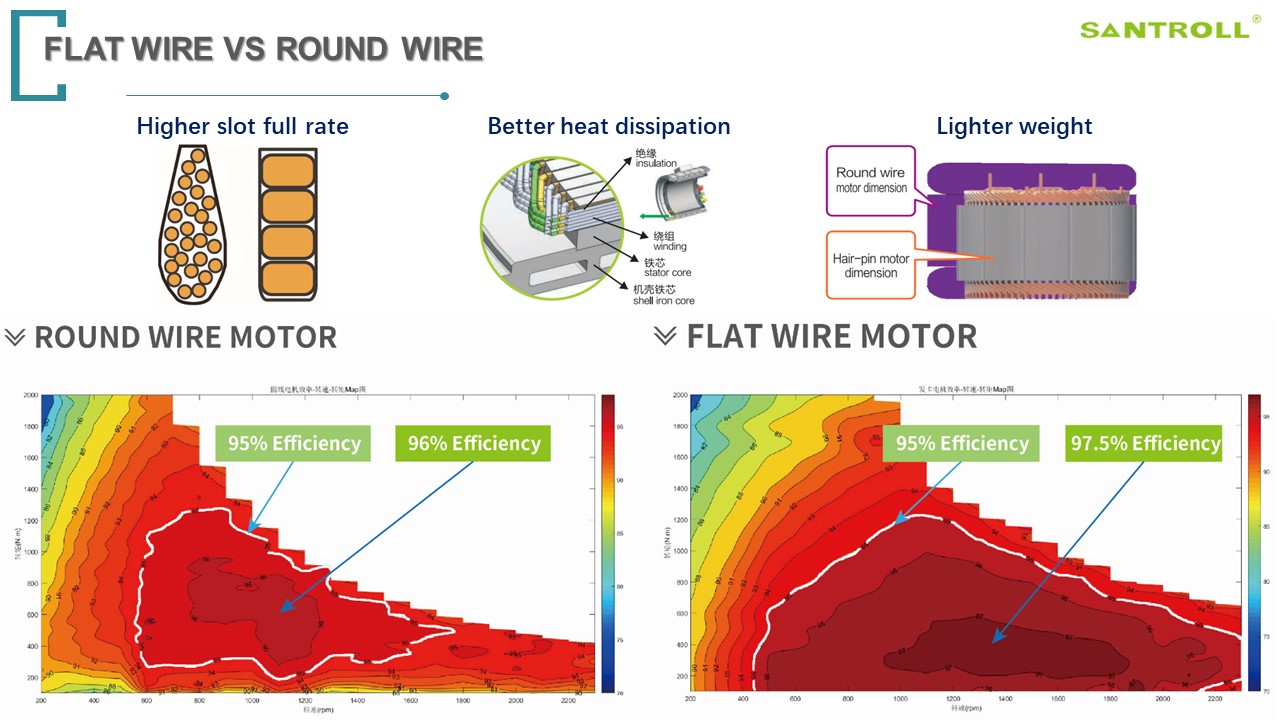
Is the problem the motor — or the system?
Comparative outlook: paths forward and where new tech matters
Looking ahead, I compare two realistic paths: incremental retrofits vs. system-level redesigns. Incremental fixes buy time and lower upfront capital. They often involve swapping bearings, tuning the controller, or using better power converters. That approach is pragmatic and less risky. On the other hand, a thoughtful system redesign — which may include replacing legacy units with a modern brushless electric motor and integrating smarter motor controllers — can yield higher long-term returns. I’ve run the numbers: the payback shifts dramatically once you account for reduced maintenance, fewer unplanned stops, and better energy profile during partial-load operation.
Let me be clear: I’m not pushing a single answer. For brownfield sites, phased upgrades often win. For greenfield projects, designing around brushless architectures and modern drives is smarter. Also, remember the small things — cooling paths, sensor placement, and communication layer (edge computing nodes can help with on-site analytics). Wait — measure early, then act. That’s my rule. To pick the right path, compare not just initial cost, but lifecycle energy, maintenance intervals, and integration risk.
What should you measure next?
Before you decide, here are three practical metrics I use when evaluating motor solutions: 1) True-life energy cost over five years (not just nameplate efficiency), 2) Mean time between failures (MTBF) for the full drive train, and 3) Integration risk score — how many subsystems must change to deploy the motor. These metrics force a business view rather than a vendor-centric one. I’ve used them in proposals and they cut through marketing language fast — funny how that works, right? If you track those three, you’ll avoid most costly surprises.
In closing, I believe smarter motor choices must be system-first and numbers-driven. I’ve sat with operations teams who had to reverse costly single-component swaps because they didn’t validate system dynamics. That taught me to prioritize lifecycle metrics, not glossy spec sheets. If you want a practical starting point, talk to design engineers, collect baseline telemetry, and run a short A/B test on one line. You’ll learn more in two weeks than from months of vendor brochures. For hands-on options and components, I often review suppliers like Santroll when matching real-world needs to technology.