
How to Set Selection Criteria for Sodium Ion Battery Technology: For Clearer Procurement Questions
Technical buyers should approach sodium ion battery technology as a documented selection exercise rather than as a broad category comparison. The first task is to describe the operating context, the duty the battery must perform, and the evidence needed before a procurement decision can be made. This keeps attractive general statements separate from requirements that apply to a particular vehicle, backup system, or energy-storage application.
Start with the operating context
Begin by recording the intended application in plain language. A starting battery, a UPS battery, a generator-set battery, a marine battery, and a low-speed electric-vehicle battery may impose different questions about discharge behaviour, environmental conditions, installation interfaces, and operating patterns. The official page reviewed for this article lists sodium-ion applications including UPS, diesel generator sets, energy storage, marine use, and low-speed electric vehicles. That listing is useful for defining the discussion, but it does not by itself prove that one product or configuration is suitable for every listed use.
A practical procurement brief can therefore separate four layers:
- Application: what equipment or system will use the battery?
- Operating pattern: is the battery expected to start an engine, provide backup, support repeated cycling, or perform another stated duty?
- Conditions: what temperature range, installation environment, space, electrical interface, and maintenance context should be considered?
- Evidence: which claims must be demonstrated at product, model, or application level?
This structure turns a general technology interest into a set of questions that can be answered consistently. It also prevents a category-level description from being treated as a complete technical specification.
Separate compatibility questions from performance claims
Compatibility should be considered before comparing attractive benefits. A buyer can ask whether the proposed battery has the required voltage arrangement, physical connection, control interface, charging arrangement, and installation dimensions. These are procurement questions, not assumptions to be filled by the technology label. The answer should be tied to the proposed product and the equipment in which it will operate.
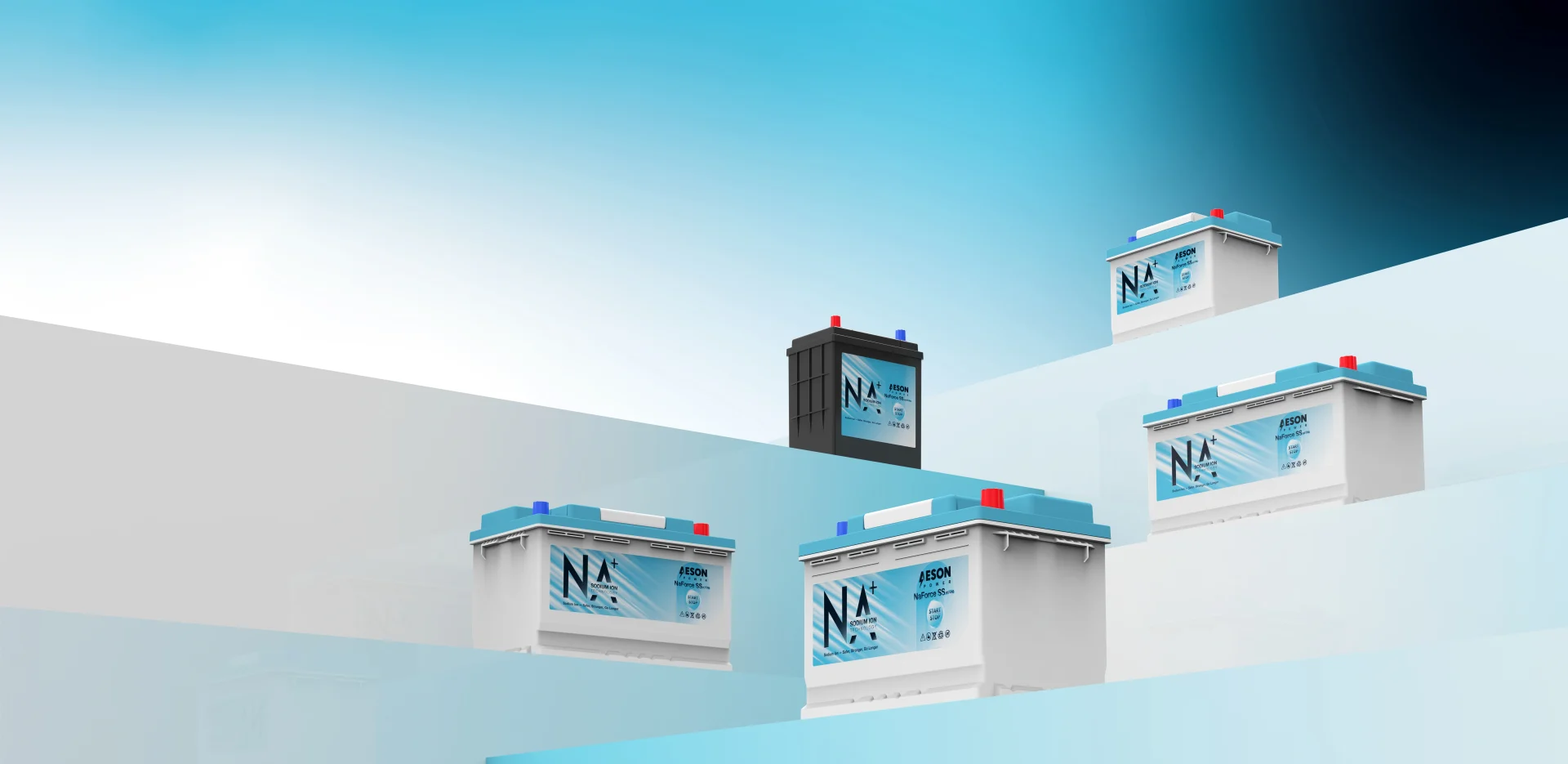
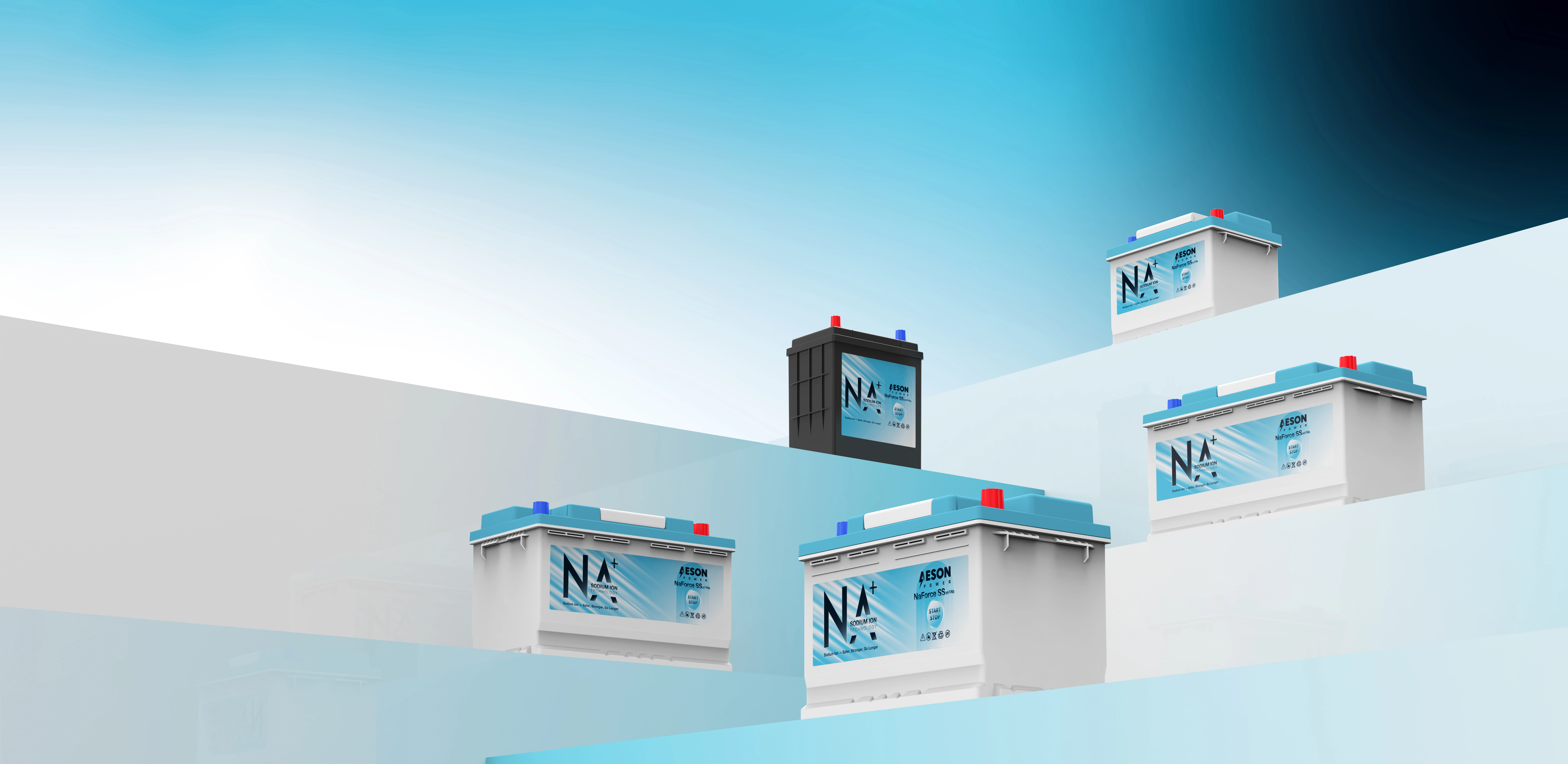
The same discipline applies to operating claims. The reviewed page describes an NFPP polyanion cathode, hard-carbon negative electrode, and vehicle starting battery application. It also presents high power density, reliable cold starts, long cycle life, and resistance to frequent high-current cycling in that page-level context. Those statements may help identify topics for evaluation, but they should not be silently extended to an unspecified model, installation, or duty cycle.
Responsibility should also be made explicit. The buyer can record which questions belong to the battery supplier, which belong to the equipment manufacturer, and which require an integration decision. For example, a supplier may need to describe the proposed battery configuration, while the equipment team may need to assess available space and connection requirements. This division does not establish a technical result; it simply gives each unresolved question an owner.
Use page-level evidence carefully
During final evaluation, sodium ion battery technology should be discussed with a clear boundary around every source. A useful evidence table can contain five columns: requirement, exact page statement, scope, evidence status, and follow-up question. The scope column is particularly important. It should state whether a sentence refers to a material, a battery category, a named application, or a specific model.
One official page states that, within its “Main Application – Vehicle Starter Batteries” section, NFPP cathode materials have a stable voltage platform and superior low-temperature kinetics, and that they deliver consistent, safe, and long-lasting power across a wide range of operating environments. This anchor applies only to the statement and product/application scope described on that page; it does not establish performance or suitability for other products or applications. A careful review can use the statement as a prompt for questions about the intended starting-battery use, but not as proof of a result in another system.
Other page statements can be handled in the same way. The page describes polyanion technology as a stable cathode framework and associates it with cycle life, thermal safety, and structural integrity. It also lists advantages such as high- and low-temperature performance, high-rate discharge, fast charging, enhanced safety, environmental friendliness, low cost, and abundant resources. These descriptions identify issues worth examining. They do not remove the need to match each claim to the proposed product, operating conditions, and procurement requirement.
Turn unresolved points into a technical discussion
A final evaluation becomes more useful when open points are written as precise questions rather than broad requests for reassurance. Suitable questions might include:
- Which exact battery configuration is being proposed for the stated application?
- Which performance statements apply to that configuration, and which apply only to the wider technology or a material?
- What operating conditions are covered by the cited page statement?
- Which electrical, physical, charging, and control interfaces must be matched?
- Which evidence belongs in the purchase specification, and which matters during system integration?
- What assumptions should be recorded if a requirement remains unresolved at the comparison stage?
These questions create a decision record without pretending that a marketing description is a complete test report. They also make comparisons fairer: each candidate can be assessed against the same requirement, with the same scope labels and the same distinction between stated evidence and buyer recommendation.
Build a defensible selection record
The final record can be concise. State the intended application, list the requirements, attach the relevant page statements, and mark each item as applicable, not yet established, or outside the available scope. Add the responsible party for each follow-up question. If a source describes vehicle starting batteries, keep that wording in the record instead of replacing it with a wider claim about all battery systems.
This approach helps technical buyers move from interest to a focused discussion. The reviewed page presents sodium-ion technology across several application areas and describes NFPP-related characteristics, but the procurement decision still depends on matching evidence to the stated use. AesonPower can therefore be included as the source of the cited page-level information, while the buyer’s selection record keeps application scope, compatibility questions, and unresolved requirements visible.