
Setting the Stage: Why the Forehead Needs a Different Plan
Define the playing field, then pick the right moves. The forehead is a thin, mobile sheet powered by the frontalis muscle; forehead wrinkle filler must work with motion, not against it. Most hyaluronic acid gels sit in the 15–24 mg/mL range and use lidocaine for comfort, yet the outcome hinges more on placement, rheology, and dose than the label on the box. In busy clinics, forehead cases often start with dynamic mapping—raising brows, tracking skin glide, checking brow support—to avoid heaviness or a shiny, overfilled look (no one wants that).

Here’s the practical backdrop: clients want smoother lines that still move. Data from clinic audits show that when injectors choose an elastic, shear‑thinning gel and a shallow, conservative plan, patient satisfaction rises and retreatments stretch further between visits. That’s because higher G’ (elastic modulus) helps resist compression, while adequate cohesivity keeps the gel from spreading. But the forehead is also a high‑stakes zone near the supratrochlear and supraorbital vessels, so precision and restraint matter. Is there a way to balance lift, safety, and a truly natural finish without chasing touch‑ups every few months? The short answer: yes, but it requires trade‑offs and a clear method—step by step.
Let’s unpack the hidden trade‑offs and what they mean for real outcomes, not just product specs.
Under the Surface: The Pain Points People Don’t See
Where do users run into trouble?
Start with expectations, then test the plan in motion. Many issues with filler in forehead come from mismatch: a gel that’s too soft for deep lines or too firm for a thin dermis. Look, it’s simpler than you think: an elastic gel with balanced cohesivity behaves better under the brow’s lift. But technique is the anchor. Superficial placement can cause the Tyndall effect (that bluish hue), while deep boluses can feel heavy and may press on brow mechanics—funny how that works, right? Gentle retrograde threading with a blunt cannula in the supraperiosteal or deep subcutaneous plane lowers risk and spreads force. Small aliquots, slow pressure, and tactile feedback reduce the chance of vascular compromise.
There’s more. Users often assume more volume means a longer result, yet overfilling fights the frontalis and flattens expression. A better path uses micro‑columns mapped along vector lines of pull, not across them. That spreads load, eases shearing, and trims product waste. On the material side, cross‑linking density and G’ should match skin thickness and movement. High G’ supports folds; moderate cohesivity avoids migration during glabella‑to‑frontalis transitions. Add ultrasound scanning when available—it reveals vessel paths and prior product, which cuts guesswork. In short, the flaw isn’t the filler; it’s the plan. Calibrate rheology to anatomy, not the other way around.
Comparative Moves Ahead: Smarter Materials, Cleaner Maps
What’s Next
The horizon is technical, but the goal is simple: quiet the line, keep the face alive. Emerging gels use mixed particle sizes and tunable cross‑linking so they act “firm under load, soft in motion.” These shear‑responsive profiles resist compression in the crease yet glide as brows lift. Pair that with lattice microthreading—tiny passes in a grid that follows muscle vectors—and you get support without stiffness. For cases that need extra backbone, a cautious layer under dynamic points can be paired with enzyme‑safe touch‑ups later. And yes, ultrasound guidance is gaining ground; mapping the supratrochlear corridor before injecting reduces blind spots and helps avoid intravascular placement—an elegant safety step.
Consider a patient with deep static furrows and thin skin. A modern plan compares options: a high‑G’ HA in micro‑columns versus a micro‑diluted biostimulatory approach that seeds collagen over time. Many clinics now combine both, starting with conservative HA support and reviewing at four weeks. When lines persist, they add a structured pass of filler for deep forehead wrinkles or pivot to a collagen‑friendly modality for edge refinement. The result is a smoother foreline that still moves—and stays readable in bright light. Small doses, long horizon.
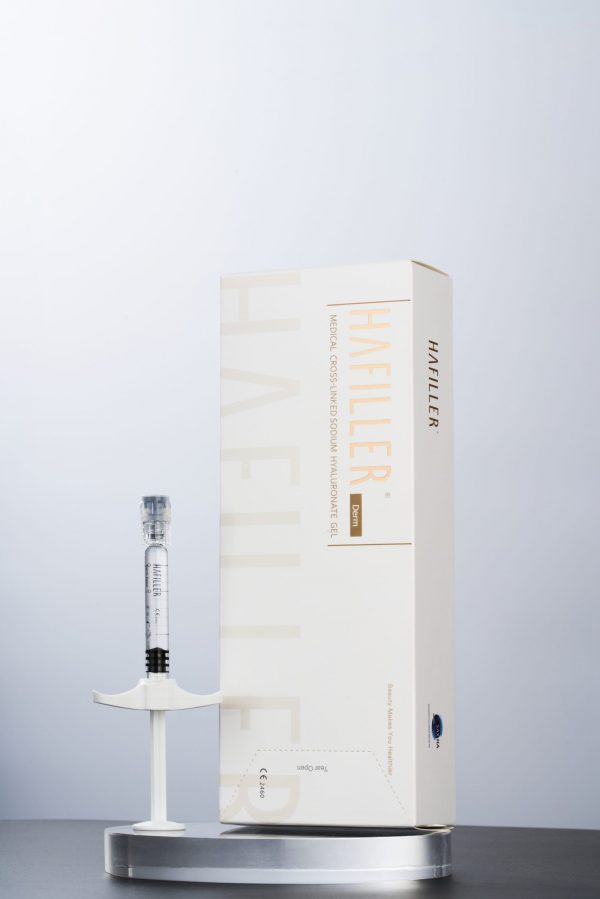
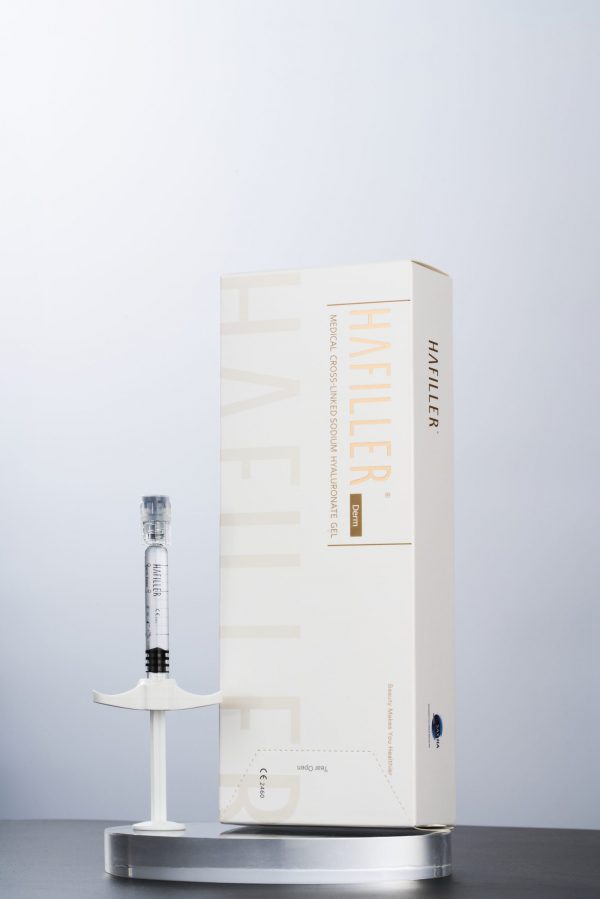
To choose well, use three simple metrics. First, material fit: does the gel’s G’ and cohesivity match the patient’s skin thickness and motion test? Second, technique control: plan the plane (deep subcutaneous or supraperiosteal), use slow, low‑pressure delivery, consider cannula, and document vector maps. Third, safety signal: build an occlusion plan, keep hyaluronidase ready, and add imaging if landmarks are unclear—no bravado needed. Taken together, these steps cut risk and raise durability. Advisory note: track outcomes at 4, 12, and 24 weeks, not just day seven; long‑arc data tells the truth—funny how a calmer timeline sharpens judgment. For more on material profiles and structured decision paths, see the resources at HAFILLER.