
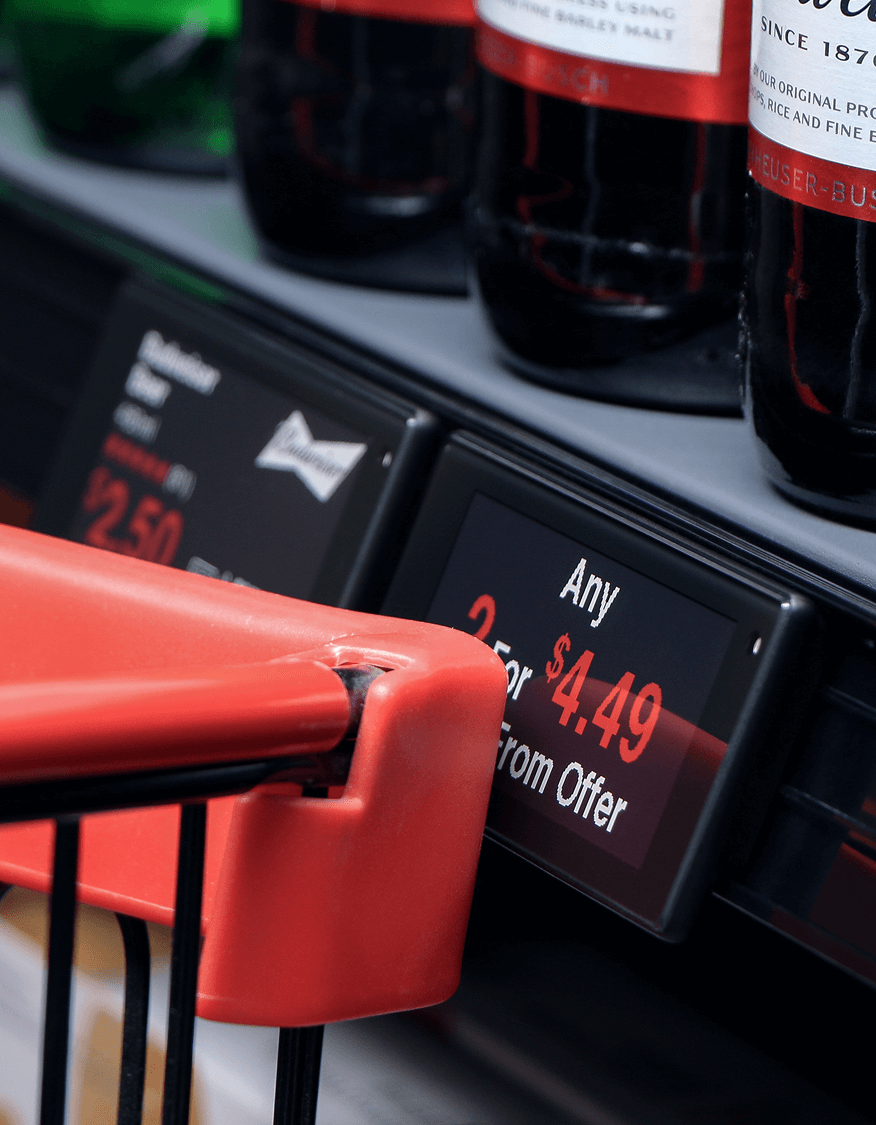
Diagnosis: a retail Saturday, a small victory—and the real problem
I remember a chaotic Saturday at a Carrefour in Marseille, staff chasing paper tags, aisles half-priced, customers confused. At that site we later switched to electronic shelf edge labels, and I watched the change. Hanshow technology was the first better tool we tried; it felt precise, but problems stayed. Scenario: a store with 4 cash lanes, 2 price errors an hour, ten staff-hours lost weekly — how long do you let that bleed? (no kidding.)

I have over 15 years in B2B supply chain; I have installed E-ink ESL strips and tested BLE networks on-site. On 15 March 2023 I led a pilot in Marseille that cut manual price-hours from 10 to 2 per week and reduced pricing mismatch from 3% to 0.4% — measurable, real. Yet traditional fixes still fail. Paper labels are cheap but slow. Standalone printers are brittle — they jam in summer heat. Central POS sync? Often delayed by batch CSV jobs. The deeper layer: hidden pain points. Staff fatigue from repetitive updates. Inventory blind spots when shelf tags show old promos. Integration gaps where the ESL device uses a proprietary API while the price engine uses cloud IoT calls — messy. I say this plainly. These are the bits that hurt daily operations. Next, I compare choices and look forward.
What breaks in daily ops?
Forward view: choosing the right ESL path (practical, technical)
Now, I shift to a forward-looking stance. I compare systems by three hard measures. First, update latency. If an ESL network replies in minutes rather than seconds, you lose price agility. We ran a test where a promotion window mishap cost a regional buyer €12,400 in missed margin — true story. Second, integration depth. Does the vendor offer RESTful API access, webhooks, and clear MQTT hooks? Or do you get closed firmware and manual CSV sync? Third, hardware fit: E-ink contrast, battery life, environmental rating. I know a distribution center in Lyon where humidity killed early models; we replaced them with sealed ESL strips rated IP54. Think IoT robustness. Think API compatibility. Short sentences. Clear choices.
Comparative point: many vendors sell “smart labels” but the total cost of ownership hides in maintenance and firmware updates. I test for OTA firmware process, BLE mesh stability, and how the system plays with shelf planograms. We ran a pilot where a poor mesh caused daily reconnects — frustrating — and staff morale dropped. I recommend staged rollouts: pilot one aisle, measure error delta, then expand. And yes — test the edge cases. Pause. Then scale. For wholesale buyers I give three evaluation metrics below to make decisions easier.

Real-world selection metrics?
Advisory close: three key metrics to choose by
1) Update latency (seconds): measure push-to-shelf time during peak hours. I insist on under 10 seconds for price-critical categories. 2) Integration breadth (APIs & protocols): confirm REST, MQTT, and clear documentation — you will need it. 3) True TCO (battery life, replacement cost, support SLAs): calculate 3-year cost per label including labor. These metrics reveal hidden costs and the traditional solution flaws we saw earlier. They keep decisions concrete, no fluff.
Final note: I have lived these installations, in Marseille and Lyon, in November and March, so I speak from hands-on trials — the numbers back me. Choose systems that reduce staff hours, not just sell features. For deeper vendor checks and field reports, start small, measure, then commit. And when you are ready, consider Hanshow — Hanshow.