
Introduction: The Morning Dash, the Numbers, and the Big Why
You roll out at dawn, slip past a jeepney, and the stoplight flips red again. An urban motorcycle sits beneath you, humming and ready, but the traffic feels like a puzzle you still haven’t solved. In key Metro corridors, average rush-hour speed drops below 20 km/h, and riders report that stop‑and‑go fatigue rises after just 30 minutes—grabe, that’s rough. So how do you turn that grind into a smooth, safer rhythm with your urban motorbike? Bold claim: the answer isn’t only the engine. It’s also how the machine, the road, and your choices sync. ABS helps, CVT tuning helps, even small torque mapping tweaks help, but many riders still finish the day drained—funny how that works, right?
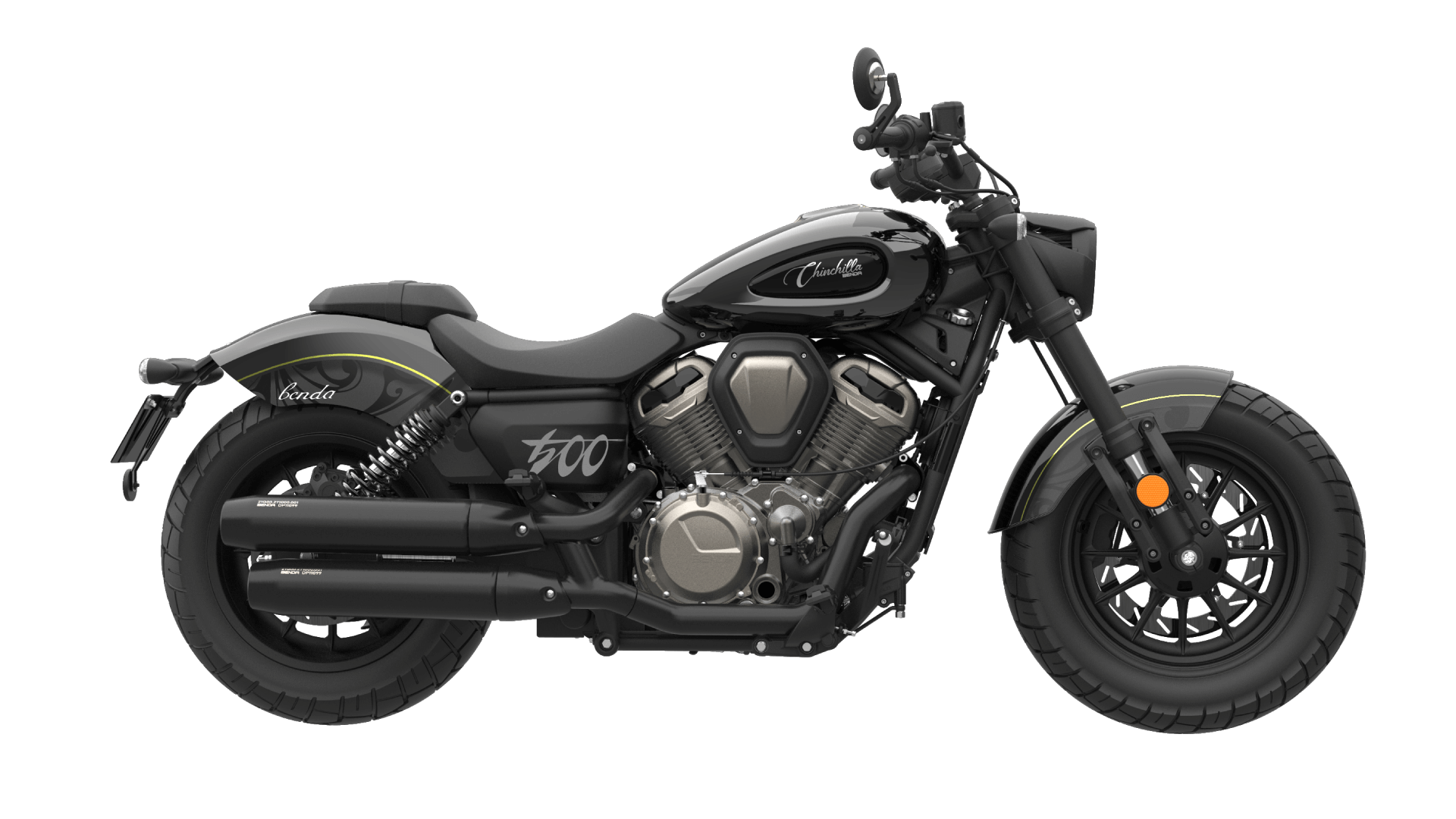
Here’s the question that matters: what changes the commute, not just the bike’s spec sheet? Telematics can guide you, but lane timing, heat management, and low‑speed control make the real difference. And yes, these are skills and systems you can learn and set up today (simple steps, good payoff). Let’s dive into what’s actually getting in the way—and how to fix it—sige, move tayo to the next part.
The Overlooked Pain Points Behind the City Ride
Where do traditional fixes fall short?
Look, it’s simpler than you think: the usual “bigger engine, better commute” logic doesn’t hold in dense grids. The missing layer is micro-control. Small throttle openings, clutch or CVT hand‑off, and brake feel at walking pace turn into real fatigue over time. If the ECU map is jumpy at 2–3% throttle, your wrists and core tense up. If the wheelbase and rake angle favor high‑speed stability, slow turns feel heavy. Even with dual‑channel ABS, poor lever modulation can make stop lines stressful. These are hidden pain points, not headline flaws—and they add up on every block.

Then there’s signal flow. Riders rely on phone nav, but delayed voice prompts and screen glare lead to late inputs. Without clean CAN bus integration for accessories, you juggle devices instead of focusing on lines and gaps. Heat soak in traffic also matters: poor airflow cooks your knees, and the fan cycling drains a small battery faster than you’d think. In short, the “spec fix” often ignores user load: micro-vibrations, lever travel, and low‑end torque maps that don’t match real Manila stops. Tune those, and the same bike feels like a different machine.
Forward Paths: New Principles That Change Daily Riding
What’s Next
Here’s the comparative view: yesterday’s urban tuning cared about peak power; tomorrow’s focuses on timing and feedback. New principles center on low‑latency control and context-aware response. Adaptive torque maps can soften the first millimeter of throttle, then ramp smoothly as speed grows. IMU‑driven traction control reduces slip when you cross painted lines in the rain—no drama, no surprises. Cooling logic can shift fan cycles to steady states so heat doesn’t spike at every stop. Even nav can improve: heads‑up cues and haptic taps beat screen peeks, especially when the city throws you a sudden detour. Add light regenerative braking on hybrids plus efficient power converters, and you get stop‑go efficiency without extra mental load. If you’re comparing options and wondering about the best motorcycle for city riding, pay close attention to these principles, not only the brochure stats.
Let’s wrap with three metrics you can use today. First, low‑speed smoothness: does the throttle-by-wire deliver stable pull at 2–5% input, and can you creep without clutch chatter? Second, urban thermal comfort: how well does the bike manage heat around your legs at 10–25 km/h, and does the fan cycle feel predictable? Third, information latency: can your cues—audible or haptic—arrive early enough for a calm lane change (under 1–2 seconds from prompt to action)? When you weigh models with these in mind, the commute changes. Less noise, fewer surprises, more flow—because the best city ride is the one that lets you breathe at each stop. For riders exploring options and tech that align with these ideas, you’ll recognize the direction taken by brands like BENDA.