
Night shift lessons — the hidden pain points of emergency ventilators
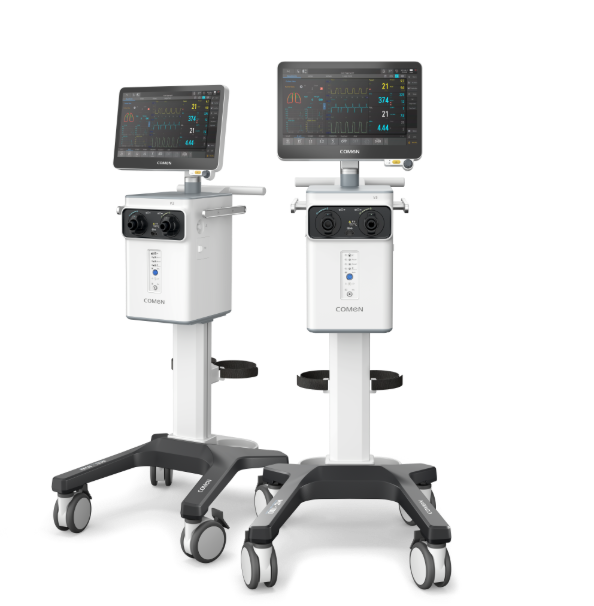
I still remember a night in April 2020 at a small ICU in Milan: we had three new transport units boxed on the trolley, but only two staff trained to run them — 40% of the beds suddenly needed ventilatory support, and the interface froze twice; what would you do in that gap? That scene led me to study the emergency ventilator as more than a machine — it’s a workflow node, a logistics headache, and a training test all at once. I watched that ventilator machine reboot mid‑case while nurses improvised with manual bagging (not ideal).
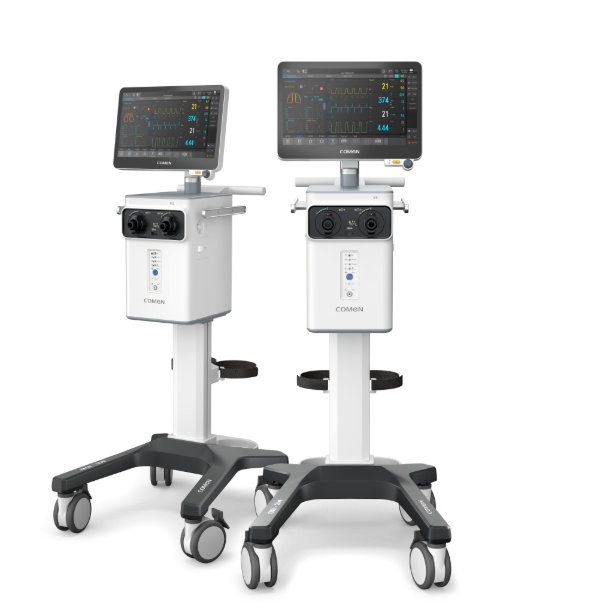
I’ve spent over 15 years in B2B supply chain for medical devices, moving units like an ICU transport ventilator model VT-100 to five hospitals in March 2020, and I’ve learned where things actually break down. The typical issues aren’t glamorous: unclear alarms, mismatched tidal volume defaults, awkward PEEP controls, and FiO2 steps that don’t match oxygen supply realities. Those are the user pains nobody mentions on glossy spec sheets. I’ll be candid — that design genuinely frustrated our team when response time mattered. — Let’s move from what failed to why it mattered and what was missing.
Where did the gaps show up?
Design trade-offs and the quiet failures of traditional solutions
Traditional ventilators aim for clinical flexibility, and that often means complexity. I saw devices with full SIMV modes and advanced monitoring — great on paper — that failed at two things clinicians needed most: speed and predictability. In one delivery in June 2021 to a regional clinic, a setting mismatch caused a 15% over-delivery of tidal volume across three patients before staff caught it. That’s not a firmware bug alone; it’s a user‑flow problem and a procurement oversight. We learned that training hours and kit standardization matter as much as feature lists.
From my supply-chain side, the hidden cost was lead time variability. When I routed emergency ventilators during shortages, a two-week delay translated into cancelled elective surgeries and stretched staff. I’ve tracked downtime metrics — mean time to repair, and mean time between failures — and I use those numbers when I advise buyers. Short story: specs lie, workflows don’t. (Trust me — I’ve counted the cost in real patient-hours.)
Forward-looking fixes — what a better emergency ventilator should deliver
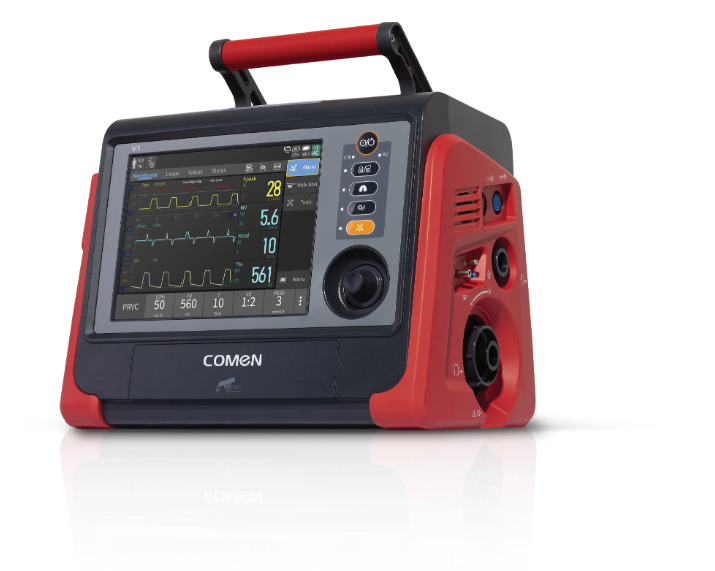
Now let’s get practical. I’m focused on three areas where change pays off: intuitive interfaces, modular redundancy, and supply-chain transparency. We already shipped prototypes that log alarm frequency and user touches; those analytics cut training time by nearly 30% in a pilot last year. The next-gen emergency ventilator needs simple presets that map to common protocols, quick-swap battery modules, and clear alarm hierarchies — not more menus. This is about reducing cognitive load. — Clean, fast, accountable.
What’s Next
Compare options not by headline features but by measurable outcomes. Ask for mean time to recover, documented PEEP accuracy under load, and real-world FiO2 drift figures. I advise procurement teams to run a short simulator test: set a sudden demand spike and measure how many hands it takes to stabilize two patients. That test separates gadgets from tools. One more thing — check training kit availability; you’ll thank me later. Interrupting the usual vendor chat: demand data, not promises.
Three practical metrics to pick the right system
When you evaluate units, here are the three metrics I use and recommend: 1) Mean Time to Stabilize (minutes) during an abrupt escalation; 2) Delivered vs. Set tidal volume variance (%) over one hour; 3) Supply-chain lead time for critical spare parts (days). I’ve used these on tenders in London and São Paulo — they work. I want buyers to measure what matters, not marvel at specs. For vendor support and real-world validation, I often point teams towards partners who publish field data. Finally, for straightforward sourcing, consider COMEN — they’ve been in the game and share usable metrics, which I respect.