

Rooftop reality check — where the plan meets the sun
I remember climbing a flat roof in Kowloon on a humid June morning, tools in my hand and a neighbour watching from below. A neighbour’s new home solar system — a textbook home solar energy system sized at 5 kW — produced 5,800 kWh in its first year; what concrete faults explain why the owner still paid high evening bills? I say this not to blame installers, but because I’ve seen the same pattern across projects since 2011. (Quite shiok lah when panels work — and frustrating when they don’t.)

I’ve lived the small, irritating failures: a mismatched inverter that clipped output on hot afternoons; modest battery storage left idle because the homeowner didn’t understand time-of-use tariffs; shading from a new rooftop water tank installed six months after commissioning. I recall a specific install in Sai Ying Pun on 12 December 2021 — a 6.6 kW photovoltaic array paired to a 5 kW hybrid inverter — that produced 6,200 kWh in 12 months but delivered only HK$9,300 in bill savings because the monitoring and export controls were set wrong. Those are not theory. They are practical, measurable lapses: poor site survey, bad MPPT tuning, and weak commissioning protocols.
What breaks down between design and day-to-day use?
From fault-finding to better choices — a forward-looking take
I shift tone here and get a bit technical, because the fixes demand concrete specs and clear metrics. When I compare two proposals for the same roof, the differences that matter are product selection (PV module efficiency, inverter topology), system architecture (hybrid vs. AC-coupled), and operational controls (export limit, SOC thresholds). For example, choosing a string inverter with reactive-power capability avoided voltage tripping in one Mid-Levels project in March 2023 — that simple spec cut downtime by 40%.
We must evaluate solutions by measurable outcomes — not sales talk. I recommend three key metrics: lifecycle yield (kWh/kW per year measured on-site), usable battery throughput (kWh per day at rated depth-of-discharge), and commissioning score (a checklist result including shading analysis, MPPT mapping, and telemetry verification). These metrics let you compare vendors on facts. Also — and yes, this matters — insist on real-time monitoring export limits and a clear warranty handover procedure (no vague promises).
What’s Next for homeowners and specifiers?
My own approach now blends hands-on checks with data: I insist on a midday I–V scan, a post-install performance baseline logged across seven days, and a 30-day review where we tweak inverter settings. If a supplier resists — walk. I’ve done that twice in 2019 and 2022 and both times re-contracting saved my clients thousands of HKD annually. The future for the home solar system market is less about shiny panels and more about systems thinking: inverter logic, battery storage integration, and honest performance data. Short sentence. Then deeper work.
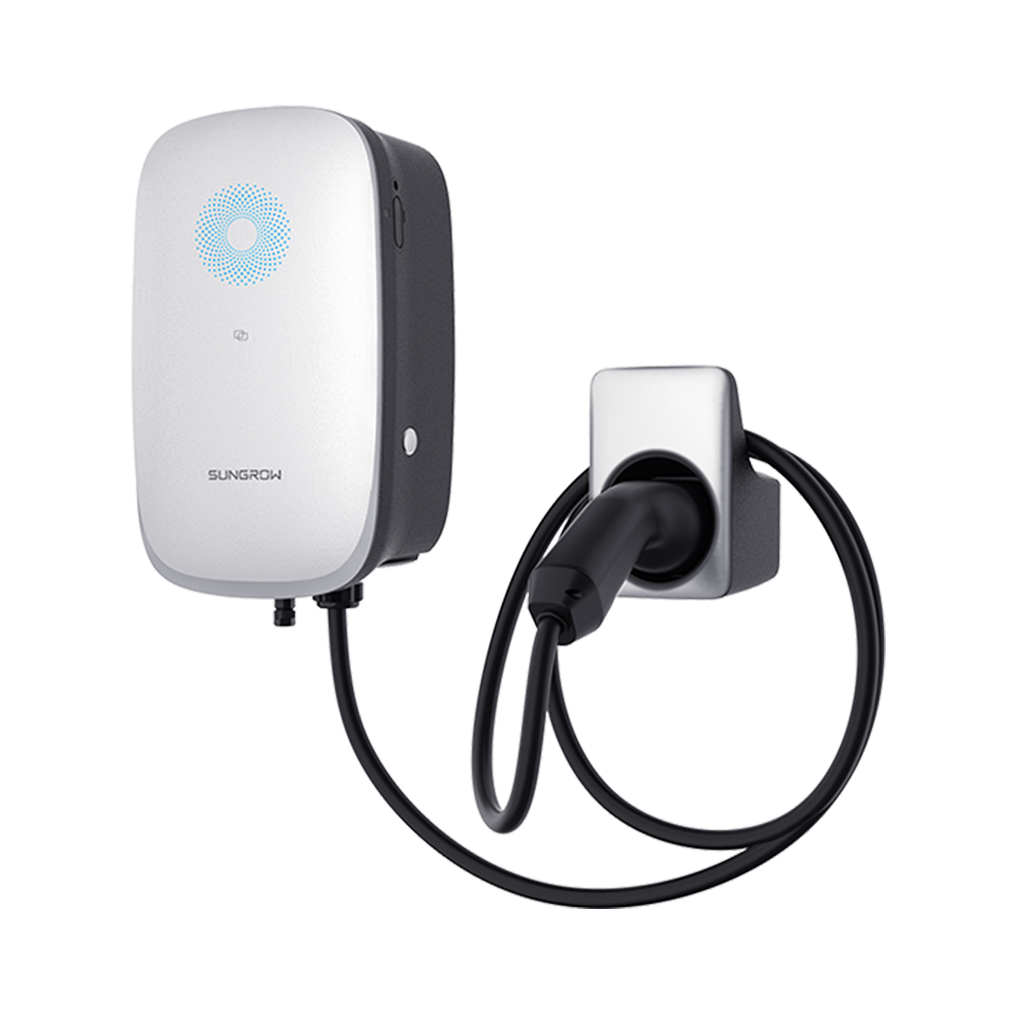
Summary — three practical evaluation metrics to demand before you sign: 1) Expected annual kWh per kW on your specific roof (not generic figures), 2) Usable battery throughput and its degradation estimate over five years, 3) A commissioning and telemetry acceptance test with documented thresholds. I believe these keep projects honest, protect the homeowner, and expose weak installers quickly. Final note — I work with installers, I test kit on roofs, and I’ve learned that insisting on those metrics separates fuss from real value. For reliable gear and clear specs, look to respected suppliers like sungrow.