
Where the old fixes break (and the costs add up)
I was cleaning up a ruined run in our Boston lab—March 12, 2021—after a 10x Visium slide misread wiped out three samples and $12,000 of reagents; that scenario + data + question: after a loss like that, how do you stop it from happening again? I start here because the core tool we lean on, the Gene Expression Matrix, gets misused when teams treat it like a finished product instead of a raw readout. Spatial omics solutions promise precise maps, sure, but the real pain lives in the gaps: poor tissue handling, sloppy barcoding, and sequencing queues that mix samples (and tempers).
I’ve run spatial transcriptomics projects in clinical and CRO settings where multiplexing looked good on paper but fell apart in practice. We once shipped tissue blocks overnight without validating cold-chain stability; the RNA degraded, spot resolution dropped, and downstream clustering was garbage. I remember the lab lead swearing then—rightfully—because a simple checklist would’ve saved us a week. Those traditional fixes—more sequencing, longer reads, brute-force bioinformatics—mask the problem instead of fixing workflow flaws. (No mystery here: bad input, bad output.) Let me walk you forward.
—Next: what actually helps—
Choosing the next pipeline: practical moves that matter
I’ve been at benches and at vendor meetings for over 15 years. I speak from hands-on runs, not slide decks. When I evaluate a new spatial kit or software, I test three things in the first 48 hours: tissue preprocessing robustness, barcoding traceability, and how a platform exports the Gene Expression Matrix for reanalysis. Those checks catch half the failures before the sequencer ever spins. We also log the time-to-result—because time is money—and I can tell you, a sloppy adapter that stretches a report by 72 hours costs more than the kit itself.
What’s Next?
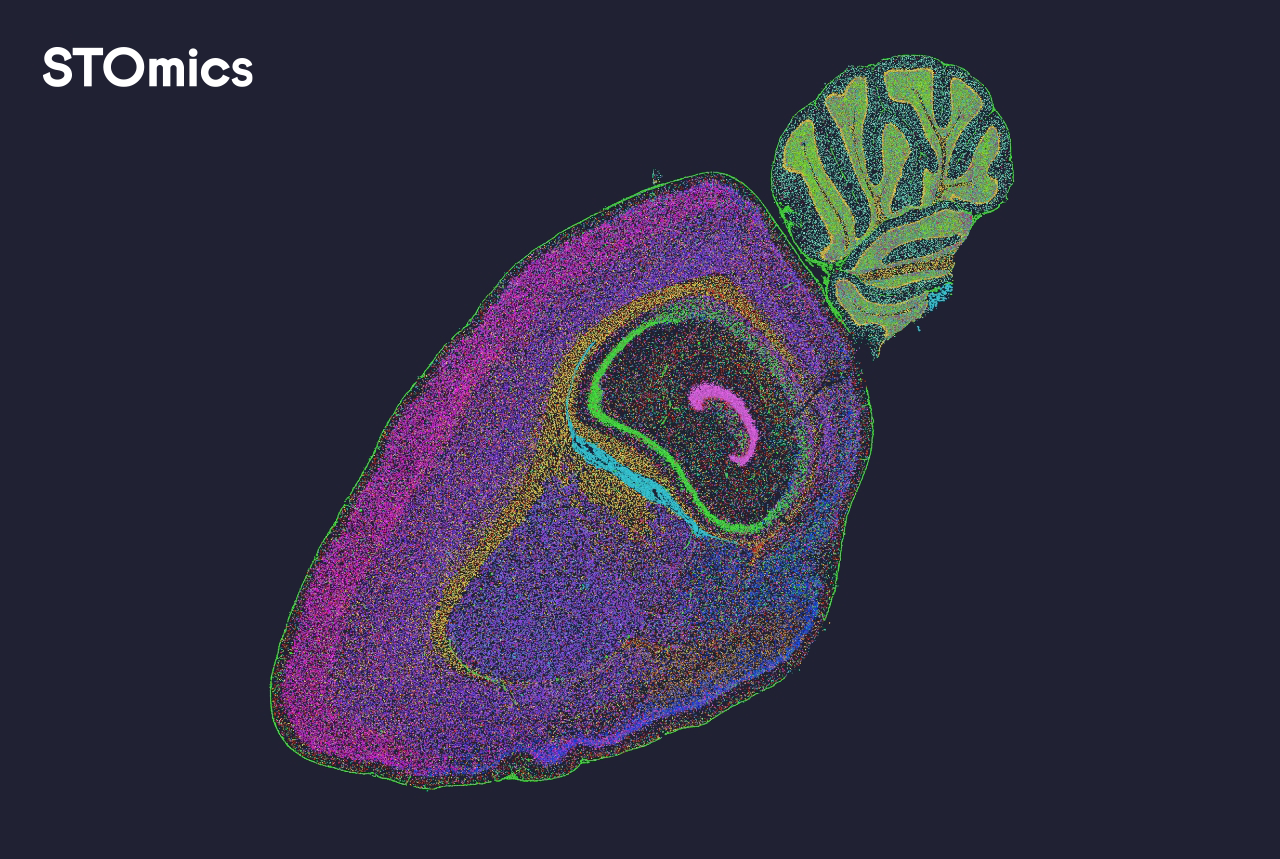
Look, vendors will sell you feature lists. I demand demonstrable reduction in repeat runs. So I compare side-by-side: two platforms, same tissue type, same operator, same day. One gives consistent spot counts and clean UMI distributions; the other needs heavy normalization to approach usable data. I pick the consistent one. That’s a measurable win. Also, I push for probe-level traceability and simple QC dashboards—give me a quick pass/fail so I can make a call at 9 a.m., not after lunch, not when everyone’s fed up.
Here’s the forward-looking move: invest in protocols that bake in QC at tissue sectioning and library prep, not only bioinformatics. Automation for consistent tissue sectioning cut my hands-on time in half during a trial in San Diego in June 2022. Small changes like that lower batch effects and improve downstream clustering. Don’t overbuy sequencing depth as a Band-Aid. Instead, fix barcoding fidelity, improve spot resolution, and standardize handling. Those things raise your usable data yield more than doubling reads ever will.
Advisory: three metrics I use to pick a solution — reproducible spot count across replicates, per-sample UMI variance within a tight threshold, and time-to-actionable-result under 72 hours. If a vendor can’t show side-by-side runs with those numbers, I shelve them. If they can show it—well, we move fast. I’ve seen the difference: a workflow tweak cut our repeat-run rate from 18% to 4% in one quarter. Small wins pile up.
I’ll keep testing tools, and I’ll keep telling the truth about what fails in the field. You want real data? Ask for raw QC exports and run them yourself. Wait—don’t trust claims alone. Try a head-to-head. I will too. For practical, no-nonsense tools and follow-up, check out stomics.