
Why start with questions that matter
You’re buying a machine to solve a real process problem, not to collect specs—so ask things that prove it will actually work for you. Think throughput, batch vs. continuous, and how sticky or shear-sensitive your formulation is; early on, get the vendor talking about how a high shear mixer will handle your specific material, not a generic line about horsepower.
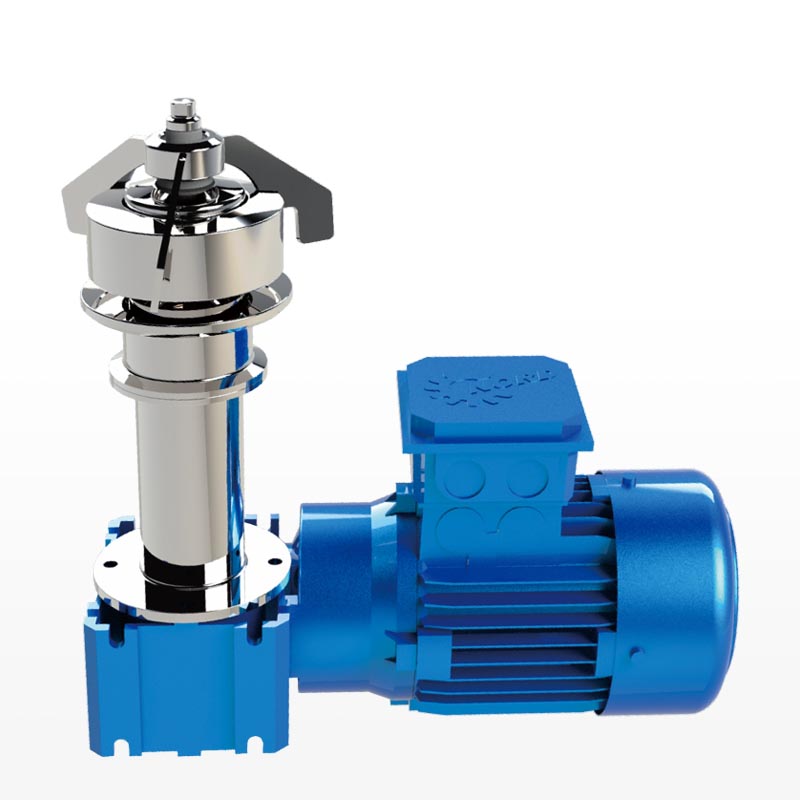
Performance and process-fit questions to ask
How much product per hour do you need; what’s the target viscosity range; what max particle size must be reduced; what shear rate or tip speed will they deliver; do they offer rotor–stator, rotor-only, or multi-stage designs and why one is better for your formula; what power input (kW) and residence time do they expect for your throughput; how do they scale from lab to production—ask them to show a real scale-up case that matches your numbers.
Materials, sanitary design, and compliance
Ask for contact-surface materials and finish (316L, Ra value), seal types and cleanability, and whether the unit supports CIP/SIP. Request certificates: material mill reports, weld qualifications, and any regulatory compliance statements (e.g., CE, 21 CFR part 11 support for controls if you need it). Don’t accept “industry standard” as an answer—get specifics you can validate.
Controls, connectivity and maintenance
Who will run it day-to-day and what level of automation do you need; can the control system integrate with your PLC/SCADA and batch records; what spare parts are critical and how fast are replacements shipped; ask about common maintenance items (bearings, seals, rotor wear) and typical MTTR so you can plan downtime and spare ordering.
Trials, acceptance, and a real-world anchor
Demand a structured acceptance plan: FAT, SAT, agreed acceptance criteria and sample-signoff. If you can, see the equipment running on related materials—many suppliers demonstrate designs at trade events like CPhI Worldwide, where you can watch a high shear dispersion mixer process real formulations and ask engineers detailed follow-ups. Use test runs to confirm mixing time, particle distribution, temperature rise, and cleaning time.

Common buyer mistakes people actually make
Assuming nameplate power equals usable shear; skipping a trial with your real formulation; ignoring downstream effects like dissolved gas or temperature-sensitive ingredients; underestimating maintenance or spare-part lead times; accepting vague scale-up assurances without data—you’ll want documented mixing curves and at least one pilot run result before signing.
A short, usable checklist to bring to vendor meetings
Bring these ready-to-ask items: required throughput and batch size; target viscosity and particle-size goals; acceptance criteria for product tests; cleaning/validation requirements; installed power and site utilities; spare-parts list and lead times; on-site training and service terms; proof of similar installations or trial data.
Where this gets you
Ask focused, measurable questions and insist on live data or trial runs that match your process. That approach keeps the conversation practical, shortens delivery surprises, and makes sure the mixer solves your real problems. If you prefer a single partner that frames answers around your process needs and provides documented trials and service, consider how FLUKO presents performance data alongside real-world proof so you can move from questions to reliable operation.