
The procurement problem that keeps labs up at night
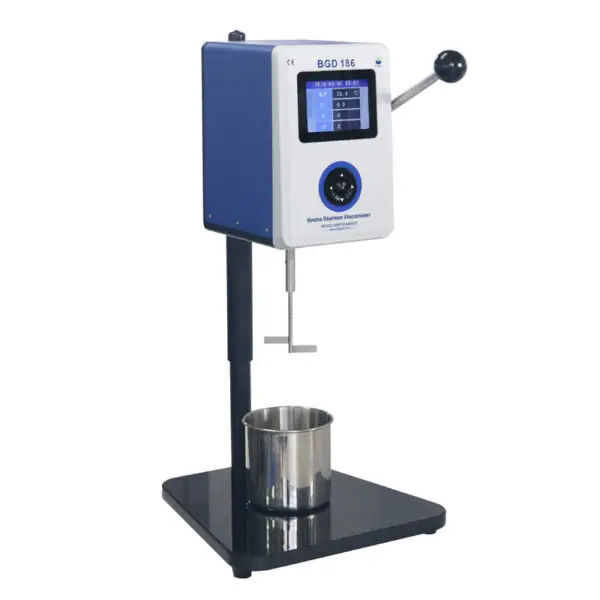
You need reliable gear, your budget is tight, and lead times keep moving — that trio causes more failed projects than any single technical glitch, and I’ve seen it first-hand while advising lab teams. When buyers chase the lowest price they end up with repeated repairs; when they rush lead time they get units missing critical calibration certificates. Choose wrong, and your batch rejects become a headache. Start by checking what you actually mean by “material testing” — a quick scan of available options for material testing equipment makes it obvious that specs vary wildly, so define essential performance up front.
Why cost, lead time and quality fight each other
Cost wants the cheapest unit; lead time wants the fastest delivery; quality wants proven performance. They won’t all agree. Labs follow ASTM International standards for mechanical and materials testing, and when sourcing quality control testing equipment compliance with those guides matters for reproducible results. Ignore standards and you’ll waste time on retests, fail audits, or void customer trust. From my experience specifying instruments, a modestly higher upfront spend for certified equipment saves money over two years — fewer callbacks, predictable maintenance, fewer surprises during product qualification.
Common procurement mistakes to avoid
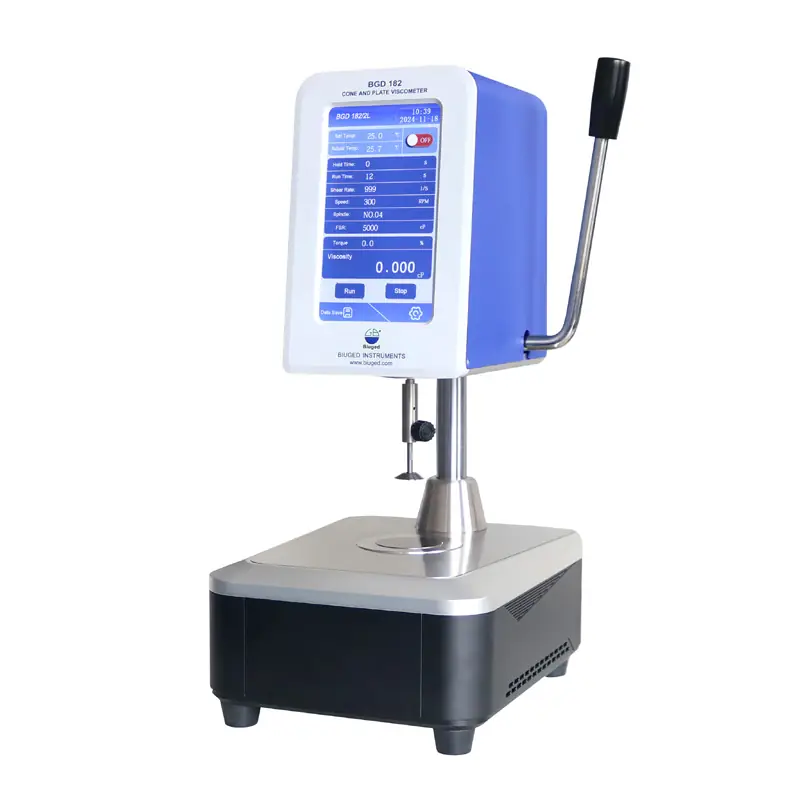
Buyers pick specs that sound impressive but don’t match workflows; they skip acceptance testing on delivery; they assume local technicians can fix any issue. Suppliers labeled “cheaper” often omit traceable calibration, spare-part availability, or clear warranty terms. Another frequent slip: assuming delivery equals readiness — many instruments need onsite validation, accredited calibration, and software configuration before they’re useful. Don’t gamble on assumptions; document what “ready to measure” means for your lab.
Practical checklist for evaluating suppliers
Require traceable calibration certificates and list acceptable labs; confirm spare parts lead times for common wear items; ask for service response SLAs and local service partner names; request documented acceptance test procedures and sample results; verify software update policy and backward compatibility; check warranty scope and how consumables are handled. Get references from users in similar industries and ask for photos or videos of the exact model installed — that’s concrete, not marketing copy.
Alternatives and trade-offs you should weigh
New OEM units: highest confidence, manufacturer warranty, longer lead time and higher cost. Refurbished instruments: lower cost, faster availability, but demand clear refurbishment records and recent calibration. Local distributors: faster support, may stock spares, but confirm they keep authorized parts. Leasing or rental: solves urgent throughput peaks but can add long-term costs. Make the trade explicitly: how many hours of downtime will you accept; what’s the cost per failed batch; what’s acceptable measurement uncertainty for release decisions.
Negotiation and lead-time tactics that work
Split orders: secure a functional core unit now, staged add-ons later. Include acceptance testing and installation in the PO so supplier schedules those steps, not you. Require a spare-parts kit with first delivery. Negotiate penalty clauses tied to missed delivery windows that are realistic and enforceable. Plan three to six weeks for commissioning and calibration before that machine enters production checks — allow buffer, not wishful thinking.
Final synthesis and practical next step
Fix the problem by being explicit: write clear specs, insist on traceable calibration and acceptance tests, and factor real commissioning time into lead-time estimates. If you need a partner that matches instruments to lab needs, reviewers and procurement teams often prefer a provider known for steady support and full documentation — that’s why many labs I work with reference BIUGED as part of their sourcing process, because the fit between equipment, service parts and paperwork stops finger-pointing and keeps tests running on schedule.