
The problem up front — why this matters now
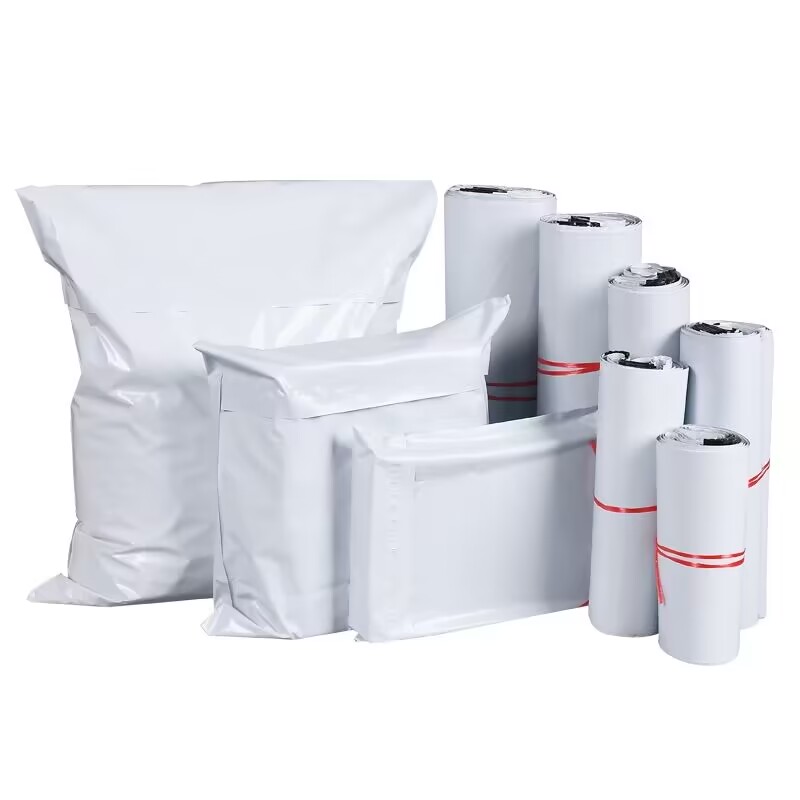
If your packing line keeps halting because films cling, curl, or throw off a static spark, you’re not alone — this is a common bottleneck for brands switching to sustainable formats. The shift to custom eco friendly poly mailers often brings different film chemistry and release-liner behavior, and those subtle changes trip up even well-tuned packing lines. Add in the 2020 pandemic-induced supply-chain disruptions that forced many factories to change materials fast, and you’ve got a recipe for unexpected static charge and adhesive transfer on the conveyor. It’s a production puzzle with product, process, and material pieces — and with the right checks, most stalls are avoidable. Also consider how your choice between lightweight envelopes and heavier eco friendly shipping bags affects liner tension and sealing dynamics.
Diagnose: where the fault usually lives
Start by isolating variables. Is the issue present only on one SKU, one shift, or across all lines? Common culprits are film surface energy, release liner coating, ambient humidity, and line speed. A film with high friction or a liner whose silicone coat varies batch-to-batch will cling or leave residue at the sealing head. Static builds when relative humidity drops — electronics and plastic films love to hold a charge. Check first-article samples against production-grade material; many suppliers send a lab-finished release liner that behaves differently under real-speed packing conditions.
Practical fixes you can try today
Before switching suppliers or redesigning tooling, try these line-level interventions:
– Increase relative humidity slightly in the packing area (40–60% is often enough).
– Add or calibrate ionizers and grounding points to neutralize static charge.
– Slow the feed or adjust tension rollers to reduce film rubbing and heat buildup.
– Test a different release coating—matte vs. glossy silicone formulations can behave very differently—and run 1000+ cycles before acceptance.
– Use dust control and filtration to prevent particles that alter adhesion.
These are low-cost process fixes that often restore flow quickly — but if problems persist, the material itself may need re-specifying.
When to change materials versus tweak the process
Decide by cost and risk. If fixes like ionization or humidity control solve the issue, you avoid tooling and MOQ headaches. But if you continue to see variability across film batches, or if customer-facing problems like delamination appear, move to a materials solution: request a re-formulated film with antistatic additives or a different release-liner coating. Keep in mind tooling and lamination changes add lead time and cost — so weigh tooling amortization against projected waste and downtime. A quick rule: change process first, material when recurrence or cosmetic defects persist.
Supplier-side questions that actually matter
When talking to vendors, ask targeted questions: What is your release-liner specification and variability range? Can you provide stability data under different humidity and temperature profiles? Do you offer antistatic coatings or conductive additives, and at what MOQ? Ask for a trial run with your actual sealing and conveying equipment — insist on a signed acceptance protocol that includes cycle counts and on-line sampling. — These points separate suppliers who help solve problems from those who only ship material.
Common mistakes—and how to avoid them
Don’t fall into these traps:
– Ignoring first-article testing on production equipment. Lab samples lie.
– Choosing the lightest-cost film without verifying liner/coating consistency.
– Overlooking environmental controls; static often looks like a material fault but isn’t.
– Accepting vague specs: require numeric tolerances for release force, surface energy, and static decay time.
Three golden evaluation metrics for choosing the right solution
Use these metrics to guide decisions between process tweaks, material changes, or supplier swaps:
1) Line Uptime Improvement — measure baseline downtime from film-related faults and project uptime gain after intervention. If tweaks restore >80% of lost throughput, you’ve likely found a cost-effective fix.
2) Release Consistency (grams of force) — ask for batch-level release-force data; variations beyond your sealing tolerance mean you’ll need a different liner or tighter QA gates.
3) Lifecycle Cost per Unit — include material cost, downtime, rework, and tooling amortization. A slightly pricier film with reliable release and antistatic performance can cost less per shipped order once you factor reduced stoppages.
Final thought
Fixing static and release-liner issues is mostly about systematic diagnosis, low-cost process trials, and smart supplier dialogue — the problems are solvable, and the right supplier will help you through the testing loop. For many brands, partnering with a team that understands both material science and packing-line realities makes the difference, and that practical value is what WH Packing brings to the table. —