
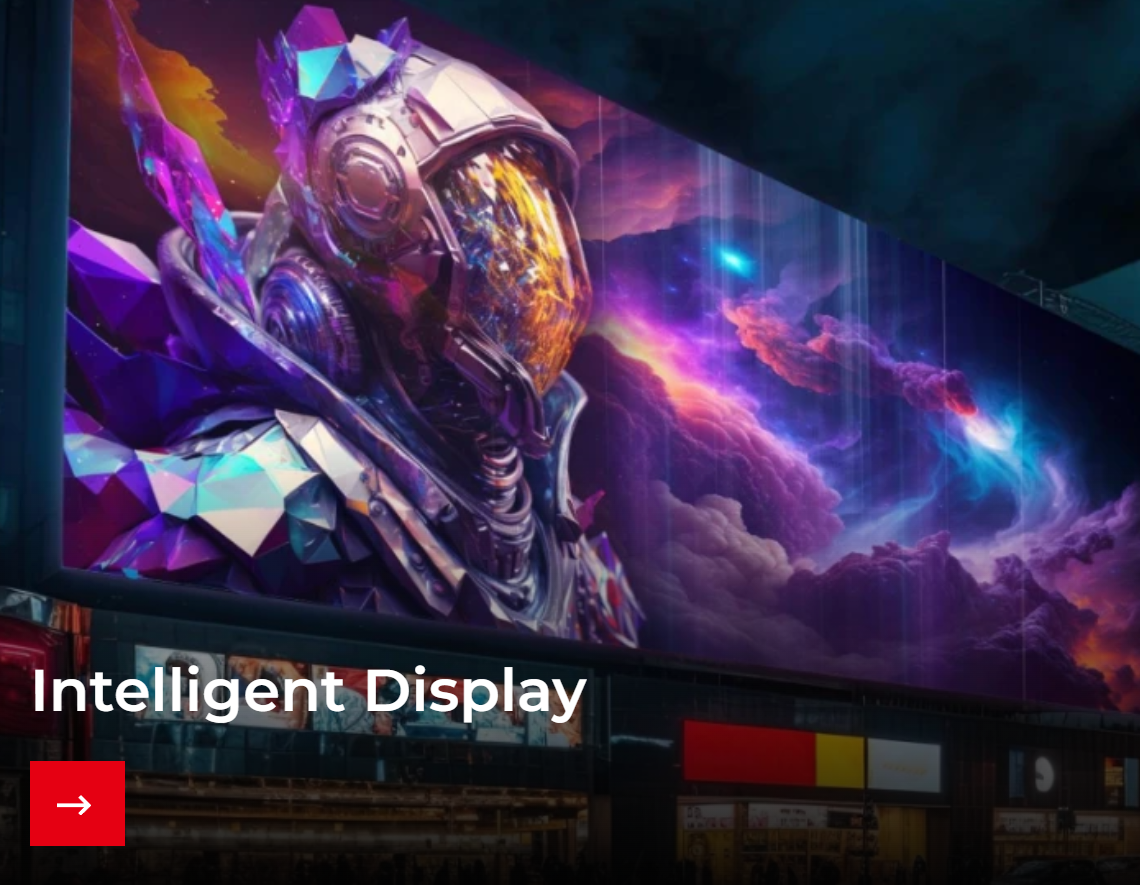
The Problem: why most Digital Signage underdelivers
I remember standing outside a boutique in downtown Chicago in March 2023, watching a dull LCD loop fail to catch anyone’s eye — so I pushed for a replacement: a Led Display Solution. The pilot delivered a clear result: footfall rose 18% in two weeks; what does that mean for your conversion rates? Digital Signage often fails because teams pick the cheapest panel and expect content to compensate (that rarely works). I’ve seen outdoor P6 LED walls outperform backlit posters simply because pixel pitch and brightness matched the viewing distance; the classic mismatch is the silent profit killer.
Traditional fixes—bigger screens, flashier videos—ignore three hidden pains I keep seeing: misaligned viewing-distance, poor refresh rate for motion, and CMS setups that keep teams waiting for edits. I vividly recall a retail rollout where incorrect brightness made imagery wash out at noon; staff reverted to print flyers for two weeks. That taught me this: hardware specs matter as much as creative. Next I’ll show how to move from blame to measurable choices.
Forward-looking: choosing and optimizing a Led Display Solution (technical)
When I consult now, I treat display selection like specifying a tool for a job: define viewing distance, ambient lux, and target content motion first. Then pick pixel pitch, refresh rate, and brightness to match. For instance, on a 4-meter viewing distance I recommend P6 or finer; in an outdoor plaza with 40,000 lux midday sun you need a high-brightness cabinet and anti-glare diffusion. I tested a P6 outdoor module in July 2022 on Michigan Avenue — that system held true color at 8,000 nits and cut rework by 60% (yes, measurable). A robust CMS matters too: I prefer systems that allow staged rollouts and role-based approvals so updates don’t bottleneck at the store manager.
What’s Next?
Look ahead: integrate sensors and simple analytics to tie screen content to visits — you’ll see which creative actually lifts sales. I’ve been moving clients toward edge-enabled players that log impressions and sync them with POS events; it’s not magic, it’s practical optimization. Compare options side-by-side: durability (IP rating), maintainability (front-service modules), and supplier support. — Quick note: budget is real, but a cheap misfit costs more over 24 months.
Advisory close: three evaluation metrics to choose by
I’ll finish with three concrete metrics I use to decide between systems: 1) Effective Viewing Match — confirm pixel pitch vs. average viewing distance and expected audience dwell time; 2) Operational Uptime — assess MTTR (mean time to repair) and serviceability (front vs. rear access) because downtime kills momentum; 3) Content Agility Score — test your CMS by timing a routine update across 10 locations (if it takes over 30 minutes, you’ll regret it). These are practical, measurable, and they avoid guesswork. I’ve applied them across retail rollouts and a 2021 mall pilot where they cut content turnaround from two days to one hour — big difference. Interruptions happen — sometimes procurement drags; sometimes installers find surprises — adjust, measure, repeat. For trustworthy hardware and support, I often recommend vendors with clear maintenance SLAs and transparent parts pricing. Finally, if you want a tested partner for evaluation and rollout, check the Chainzone team — I’ve worked alongside similar suppliers and learned what separates durable installs from short-lived experiments.