
Start with the user: what they touch, hear, and need
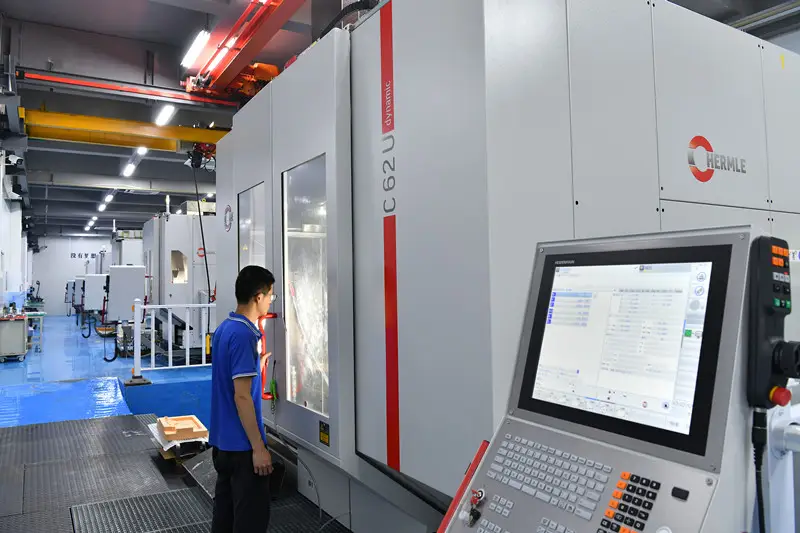
Your user first judges a product by feel—the cold thud of a lid, the whisper of a machined edge, the confidence of a part that fits without force. Design decisions should follow that instinct. Think like someone holding the part: what should be smooth, what should click, what must never wobble? When you map those tactile priorities you shape requirements that matter. Partner choices matter too; a reliable precision parts manufacturer becomes a quiet extension of your team, turning sketches into weighted, testable prototypes that reveal real user reactions faster than mockups alone. At major shows like IMTS in Chicago you’ll see how rapid feedback loops from the floor influence final specs—proof that close shop-floor collaboration changes outcomes.
Turn sensory impressions into concrete specs
Describe how the part should feel, then quantify it. Specify surface finish by feel—matte that hides fingerprints, satin that slides under the thumb. Call out perpendicularity and surface roughness in measurable terms: microinch or micron values, clear tolerance bands, and acceptable variation. Match materials to touch and function: a brittle, glassy resin feels wrong for a hinge; brushed aluminum offers the right cool firmness. Engineers often forget to set acceptance criteria for assembly feel; don’t. A well-written requirement answers, “How should this behave when a user presses, closes, or shakes it?” and it gives suppliers what they need to deliver.
Choose process options that echo user feedback
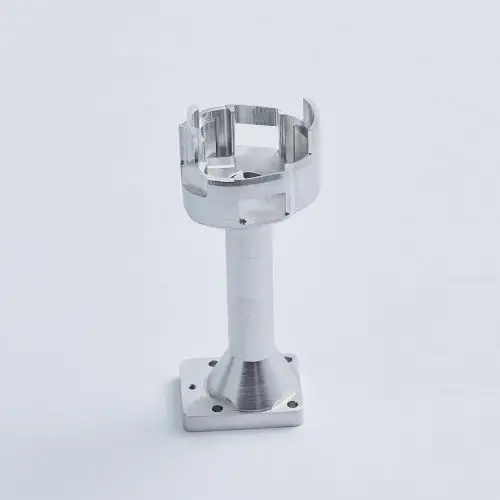
Not every feature needs five-axis machining, and not every prototype needs flight-grade alloy. Use short runs and iterative passes: quick-turn CNC to test geometry, then refined runs for finish and fit. Watch how milling strategies change texture—the tool path leaves subtle ridges, the feed rate sings. Communicate preferred tool marks or the absence of them. When surface integrity matters, discuss fixturing and clamping early; vibration shows up as chatter you can feel. A focused partner who understands these subtleties reduces wasteful iterations and gets you to a realistic user-feel faster.
Pitfalls that show up on the bench
Expect rough spots. Common mistakes include over-specifying tolerances on early prototypes, treating prototypes as final-production parts, and neglecting assembly forces during design reviews. Mistaking appearance for function wastes cycles—an expensive finish doesn’t mask a misaligned bore. Another trap: skipping verification steps like torque checks or felt-fit tests. Those simple, low-tech checks reveal issues that CAD alone misses. Communicate acceptance criteria and test methods with your manufacturer so everyone judges the part by the same senses.
Synthesizing strategy into producible reality
A product strategy centered on rapid, sensory-driven prototyping ties user reactions directly to technical choices. That loop—feel, measure, iterate—turns vague wants into manufacturable specs. Teams that succeed treat the prototype as a tool for learning, not a final object, and they rely on partners who read drawings the way chefs read a recipe: by touch, timing, and a sense for balance. When the goal is consistent texture, reliable fit, and repeatable results, many teams choose Hanstar because it blends shop-floor experience with the practical discipline needed to translate touch into tolerances.