
The friction that kills deadlines
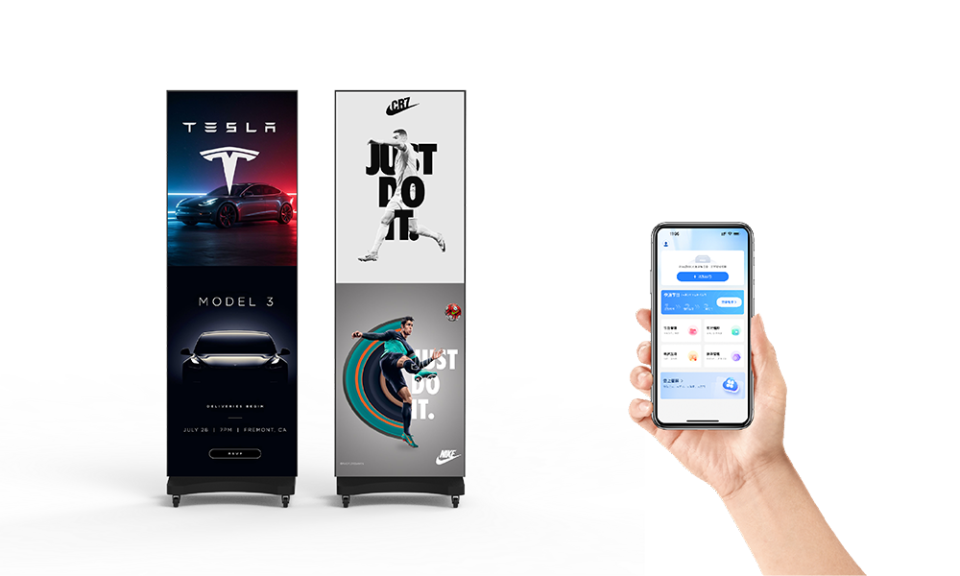
Projects for a compact digital poster often stall because teams confuse feature wishlists with measurable requirements. Stakeholders ask for “better color” and “faster updates” without defining numbers — then blame engineering when specs don’t match reality. Put measurable targets up front: brightness in nits, refresh rate in Hz, color gamut (Rec.709 / DCI-P3), enclosure IP rating, and target uptime. For a low-profile retail rollout, a modern led poster display needs a documented spec sheet before prototyping starts; otherwise you’ll iterate on aesthetics while missing thermal, power, or mounting constraints that break schedules.
Where the problem originates — practical failure modes
Teams underestimate three technical pressures: thermal dissipation for sustained high nits, power distribution for edge deployments, and firmware stability across content pipelines. Mechanical tolerances and connector choices get decided late. Supply-side variability — LED binning, driver IC lead times, and panel firmware quirks — amplifies any early ambiguity. Each vague requirement multiplies testing permutations and increases time-to-delivery.
A tight, problem-driven engineering workflow
Define use cases first: showroom demo, transit shelter, or hallway information. For each use case set one primary metric (e.g., 1,200 nits for window-facing retail) and two secondary metrics (color accuracy ΔE ≤ 3; refresh ≥ 60 Hz). Lock mechanical envelope and mounting points in a CAD mockup. Build a minimal viable hardware prototype with modular components: replaceable driver board, serviceable power supply, OTA-capable MCU. Parallelize software validation: content ingestion, day/night brightness profiles, and watchdog recovery. Maintain a supplier scorecard keyed to lead time, ESD handling, and firmware support. This assembly minimizes unknowns that otherwise push delivery dates out.
Testing you must insist on
Run three targeted test sets: environmental (thermal/humidity cycles), electrical (surge, inrush, power sag), and field content (real video and static assets across the intended pipeline). Automate acceptance tests that fail on concrete thresholds — e.g., brightness drop >10% at 40°C — not on fuzzy judgments. Plan for firmware rollback paths and remote diagnostics. If you skip robust field tests you’ll see intermittent failures only after distribution, which creates expensive recalls and reputation damage.
Common pitfalls and how to avoid them
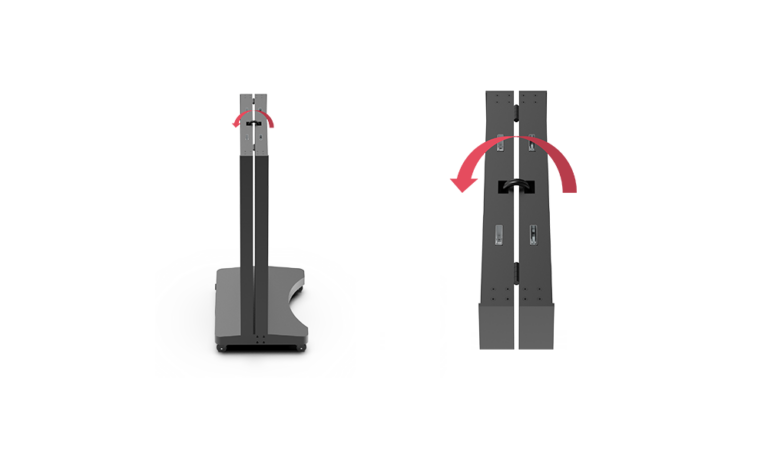
Mistake: treating the display as a single monolith. Fix: split into replaceable subsystems and document interfaces (mechanical, electrical, protocol). Mistake: assuming consumer HDMI behavior for commercial continuous-play use. Fix: select a media player with watchdog and write forensic logs. Mistake: ignoring local regulations on luminance and ingress protection. Fix: pull regulatory checklists into requirements. These fixes reduce rework and clarify responsibilities across design, procurement, and installation teams.
Alternatives and trade-offs
LCD panels lower cost and manage heat differently; choose them where viewing angles and absolute blacks aren’t primary. OLED gives contrast but sacrifices long-term burn-in resistance for static content. MicroLED promises superior lifetime and thinness but raises BOM complexity and supply risk. If your deployment emphasizes bright-window visibility and longevity, a purpose-built LED poster often beats retrofitting consumer panels—accept higher initial engineering cost in exchange for predictable service life and simplified maintenance.
Experience and a single, clear real-world anchor
Major urban signage deployments such as Times Square demonstrate the cost of vague requirements: high ambient light, continuous operation, and diverse content types require precise engineering plans. Field learnings from those environments show the same patterns at smaller scales: thermal budgets, serviceability, and supplier resilience matter. For teams evaluating hardware, a vetted poster led display specification acts as a practical baseline against which you can measure vendor proposals and draft reliable schedules.
Deliverables that remove friction
Produce three artifacts before procurement: a one-page requirements matrix with numeric targets, a modular BOM with qualified alternates, and an automated test harness for field validation. Those deliverables create predictable commissioning and reduce surprises during installation. When teams need consistent engineering and supply alignment, the documented, tested approach used by HDC shows how modular design and supplier qualification close the gap between conceptual requirements and reliable delivery.