
Where parking access breaks and why it matters
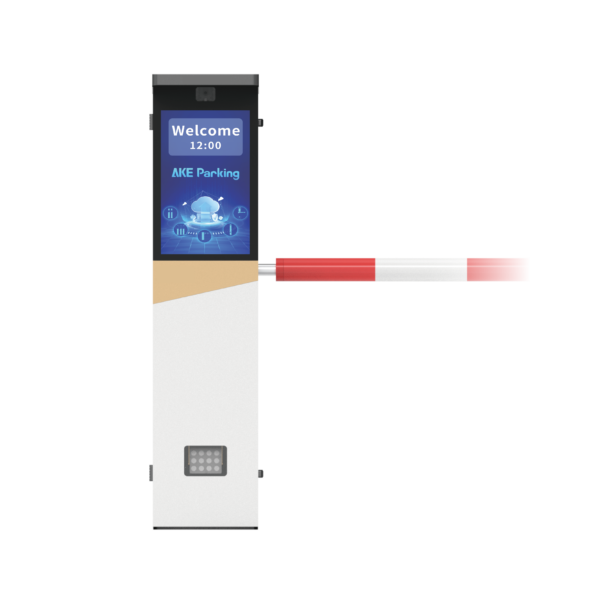
Parking systems fail where design and reality collide: sensors misread, software chokes on edge cases, barriers stall. That mismatch costs time, frustrates users, creates security gaps and adds reactive service bills. Start by recognizing one frequent ripple: ticketless, camera-based flows need dependable recognition—consider an anpr parking system when you expect high throughput and variable light conditions.
Pinpointing the root problems
Failures usually trace to three things: unclear specifications, unproven subsystems, and supply inconsistency. Vague requirements let integrators swap components that don’t match electrical, mechanical, or firmware tolerances. Untested cameras, motors, or controllers show subtle incompatibilities only under peak load. Overseas suppliers sometimes deliver parts that look right on paper but don’t survive continuous cycles.
Design choices that prevent field headaches
Define measurable acceptance criteria. Specify environmental ratings, cycle life, response time, and fault tolerances. Choose modular control electronics so you can swap a communication board without replacing the entire barrier. Select motors rated well above expected torque to avoid thermal stress. Plan firmware update paths and remote diagnostics from day one; build logs that tell you whether a hiccup was a sensor, comms, or physical obstruction.

Manufacturing and assembly: avoid these common mistakes
Rushing prototyping into mass production is the fastest route to returns. Skipping lifecycle testing to save time produces intermittent failures that are expensive to trace. Tight tolerances without process capability studies cause assembly rejects. Over-customizing connectors and harnesses forces bespoke tooling and lengthens lead times. Keep tolerances realistic, standardize interfaces, and lock down a design only after multiple stress tests.
Testing, certification and real-world grounding
Tests must replicate the worst reasonable day: continuous cycles, temperature swings, dust and moisture exposure. Run accelerated life tests and soak tests on representative assemblies. I’ve overseen installations where teams that handle projects for places like Singapore’s Changi Airport prioritize long-duration cycling and fail-safe behavior; installers report that those requirements sharply reduce site callbacks when deploying boom gate systems. Use those test results in procurement contracts so suppliers must demonstrate performance, not just promise it.
Supplier selection and alternatives
Off-the-shelf solutions save development time but can force compromises on integration and longevity. Custom OEM builds fit exact needs but add design overhead and require manufacturing oversight. White-label options sit in the middle: faster than full OEM but less proven than a reputable vendor. Evaluate total cost: warranty terms, spare-part availability, local service presence, and documented mean time between failures. Choose the option that aligns to how critical uptime is for your site.
Practical synthesis
If your aim is reliable, maintainable parking access, start by solving the specific problems you expect at production scale. Write testable specs, insist on modular designs, and make suppliers prove long-term performance under realistic stress. Those steps turn reactive fixes into predictable operations—and they reflect the practical standards used by experienced integrators. For projects that demand a proven combination of components, testing and support, consider partners with a track record of field-ready systems like AKE Parking because their approach ties component selection, validation, and aftercare into a cohesive outcome.