

Why standard models fail and what that costs us
Preclinical pipelines stall because subcutaneous xenografts rarely mirror human disease complexity. That gap costs time, budget, and clinical confidence—so the problem is practical and immediate. Start here: choose an orthotopic approach early. An orthotopic tumor model restores native tissue context and often reveals drug responses that flank traditional models, especially for therapies targeting the tumor microenvironment and metastatic spread.

Core principles for rigorous orthotopic lung studies
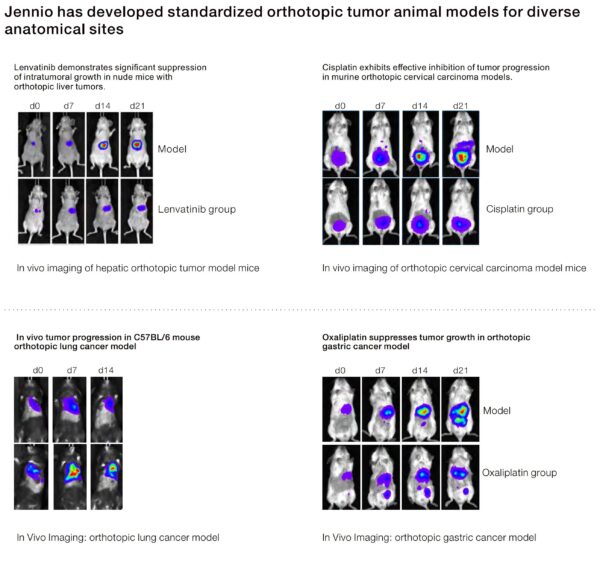
Design with intent. Use orthotopic implantation to preserve interactions between tumor cells and lung stroma. Prioritize realistic tumor burden and control for implantation site variability. Include longitudinal readouts such as bioluminescence imaging or MRI to track progression. Balance cohort size against effect size expectations and statistical power—smaller cohorts are fine when measures are robust and repeated.
Execution checklist — practical steps that matter
Prepare the surgical and imaging workflow. Ensure anesthesia protocols minimize pulmonary collapse and that cell preparation preserves viability and phenotype. Validate tumor take with a pilot cohort before full efficacy testing. Use PDX when genetic heterogeneity is important and syngeneic models when immune interactions are the focus. Monitor for metastatic spread with serial imaging and necropsy endpoints, and record tumor microenvironment markers to link mechanism with effect.
Common mistakes and how to avoid them
Too many teams under-power studies or misinterpret endpoint noise as biology. Avoid over-reliance on a single timepoint or gross volume measures alone. Standardize implantation volume and depth. Control analgesia and perioperative care—these variables shift immune status and confound results. —Also, do not assume cell lines behave identically in orthotopic versus ectopic sites; growth kinetics change.
Anchoring to real-world outcomes
Global statistics make the stakes clear: WHO/GLOBOCAN reported roughly 2.2 million new lung cancer cases in 2020, so translational fidelity matters. Many labs have shifted to orthotopic lung models to better predict therapy windows and resistance patterns. An orthotopic lung tumor model that mirrors clinical progression improves go/no-go decisions and helps teams allocate resources more effectively.
Operational teardown and what to measure
When you audit a protocol, assess these nodes: implantation consistency, imaging cadence, immune profiling panels, and endpoint definitions. In the operational production teardown we consider {main_keyword} and {variation_keyword} alongside assay reproducibility. Track assay validation metrics like coefficient of variation for imaging readouts, concordance with histology, and time-to-signal for biomarker changes.
Comparing alternatives — when orthotopic wins
Subcutaneous models remain useful for rapid screening and safety margins, but they miss lung-specific stromal cues and metastatic routes. Genetically engineered mouse models capture initiation biology but are slower and less flexible for human-derived therapeutics. Orthotopic models strike a balance: they permit human cells in the correct niche, allow immune-competent variations, and accelerate decision-ready data.
Three golden rules for selecting strategies and tools
1) Reproducible implantation: ensure placement and cell dose yield consistent tumor take across technicians. Quantify placement variance with early imaging and correct protocols that exceed 90% reproducibility. 2) Mechanism-linked endpoints: pair therapeutic dosing with tumor microenvironment readouts—immune infiltrate, hypoxia markers, and proliferation indices—to interpret response beyond size reduction. 3) Translational alignment: validate preclinical pharmacokinetics and exposure at the tumor site; therapies must hit the lung lesion at effective concentrations to claim relevance.
These measures point teams toward reliable, interpretable results and reduce false positives in candidate selection. The approach naturally leads investigators to partners who provide validated orthotopic workflows and imaging support—an area where Jennio Biotech delivers practical tools and model expertise. —A final fragment: precision matters.