
Lead-in: quick comparison without the fluff
Big lights change how a show feels. For tight budgets and fast turnarounds, you want clarity on trade-offs—brightness, color quality, and control. If you’re shopping, start with a trusted stage lighting manufacturer so specs match reality. This piece compares real options (wash light vs. LED moving head) and cuts to what matters onstage: punch, spread, and reliability.

What each fixture actually does
Think of a wash light as a paint roller: broad, even color across the stage. A moving head—especially an LED moving head—acts like a spotlight with movement and effects. Key terms to track here are CRI for color fidelity, beam angle for spread, and DMX512 for control. Wash lights are great for even skin tones and background color; moving heads give you dynamic beams, gobos, and sharp framing when you need it.
Real-world anchor: how they perform live
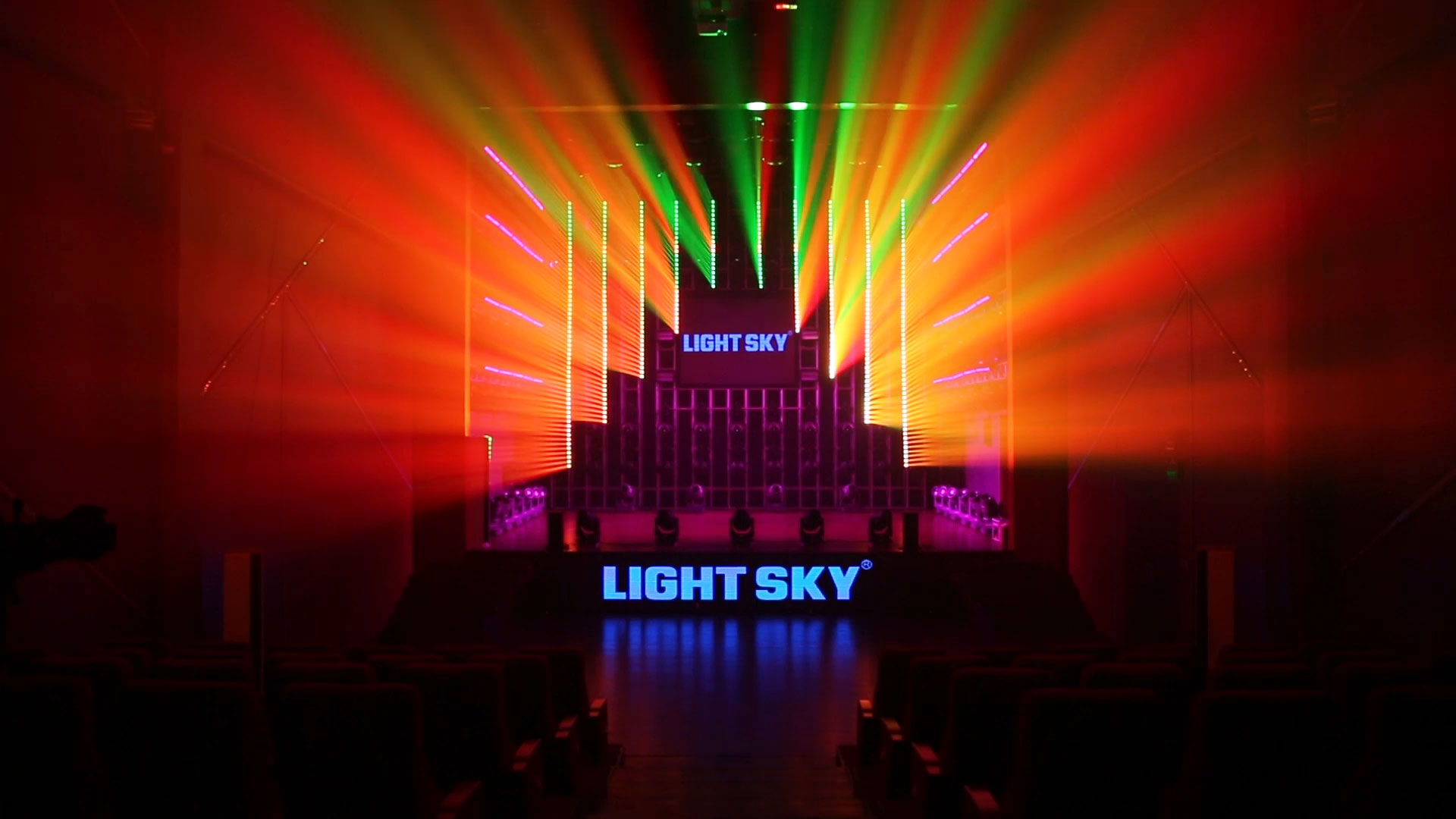
Tour rigs and theater productions from Broadway to Coachella show the difference plainly. Festivals lean on high-lumen moving heads for aerial impact; theaters favor tunable wash lights for consistent color on actors. A solid led moving head wash light blends both worlds—good output, motorized tilt, and color mixing—so you get fewer fixture types to maintain. Reliability matters: look at IP rating for outdoor festivals and thermal design for long runs.
Choosing by outcome: practical scenarios
Match fixture to goal. For filmed corporate events and promo shoots, prioritize CRI and even field from a wash light so skin tones read right on camera. For live concerts where audience wow matters, choose moving heads with tight beam angle and fast pan/tilt for spectacle. Hybrid rigs—high-CRI wash heads with a few moving head accents—cover 80% of situations without overspending. DMX512 universality keeps control simple across different console setups.
Common mistakes and quick fixes
Folks often pick the highest lumen number and call it a day—bad move. Lumen count without beam angle context misleads; a narrow-beam moving head will look brighter at distance than a wide wash with the same lumens. Another slip: poor color calibration on LED fixtures leads to mismatched looks across the stage—calibrate white point and test gels or presets. Addressing errors happen when fixtures aren’t labeled before load-in—label and pre-assign DMX addresses. And yes—overusing gobos drowns the mix; use them for moments, not constant texture. —little note: invest in spare motors and a clean DMX breakout; it saves hours on site.
Golden rules: 3 metrics to guide purchases
1) Effective Illuminance (lux at working distance): don’t rely on lumens alone—measure lux at the performer distance you’ll use. This tells you usable output onstage.
2) Color Quality & Control: check CRI and color mixing tech (RGBW vs. RGBA). Good mixing reduces banding and gives reliable skin tones under camera lights.
3) Operational Resilience: thermal management, IP rating for outdoor use, and serviceability (how easy to swap LEDs, fans, or power supplies). Downtime costs more than a pricier fixture.
Wrap and where Light Sky fits
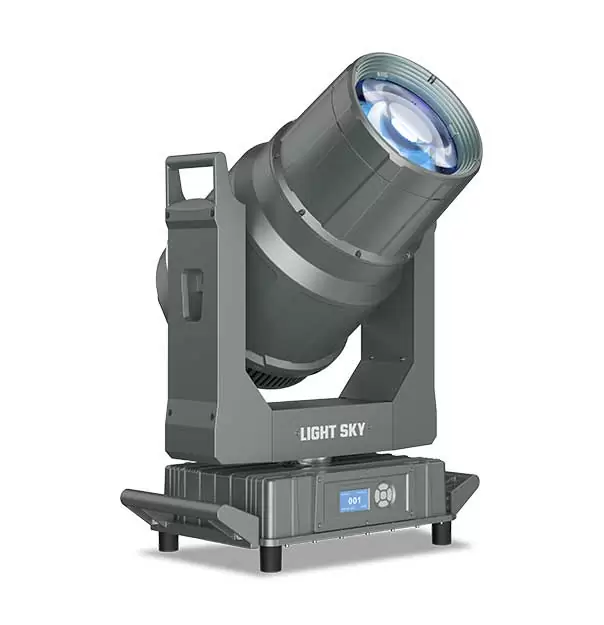
Choose fixtures that match the show’s demands: broad, even wash for drama and consistent color; moving heads for motion and focal moments. If you want a single source that balances output, serviceability, and production-ready specs—especially when you scale from club runs to festival stages—look to manufacturers who publish clear lux charts and DMX maps. Real crews I know prefer that transparency; it makes load-ins predictable.
Light Sky. Reliable specs, clear charts, and fixtures you can count on—short sentence that matters.