
Root Problems: Where Traditional Solutions Break Down
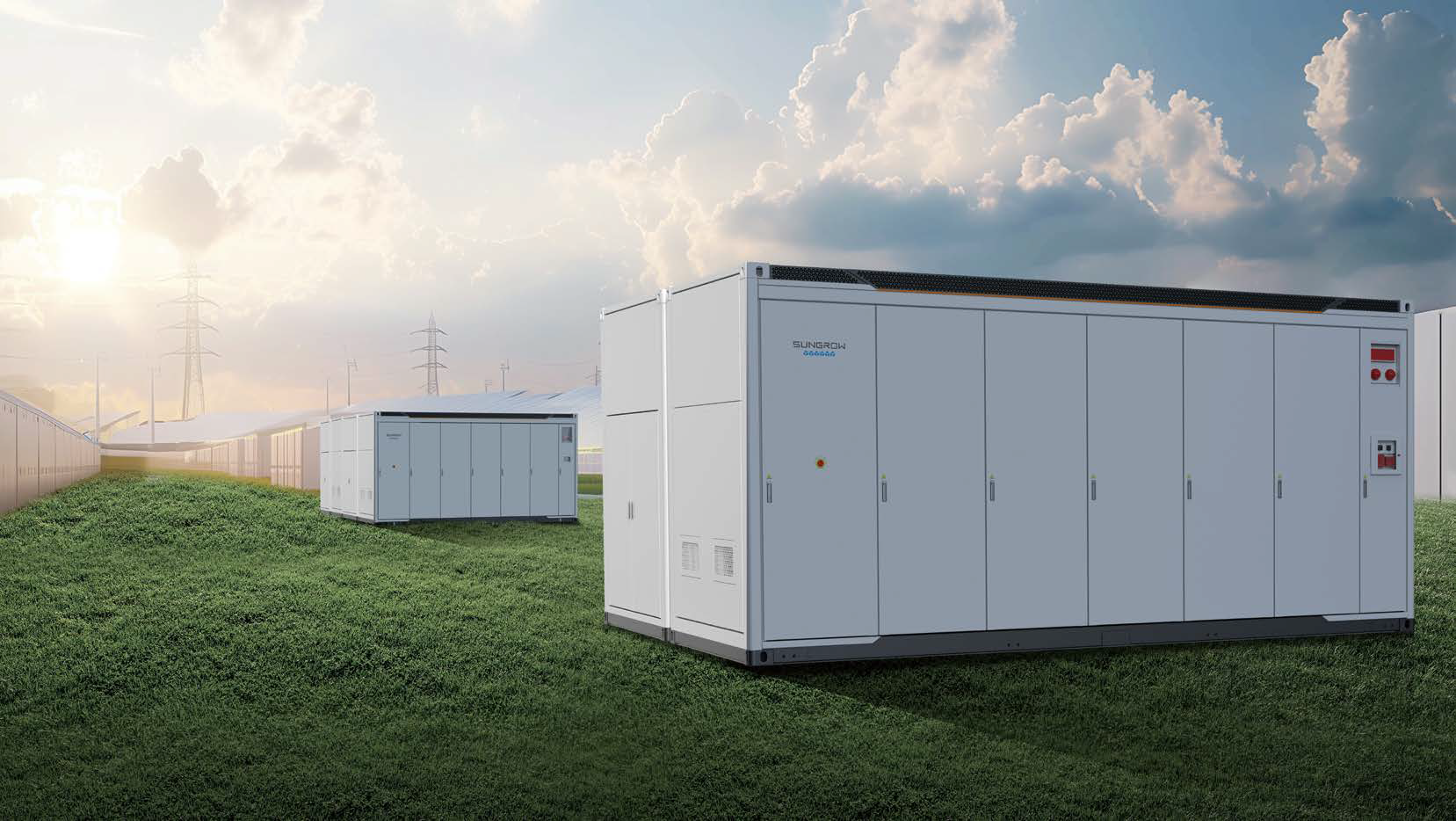
I work daily on battery storage utility scale projects; failure to plan for realistic balance-of-system issues costs owners millions. On a July afternoon in 2021 at a 100 MW / 400 MWh LFP deployment in West Texas (supply chain friction and local permitting lagged), six weeks of delay produced a $1.2M liquidated-damages hit — how do owners stop that when utility scale battery storage is sold as the reliability fix? I say this from hands-on procurement work: the common failures are not chemistry, they’re assumptions. We assume lead times, spare-part access, and interconnection windows stay fixed. They don’t. That flawed assumption cascades into engineering change orders, inverter firmware mismatches, and prolonged commissioning. In plain terms: the inverter model you spec in contract matters as much as the cell chemistry (LFP), and I’ve seen a single firmware mismatch cost three days of full-site downtime and a subsequent $200k revenue loss.
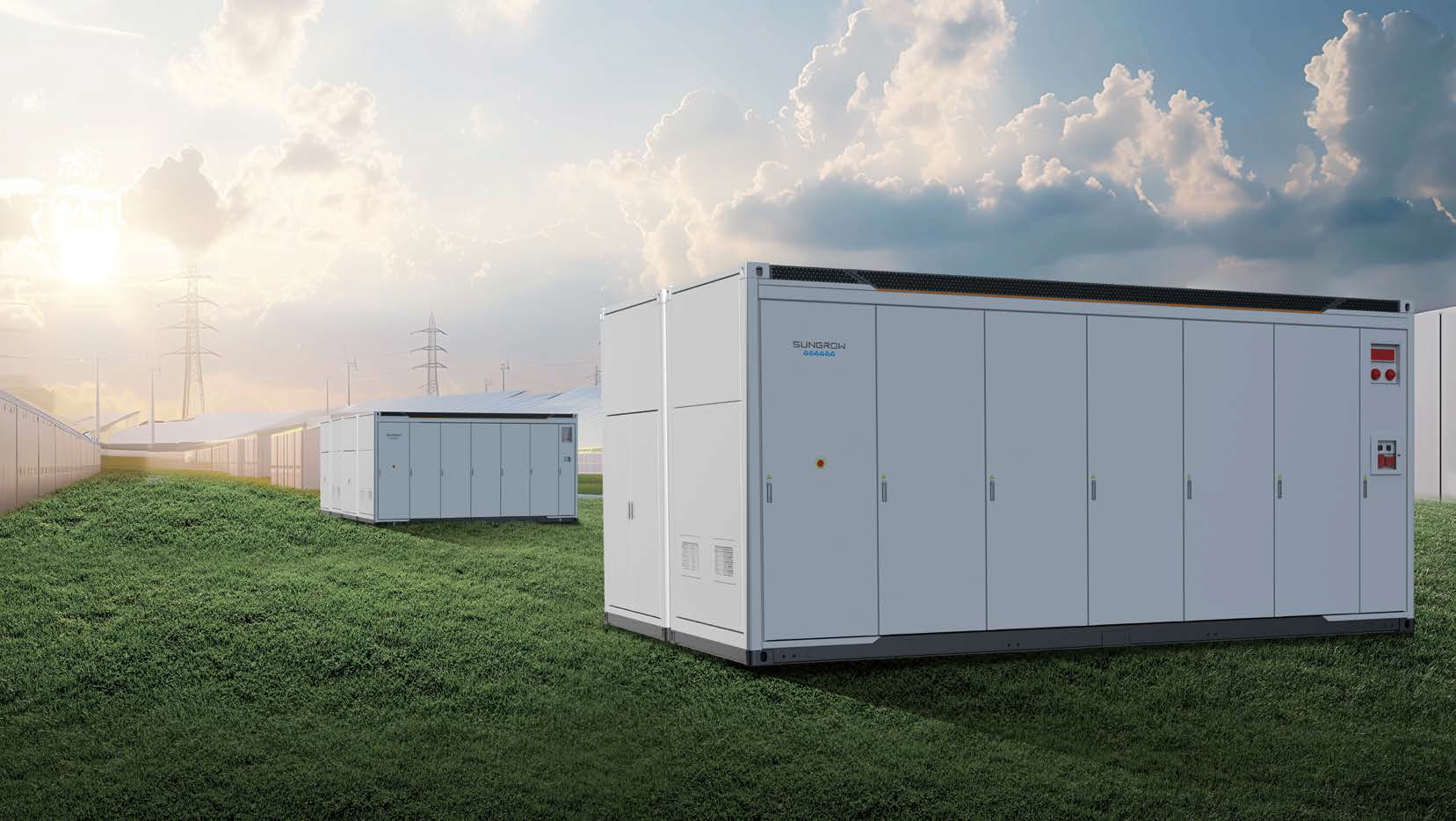
From project scoping through handover, I identify three persistent pain points that vendors underplay: logistics rigidity, insufficient contingency on grid services integration, and under-budgeted operations staffing. I handled procurement for a mid-2020 utility tender where the supplier quoted two weeks for on-site commissioning; reality required eight. We logged a quantifiable consequence: every additional week beyond the contract window reduced monthly revenue by 8% because the site missed peak-shaving seasons. We also misjudged frequency regulation interoperability — the BESS responded, but not within the grid operator’s deadband (that inverter setting—ugh). These are not abstract risks; they are specific line items you can budget and test for. (Note: I always push for field-level factory acceptance tests that mirror the exact SCADA commands we expect to see on site.)

Real-world Impact
Forward View: Comparative Paths and Practical Metrics
Technically speaking, choosing between DC-coupled and AC-coupled topology is only the beginning; you must evaluate life-cycle service plans, spare-part pools, and control-software update policies. In projects I led in Q4 2022, we compared three suppliers on equal size 80 MW / 320 MWh scopes — one vendor offered full remote-monitoring and guaranteed response SLAs, another provided cheaper modules but no on-call technicians, the third bundled inverter upgrades at set intervals. The cheapest option failed twice in the first year because the vendor’s parts lead time was 12 weeks; the middle option cost more upfront but saved us 11 outage days. When I talk to wholesale buyers I press two points: quantify downtime risk, and demand transparent spare-part timelines. For battery storage utility scale to deliver grid services reliably, you need to model worst-case parts replacement scenarios and simulate frequency regulation events against the exact firmware you’ll operate with. Wait — test the firmware on a system emulator before signing final acceptance. We ran that emulator in Houston for a 60 MW project and caught a mis-mapped telemetry tag that would have caused false SOC reporting; fixed it in two days rather than in the field.
Choosing a Solution: Three Practical Metrics I Use
I recommend evaluating offers using three concrete metrics that matter in procurement decisions: 1) Mean Time To Repair (MTTR) under contract (in days, with supplier-committed spares locations); 2) Guaranteed response SLA for control-software issues (hours); 3) Verified interoperability score — a documented pass/fail on grid services tests run against your operator’s telemetry (include test logs). I’ve tracked these numbers across five large bids and they correlate strongly with first-year availability. Also — don’t ignore local crew training minutes; I once mandated 40 hours of on-site operator training and it cut human-error incidents in half. When you apply these metrics you move conversations from glossy claims to measurable outcomes. I still believe a clear, signed MTTR and a validated firmware test log are the two simplest risk mitigants. Stop buying on price alone; buy on predictable uptime. For practical vendor selection and continued support, consider partners with proven field-service footprints and documented spare inventories — that’s why I look at suppliers like sungrow when shaping resilient procurements.