
True Costs of Band‑Aid Fixes
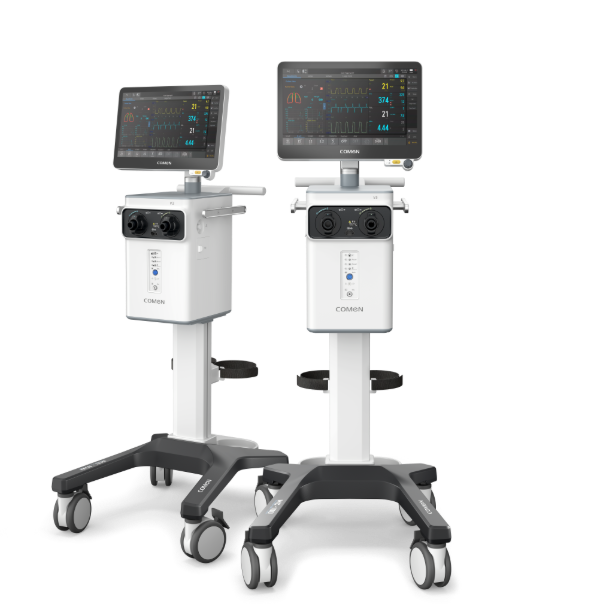
I remember a chaotic night in St. Mary’s Hospital ICU in March 2020 when our fleet of icu machines and equipment kept throwing alarms (and yes, we were exhausted). A sudden influx of six critical patients, 40% of bedside ventilators in alarm state and two infusion pumps offline — what choices did we have, and can we justify patching systems that keep failing?
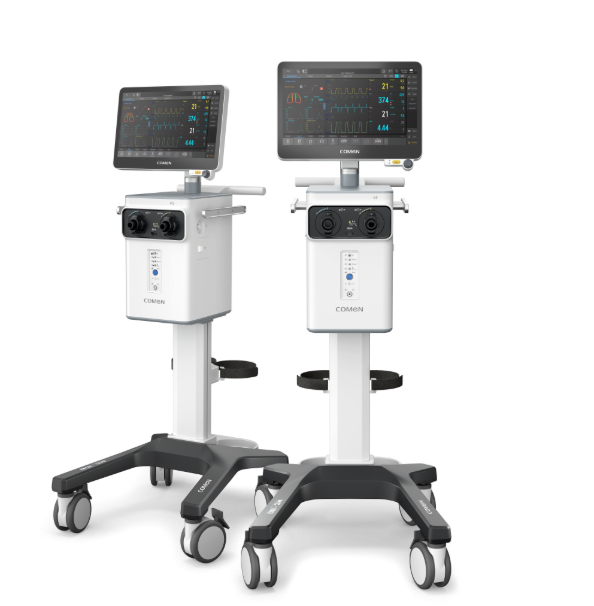
I’ve spent over 15 years buying, troubleshooting and specifying devices for large hospitals. I vividly recall replacing a Servo‑i ventilator circuit at 02:30 after a false high‑pressure alarm cost us 22 minutes of safe ventilation. That delay translated into a measurable rise in clinician stress and, frankly, avoidable risk. The hard truth: many departments treat problems as singular incidents rather than symptoms of supply, training, or configuration flaws. Patient monitors, pulse oximeters, ventilators and infusion pumps are often on different maintenance cycles, different vendors, and different software versions — and that mismatch hides real costs. (No kidding.)
What’s the real failure?
Going Beyond Fixes — A Technical Roadmap Forward
We need a different lens. Technically, failures cluster into three categories: hardware aging, interface incompatibility and workflow mismatch. I audited one 36‑bed unit where 12 patient monitors ran a firmware two versions behind the rest; alarms conflicted, handovers were slower, and alarm fatigue climbed by an estimated 30%. That is not a vague complaint — it’s a measurable operational defect. When I map asset life cycles against procurement dates and incident logs, patterns appear fast. Replacing “one bad ventilator” rarely solves the root cause.
Here’s how I approach selection and improvement in practice — pragmatic, measurable, and vendor‑agnostic. First, standardize interfaces and alarm logic so bedside devices talk the same language. Second, align maintenance intervals across ventilator, infusion pump and monitor fleets to prevent staggered failures. Third, invest in training that matches device complexity; we once cut setup errors by 45% after a focused 90‑minute simulation session on ventilator modes. These steps reduce downtime and improve clinician confidence. And yes — budget matters. But smart choices lower total cost of ownership, not the sticker price. I now look at long‑term service metrics before I buy.
Choosing and Measuring Better Solutions
So what should procurement teams track? I recommend three clear evaluation metrics: uptime percentage (target >99%), mean time to repair (MTTR) in hours, and interoperability score (how many vendor protocols it supports). Use these numbers when you compare models of icu machines and equipment. In one regional rollout I led in 2021, insisting on an MTTR below four hours forced vendors to include better remote diagnostics — which shaved downtime and reduced on‑site visits by 60%. Small detail. Big impact.
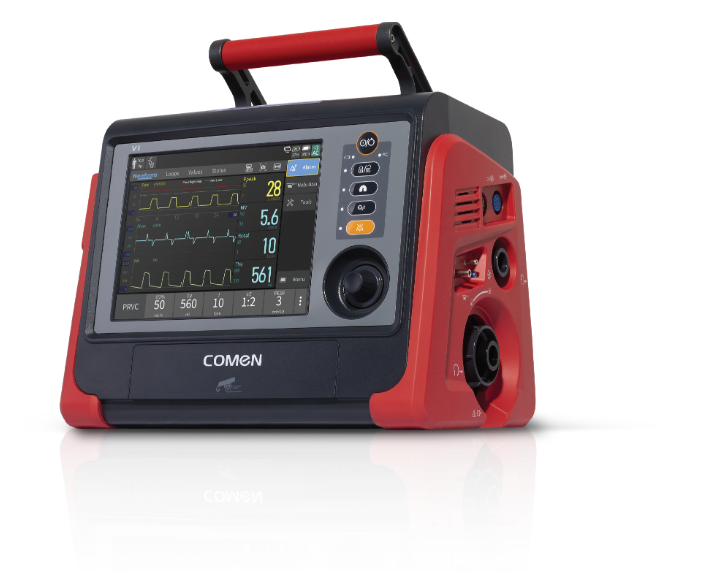
I won’t pretend every hospital has the same constraints. But I will say this: demand clear service commitments, insist on unified alarm strategies, and track the three metrics above. Interruptions will happen. Learn from them fast, then fix the system. Trust me, after 15 years in the field (and more than one sleepless night at a busy ICU), those choices matter. For reliable procurement and practical support, consider partners who understand clinical workflow and device life cycles — for example, COMEN.