
Introduction: A Quiet Puzzle
Have you ever wondered why two people can use the same device and get very different outcomes? That’s the kind of mystery I chase when I look at clinic notes and customer logs—little patterns that add up. As a writer who talks to engineers and therapists, I hear the phrase red light therapy company in nearly every conversation about device reliability and user trust. Data quietly points to one thing: small technical gaps lead to big differences in results (and yes, I’ve seen the spreadsheets). What exactly are those gaps, and how do we spot them before a treatment plan fails? Let’s peel back the layers and follow the clues to the next section.
Part 2 — Why the Usual Fixes Miss the Mark
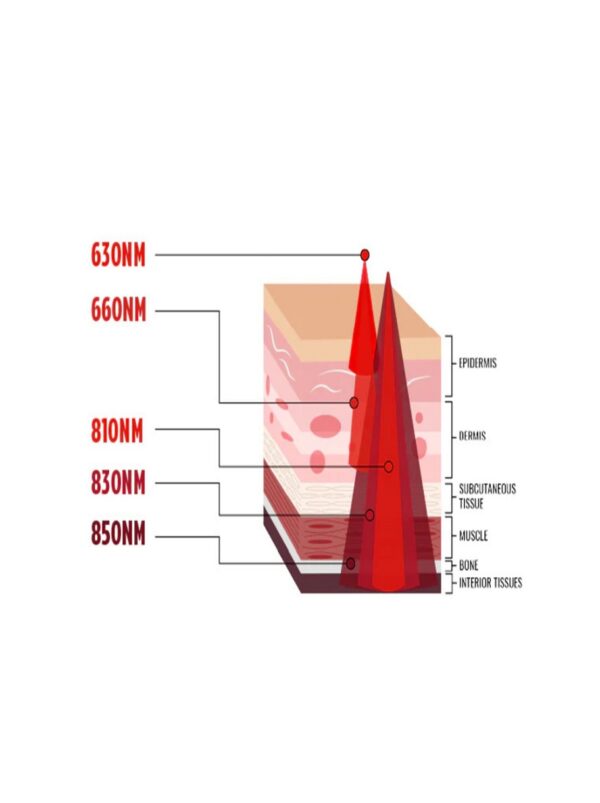
When I dig into product specs, I keep circling back to one piece of equipment: the infrared red light bed. Too often, manufacturers lean on good marketing rather than clear technical standards. They talk about comfort and session length, but gloss over true performance drivers like wavelength accuracy, irradiance uniformity, and LED array design. Those are not sexy words, but they matter. Photobiomodulation depends on consistent light delivery; if the irradiance changes across the surface or the wavelength drifts, therapy becomes guesswork. Look, it’s simpler than you think—users assume the bed is calibrated, but many aren’t.
Can a bed really be ‘uneven’ in its light?
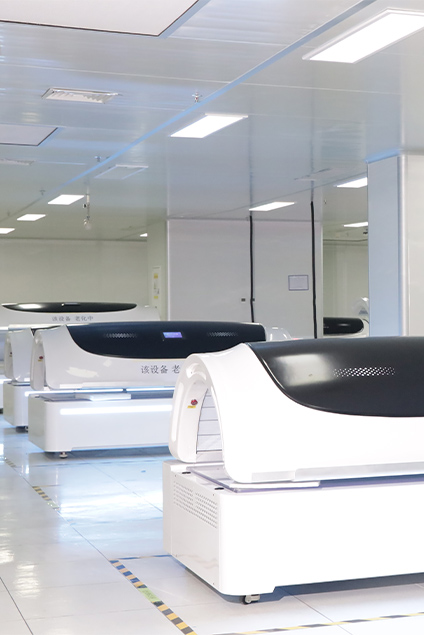
Yes. Uneven output shows up as hot spots or dim zones—spots where the dosage is higher or lower than expected. I’ve measured devices that promised uniform coverage but delivered variation upwards of 30%. That changes how cells respond and how patients report pain relief or skin tone shifts. Technicians will mention power converters and cooling fans, and plumbers of light (the engineers) will cite thermal drift—these are the hidden culprits. The obvious fixes—longer sessions or more frequent treatments—often only mask the problem rather than solve it. — funny how that works, right? In short, the traditional solutions focus on behavior (use it more) instead of hardware and dose control.
Part 3 — Moving Forward: Principles and Practice
Now, let’s look ahead. I prefer to frame this as a set of actionable improvements rather than vague promises. New design principles start with measurement: we want clear specs on wavelength bands (near-infrared vs. red), a declared irradiance at treatment distance, and a reliable LED array layout that keeps dosage predictable. An infrared red light bed that publishes those values and shows third-party testing becomes easier to compare. In one case example I reviewed, a clinic switched to beds with tighter wavelength control and saw session-to-session consistency climb—patient-reported outcomes stabilized within weeks. That’s the kind of evidence I look for when advising clinics.
What’s Next — Practical Steps and Metrics?
I’ll be blunt: vendors should publish three core metrics and clinicians should expect them. First, wavelength tolerance (how close the light stays to its target band). Second, surface irradiance mapping (a simple chart showing hot and cold spots). Third, dosage per session at a fixed distance. If you can get those numbers, you can compare products objectively. To wrap up, here are three evaluation metrics I recommend you use when choosing a system: 1) Measured irradiance uniformity across the treatment field; 2) Certified wavelength stability over time; 3) Verified dosage per minute at standard distance. These tell you what actually happens during a session — not what the brochure claims. — and yes, this matters for long-term patient trust.
I’m not selling a miracle; I’m urging a smarter checklist. When clinics and manufacturers share clear data, the results become repeatable. That’s how we stop guessing and start delivering steady outcomes. For reliable partners and clearer specs, consider how devices stack up against those metrics—and remember who’s doing the hard asking. Magique Power