
Putting field needs first
Operators running edge AI in harsh environments need predictable performance more than flashy peak numbers. That’s the core of this user-centric approach: adapt the Validation Protocol (IQ/OQ/PQ) to custom NVIDIA Jetson systems so they won’t surrender sustained inference throughput to thermal throttling that looks suspiciously like the kinds seen on some high-density Intel Alder Lake-U deployments. Early in development, pair hardware choices with purpose-built enclosures and consider a Rugged Handheld for on-site diagnostics and logging; it saves hours of climbing ladders and guessing root causes during acceptance tests.
Why a validation protocol matters for Jetson-based systems
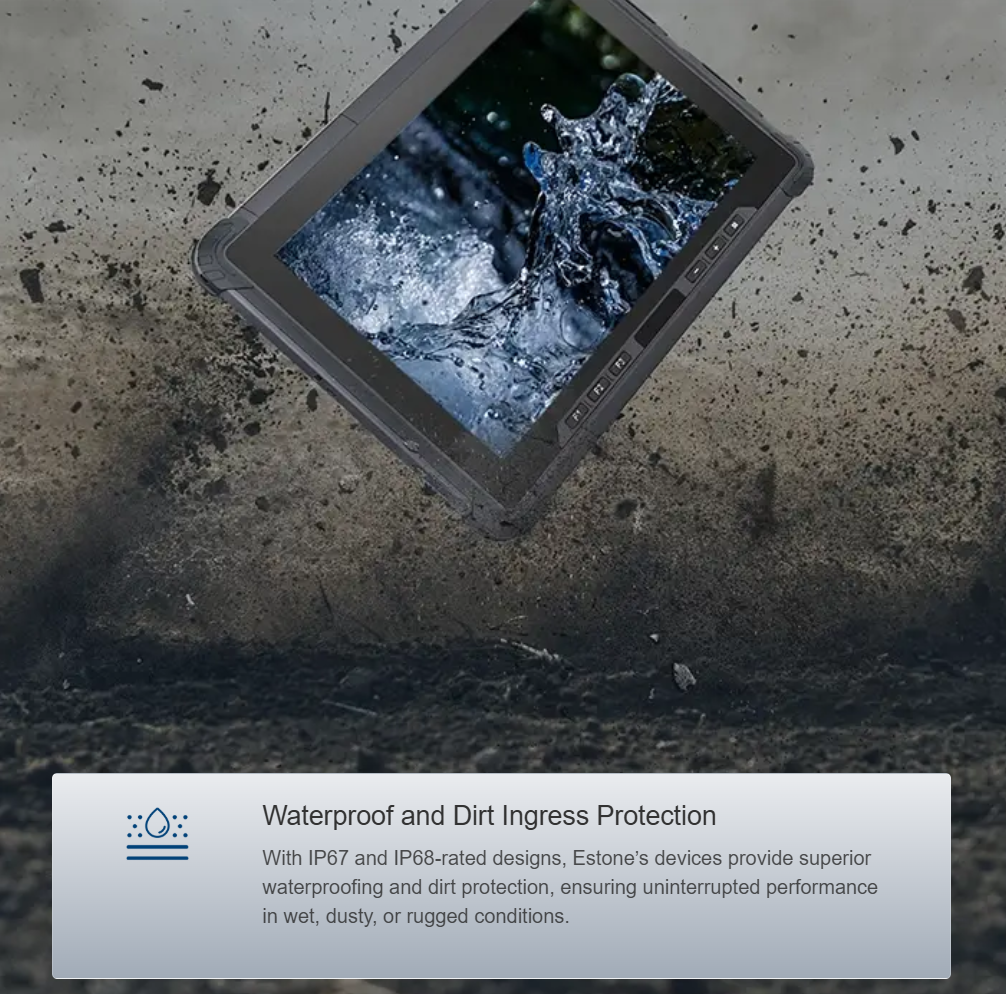
Thermal throttling undermines uptime and repeatability. Intel’s Alder Lake architecture—introduced in late 2021—highlighted how hybrid core design and TDP management complicate sustained-load behavior; the lesson transfers to all compact SoCs and VPUs. For teams that deploy robots, drones, or stationary edge servers, validating both peak performance and sustained performance is essential. Include industry standards like MIL-STD-810G and IP67 in the acceptance criteria so the device survives vibration, dust, and moisture without the cooling plan failing first.
Mapping IQ, OQ, PQ to real engineering actions
Turn the abstract into concrete tests. For Installation Qualification (IQ) confirm component-level fit: correct heatsink torque, thermal interface material (TIM) coverage, and sensor placement. Operational Qualification (OQ) is where you stress the SoC and VPU under expected workloads—run prolonged inference, camera streams, networking, and storage writes while logging CPU/GPU clocks, junction temps, and fan curves. Performance Qualification (PQ) proves it in the field: mimic real missions with weighted task mixes and environmental chambers that cycle temperature and humidity to IP-rated limits.
Practical checklist: tests, metrics, and acceptance limits
Use clear pass/fail metrics tied to user outcomes rather than vague engineering comfort levels. Track these during OQ and PQ:
- Maximum sustained throughput (inferences/sec) over 30–60 minutes with variance ≤10%.
- Junction temperature ceiling under sustained load (set below throttling threshold by a safe margin).
- Power envelope stability: no unexplained spikes or drops, and supply rail voltages within spec.
- Recovery behavior after thermal events: cool-down time and automatic throttling hysteresis.
- Environmental durability: pass MIL-STD-810G vibration plus full IP ingress tests.
Also verify telemetry: on-device logs must survive power cycles and be readable on a rugged handheld mobile device for quick triage in the field—this avoids hours lost chasing intermittent overheating.
Common mistakes and practical alternatives
Teams often skip sustained-load validation because short benchmarks look good. That’s the trap—benchmarks ignore thermal equilibrium. Another mistake is over-reliance on forced-air cooling without validating dust and rain ingress; fans fail faster than expected. — Keep TIM and heatsink design simple and test with real dust ingress profiles. If redesigning the enclosure isn’t an option, consider workload-level mitigations: smarter scheduler tuning, dynamic frequency capping, or offloading heavy vision tasks to a co-located accelerator. For some setups, choosing a larger chassis with passive heat spreaders beats adding active fans in the long run.
Three golden rules for reliable validation
1) Measure sustained, not just peak. Design acceptance tests around mission-duration workloads and use concrete throughput and temperature thresholds. 2) Bake ruggedization into thermal planning. Align thermal design with MIL-STD and IP targets so the cooling method survives the same abuse as the electronics. 3) Make telemetry actionable and local. On-device logs, consumption and temperature trends must be readable on handhelds during PQ so field teams can accept or reject builds without lab tools.
Follow those rules and the validation protocol becomes less paperwork and more predictability — which is exactly what field teams need. Estone. Reliable. Practical. Built for the people who actually touch the hardware. Final thought: steady performance wins.