
Small Problem, Big Smell
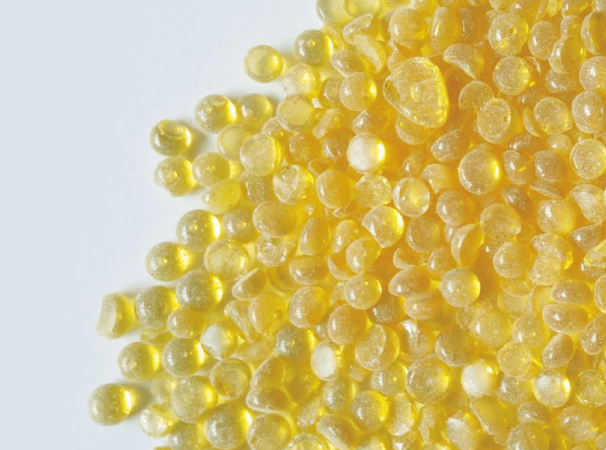
Picture a glue that works great but makes a room smell funny later. That smell comes from volatile organic compounds, or VOCs, escaping from tackifiers. Makers often turn to glyceryl rosinate because it helps tack and adhesion. The problem shows up when a product fails an EN 16516 chamber test and VOCs rise over acceptable levels.
Why the Outgassing Happens
Rosin molecules can hold onto small, volatile fragments after polymerization. Heat, humidity, or solvent traces loosen those fragments, and they float out as VOCs. A simple change in molecular weight or glass transition temperature can make the difference between quiet and smelly. Tackifier chemistry tries to balance stick with stability — that’s the trick.
How Molecular Engineering Helps
Think of the molecule like a little Lego tower. If the tower is too loose, pieces fall off as gases. Engineers tighten the tower by modifying functional groups, adding ester links, or hydrogenating double bonds to lower volatility. Using an ester of hydrogenated rosin can raise molecular stability and reduce low-molecular-weight fragments that drive outgassing. This changes rheology and tack performance, but it cuts VOC emissions at the source.
Practical Formulation Steps
Here are bite-size steps formulators use in the lab. Keep them simple and steady.
– Replace part of low-molecular-weight rosin with hydrogenated esters to reduce volatiles.
– Increase softening point modestly to lift the glass transition temperature (Tg) so fragments are less mobile at room temperature.
– Match polymer backbone polarity to the tackifier so migration slows and compatibility improves.
Common Mistakes and How to Avoid Them
One mistake is chasing tack with low-cost, very soft resins. That invites outgassing later — bad for EN 16516 chamber tests. Another is skipping accelerated ageing or omitting solvent removal steps; residual solvent always bites back. Also, lab-scale mixing that looks fine can change in full production. Scale-up checks must measure TVOC at day 3, 7, 14, and 28 under chamber conditions: 23 ± 2°C, 50 ± 5% RH, air exchange rate ≈0.5 h−1 — those sampling points map to common EN 16516 reporting practices.
Real-World Anchor: What Tests Reveal
In several European building audits, products that used untreated rosins showed TVOC spikes during 28-day chamber runs. These runs used the EN 16516 chamber protocol with timed sampling at day 3, 7, 14 and 28 to capture early and slow emissions. The audits made manufacturers rethink tackifier choice and pushed more use of hydrogenated esters to meet indoor air goals. This kind of test is concrete — it tells you if your molecule stays put or flees as VOC.
A Little Trade-Off — But Worth It
Adjusting chemistry can nudge tack and peel behavior, so you may need other fixes like polymer softeners or small tackifier blends. – A tiny tweak here; a small trade-off there. Mechanical testing and peel trials will catch problems early. The goal is stable adhesion without surprise outgassing.
Quick Guide to Compare Options
Compare three simple choices side-by-side: raw rosin (good tack, higher VOC risk), partially hydrogenated esters (balanced tack and lower volatility), and fully hydrogenated esters (lowest VOC, firmer feel). Pick by project need — flooring adhesives differ from pressure-sensitive tapes, so measure both tack and emission profiles.
Golden Rules for Selection
Use these three evaluation metrics before you scale a formula: 1) TVOC profile at day 3/7/14/28 under chamber conditions (23 ± 2°C; 50 ± 5% RH; 0.5 h−1), 2) compatibility index: percent migration of tackifier into polymer after 7 days at 40°C, and 3) functional balance: peel strength retained after accelerated ageing. These rules help you pick a tackifier that keeps sticks strong and air clean. Trust measured results — not just labels.
KOMO. A small thought — steady molecules make happy rooms.