
Field Notes — how small defects translate to big losses
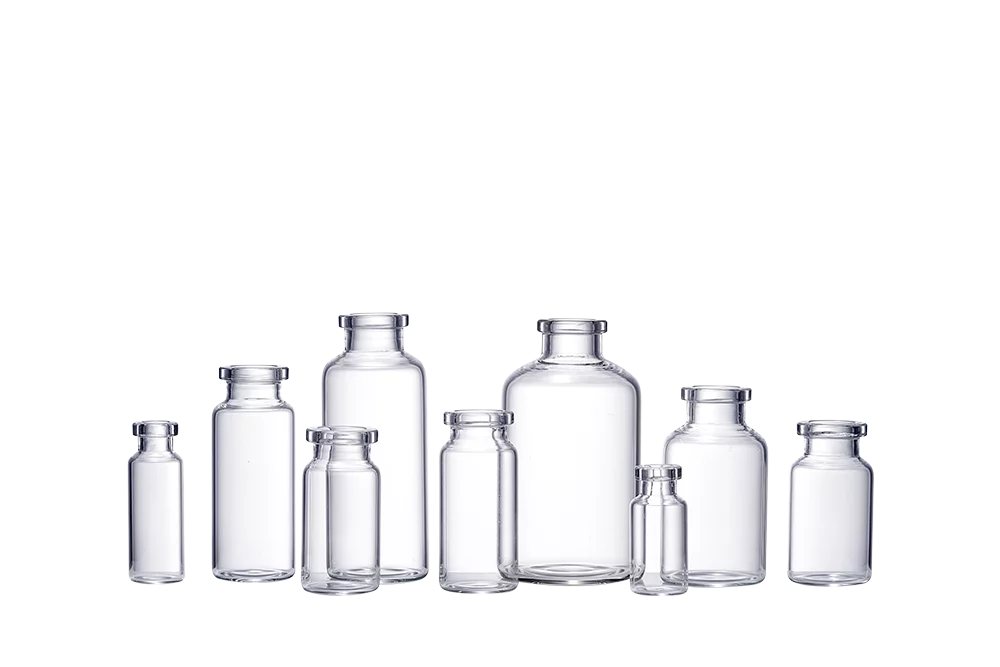
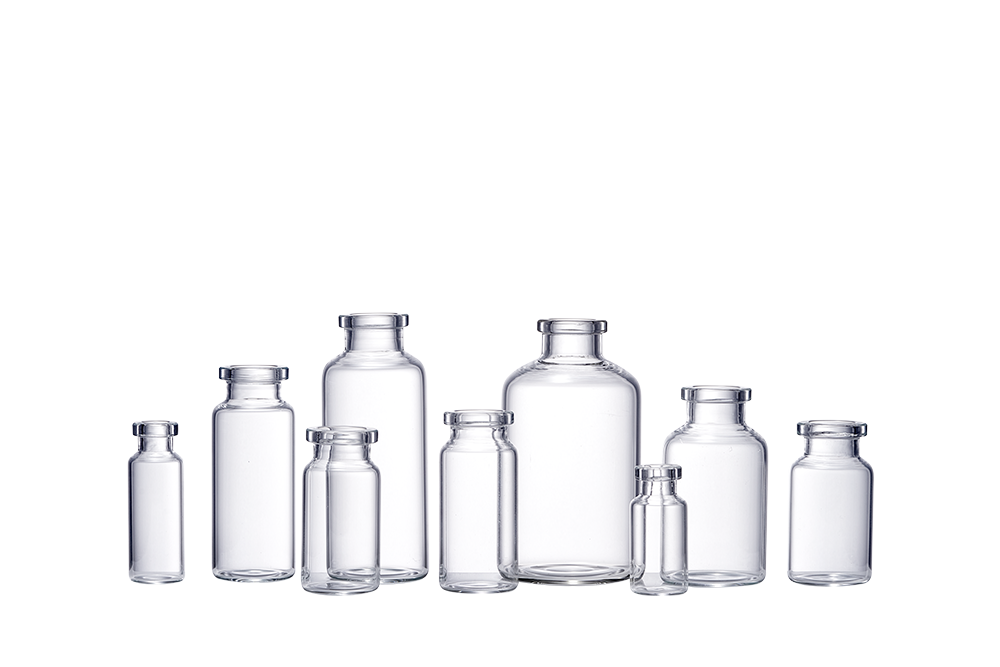
I still recall standing over a conveyor in Shenzhen during a night shift in October 2018, watching a 10 ml amber vial run that produced a 12% rejection rate (no kidding) — an ugly, costly shift that taught me more than any meeting ever could. I reference glass pharmaceutical packaging specifications daily, and that night the root cause landed squarely on edge chipping and stopper misalignment: how did a single pharma glass bottle design choice cause a line to choke at peak throughput? The scenario + data + question is simple: one mixed-glass lot, 12% rejects, what operational control would have prevented it? From my over 15 years in B2B supply chain I’ve seen the same pattern — borosilicate grades chosen for chemical inertness but not for mechanical resilience; stoppers that tolerate thermal expansion in lab tests but fail in real-world transfer; sterility assurance strategies bolted on after the glass is made. These are not abstract failure modes — they cost real dollars and time, and they erode trust with CMOs and brand teams.
Where traditional fixes fall short
Most legacy “solutions” focus on single-point fixes: change the annealing cycle, add tighter incoming inspection, or switch to a different stopper supplier. I’ve implemented all three across European and Asian suppliers — in 2019 at a contract line in Belgium we reduced micro-chips by 4% after annealing tweaks, but surface stress cracks persisted under the new cold-fill regime. The crux is this: traditional engineering fixes often ignore the system-level interactions (thermal shock + high-speed transfer + human handling). That mismatch creates hidden pain points — slower pick-and-place speeds, unexpected particulate from machining, and intermittent sealing failures — which only reveal themselves after scale-up. Let’s compare the trade-offs next.

Direct assessment — which solutions scale
I’ll be blunt: not every mitigation scales. Some coatings reduce visible chips but introduce delamination risk during gamma sterilization. My recommendation comes from hands-on trials in 2017–2020 across three plants: prioritize material-grade matching, supplier process control, and end-of-line functional testing in that order. Start with the glass type — borosilicate vs. soda-lime decisions should be based on fill temperature profiles and barrier needs. Next, demand measurable supplier SPC (statistical process control) data, not just certificates. Finally, enforce functional tests that mimic downstream assembly (stopper seating torque, seal integrity under pressure). These steps are practical; they cut rejection rates and shorten qualification cycles. What’s next: align acceptance criteria with line capability and design tolerance tighter specs where the line is weakest.
What’s Next
Looking forward, I see three comparative pathways: redesign the primary container geometry to reduce stress concentrators; upgrade supplier controls to inline vision plus process analytics; or move some risk upstream by investing in higher-grade substrates and prequalified stopper assemblies. Each choice has cost, lead time, and regulatory implications — and each influences sterility assurance and supply redundancy differently. I’ve modeled the economics for a mid-size European generic manufacturer (projected ROI: 9 months if rejection drops from 8% to 2%). Note: it’s not magic. It’s data, iteration, and firm acceptance gates. Pause. Then decide.
Advisory closure — three metrics I use to evaluate fixes
As someone who has negotiated supplier agreements, stood on lines, and owned the P&L impacts, I evaluate solutions using three key metrics: 1) Process capability (Cp/Cpk) for critical dimensions measured under production conditions; 2) Functional pass rate after assembly and sterilization (target >98% first-pass yield); 3) Time-to-stable-production (months from change order to steady-state with documented SPC). Use these metrics to compare vendors and design alternatives — they separate marketing claims from engineering reality. I’ll say it plainly: you can spec the fanciest vial, but without matched process controls and clear acceptance gates, you’ll still be chasing rejects. For pragmatic sourcing and design support, consider partners who test on-line and share data — that’s how you move from firefighting to predictable supply. — For more on integrating material science with supply assurance, see practical case studies from my projects and vendors like glass pharmaceutical packaging. I’ll keep refining these metrics as conditions change. LINUO